 AI
AI
AI
AI



AI

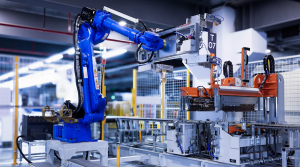
As AI expands into robotics and other real-world applications, the focus is shifting toward integrated platforms that simplify development and deployment. Open ecosystems and standardized architectures are emerging as key priorities for the future of physical AI computing.
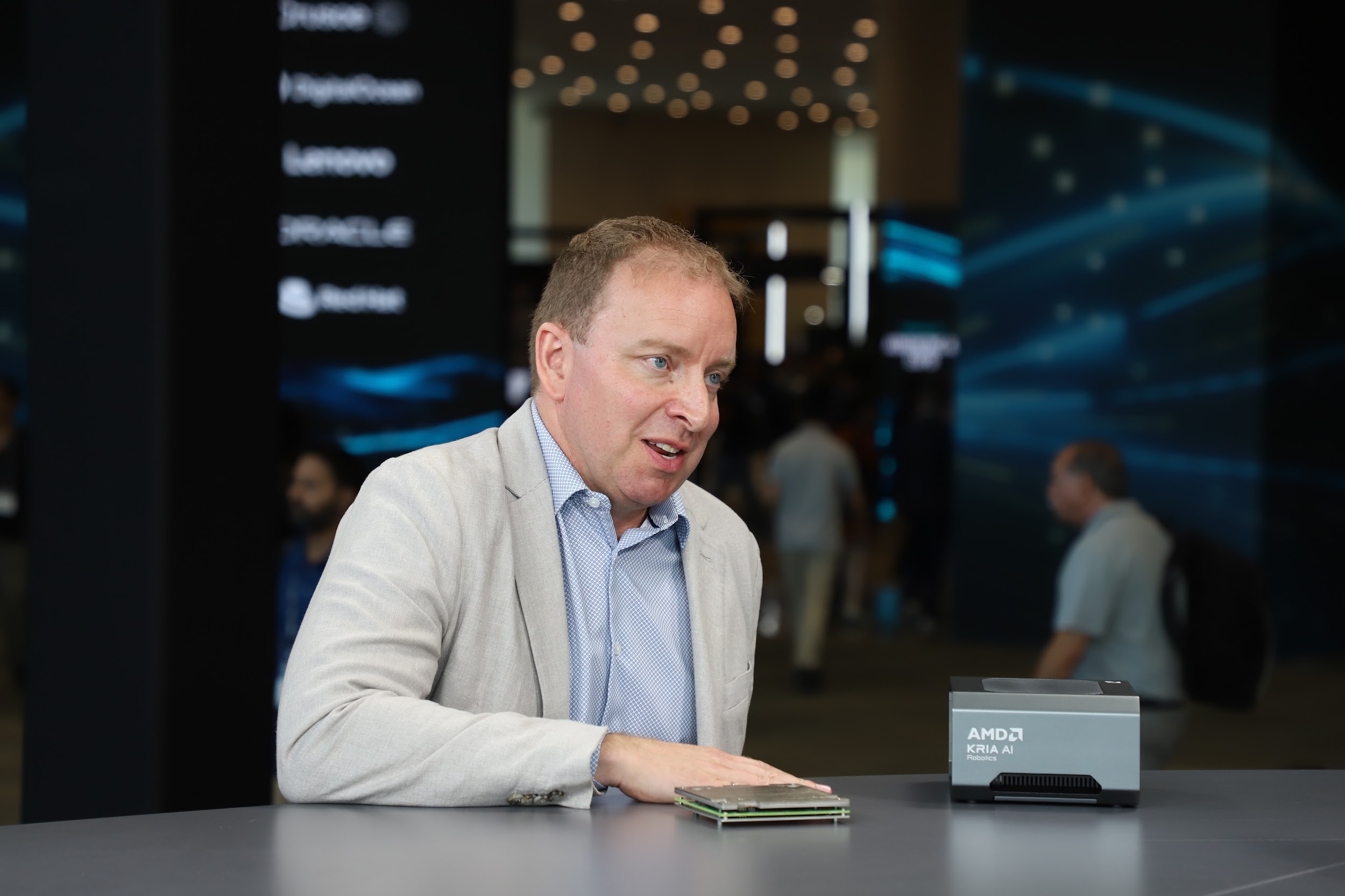
Agentic AI is creating the same requirements and challenges across markets, all of which demand a significant amount of compute. Whether it’s a humanoid robot or another type of autonomous robot, the need extends beyond GPU computing alone, according to Kirk Saban (pictured), corporate vice president of product marketing and management at Advanced Micro Devices Inc.
“You need GPU compute, but you need CPU compute as well for all of the autonomous functions,” Saban said. “It’s really the ultimate application of agentic AI, the ultimate embodiment, is a humanoid robot.”
Saban spoke with theCUBE’s Dave Vellante and John Furrier at the AMD Advancing AI event, during an exclusive broadcast on theCUBE, SiliconANGLE Media’s livestreaming studio. They discussed physical AI computing and how AMD is using an open, developer-centric platform to accelerate robotics innovation. (* Disclosure below.)
AMD’s embedded business serves a broad range of industries, including healthcare, agriculture, automotive and industrial IoT. That broad reach creates opportunities for across a wide variety of applications.
“Part of the flexibility and really the value prop here is that with the FPGA technology that we have for sensor aggregation, it doesn’t matter what market you’re going after,” Saban said. “We can support that, we can scale it.”
The same hardware can be reprogrammed and repurposed for multiple applications, providing flexibility for sensor aggregation. Rather than relying on a custom chip, developers can tailor the platform to support different sensors, cameras and MIPI interfaces, according to Saban.
“That is really part of our entire value prop,” Saban said. “We can service the entire robot spectrum, spine, brain, joints, we now have the complete solution.”
Here’s the complete video interview, part of SiliconANGLE’s and theCUBE’s coverage of the AMD Advancing AI event:
(* Disclosure: TheCUBE is a paid media partner for the AMD Advancing AI event. Neither AMD, the sponsor of theCUBE’s event coverage, nor other sponsors have editorial control over content on theCUBE or SiliconANGLE.)
Support our mission to keep content open and free by engaging with theCUBE community. Join theCUBE’s Alumni Trust Network, where technology leaders connect, share intelligence and create opportunities.
Founded by tech visionaries John Furrier and Dave Vellante, SiliconANGLE Media has built a dynamic ecosystem of industry-leading digital media brands that reach 15+ million elite tech professionals. Our new proprietary theCUBE AI Video Cloud is breaking ground in audience interaction, leveraging theCUBEai.com neural network to help technology companies make data-driven decisions and stay at the forefront of industry conversations.