 INFRA
INFRA
INFRA
INFRA



INFRA

Enterprise infrastructure strategy is being rewritten around the private AI cloud, as security exposure, spiking hardware prices and rising token costs push artificial intelligence workloads back inside the data center. What started as a virtualization refresh has become the main event for on-premises computing.
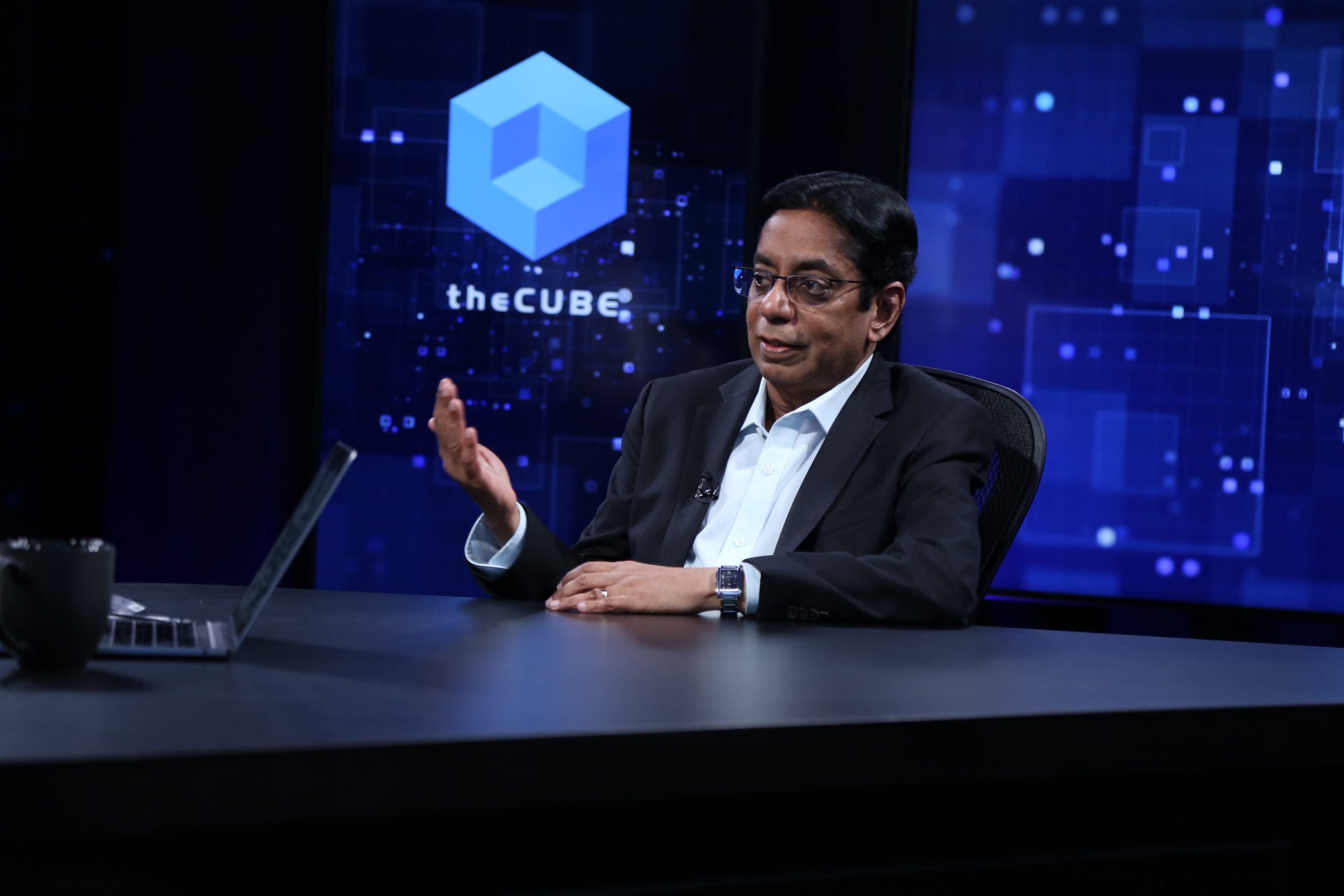
That shift has put platform consolidation at the center of enterprise buying decisions, a theme running through this year’s VMware Explore. Broadcom Inc. has spent three years folding VMware’s accumulated products into a single stack, and customers ranging from small businesses to United Airlines, Audi and the London Stock Exchange are now running on it, according to Krish Prasad (pictured), senior vice president and general manager of the VMware Cloud Foundation Division at Broadcom.
“We have taken the goodness that people see in the public cloud, which is the developer experience, the agility, and we have combined that with the things people like in the private infrastructure, which is security, which is cost controls, the resiliency,” he said. “The combination is what VCF is all about, and that’s why customers are very interested in deploying it.”
Prasad spoke with theCUBE’s John Furrier at VMware Explore 2026, during an exclusive broadcast on theCUBE, SiliconANGLE Media’s livestreaming studio. They discussed platform consolidation, memory economics, sovereignty and the security demands of frontier models. (* Disclosure below.)
Three forces are converging on enterprise infrastructure teams at once. Frontier models have raised the stakes on hardening, server prices driven by dynamic random-access memory are climbing, and companies want to keep intellectual property away from external models, according to Prasad.
“Customers are concerned about the token cost in the cloud. They are also concerned about IP protection, going to these external models and exposing their IP and data,” he said. “So they are bringing the AI workloads back on-prem where they can keep it closer to their data and protect their IP.”
Security is the first line of defense in that move, and Broadcom has been updating VMware’s platform for AI-era threats. The company had early access to frontier models through the Project Glasswing and turned that head start inward, Prasad noted.
“We really have built Mythos-like frontier models into our software development lifecycle, so our infrastructure is pretty hardened by the time customers get it,” he said. “We have done some innovations in our core platform, things like live patching … where customers can patch their environment while the workload is running without disrupting the workload.”
Cost is the second lever. Memory tiering, shipped a year before the DRAM squeeze, cuts application memory requirements by about half by tiering to NVMe storage, while VCF 9.1 extends the AI stack across more than 150 models, AMD and Nvidia Corp. accelerators and any original equipment manufacturer server. For Prasad, that convergence defines the company’s next private AI cloud bet.
“The whole focus now is around making VCF the best place for running the workloads. That’s where our customers are focused,” he said. “Everything that goes around AI, the security, the runtime, the models, and all of that. So that’s the big bet we are making, and we are doubling down on it.”
Here’s the complete video interview, part of SiliconANGLE’s and theCUBE’s coverage of VMware Explore 2026:
(* Disclosure: TheCUBE is a paid media partner for the VMware Explore 2026 event. Neither Broadcom, the sponsor of theCUBE’s event coverage, nor other sponsors have editorial control over content on theCUBE or SiliconANGLE.)
Support our mission to keep content open and free by engaging with theCUBE community. Join theCUBE’s Alumni Trust Network, where technology leaders connect, share intelligence and create opportunities.
Founded by tech visionaries John Furrier and Dave Vellante, SiliconANGLE Media has built a dynamic ecosystem of industry-leading digital media brands that reach 15+ million elite tech professionals. Our new proprietary theCUBE AI Video Cloud is breaking ground in audience interaction, leveraging theCUBEai.com neural network to help technology companies make data-driven decisions and stay at the forefront of industry conversations.