 AI
AI
AI
AI



AI

As enterprises move from debating artificial intelligence adoption to deploying it, AI governance has become the harder question. Autonomous agents now run around the clock across a sprawl of platforms, and controls built for deterministic software were never designed for them.
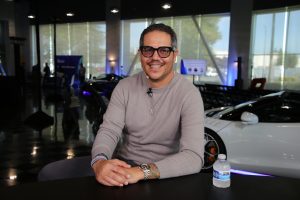
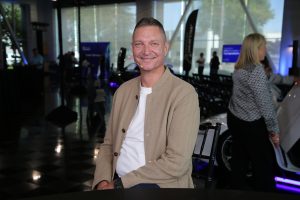
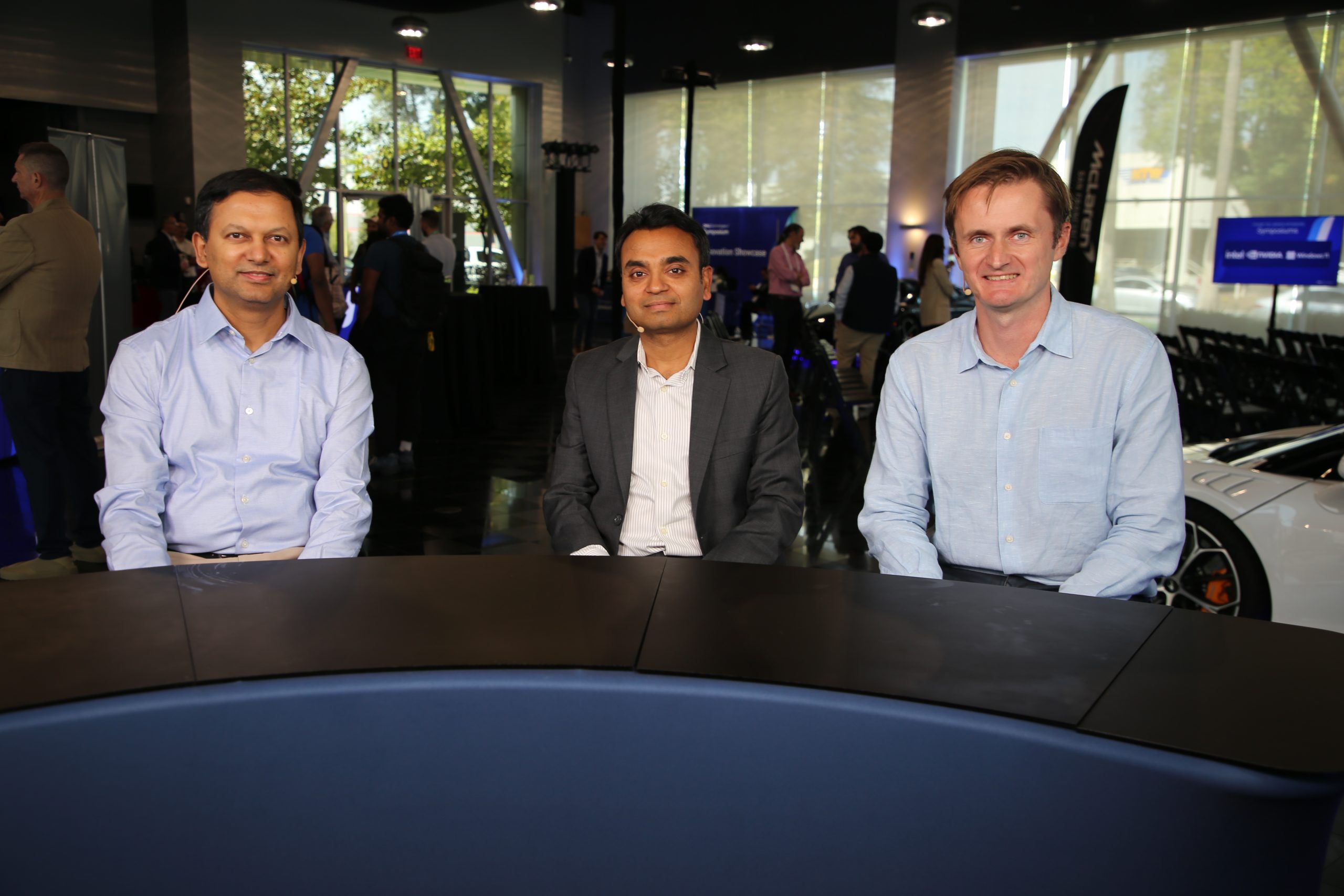
At Dell Technologies Inc.’s “AI Leadership Symposium,” cost and control were recurring themes in enterprise AI discussions. The challenge is rationalizing overlapping controls and confirming that they work in practice, according to Shiv Agarwal (pictured, center), co-founder and chief executive officer of Singulr AI Inc.
“Someone needs to really do some rationalization between the enterprise intent and the actual runtime state,” he said. “Governance is becoming very important, but it’s becoming hard as well in this world, just the pace at which the AI is getting adopted.”
Agarwal, Sri Viswanath (left), founder and chief executive officer of Sycamore Labs Inc. and Victor Jakubiuk (right), co-founder of MisaLabs Inc., spoke with theCUBE Research’s John Furrier at the Dell “AI Leadership Symposium,” during an exclusive broadcast on theCUBE, SiliconANGLE Media’s livestreaming studio. They discussed runtime AI governance, enterprise data controls and balancing standardization with rapid innovation. (* Disclosure below.)
Defining what an agent is allowed to do is only part of the governance challenge. Enterprises also need to assess its behavior during execution, Agarwal explained. Singulr has extended its agent governance to local AI tools on employee endpoints.
“[It’s] as simple as an action where it reaches out to the internet to get some data or sends out an email to a private account or something,” he said. “That could be deeply hidden inside an agentic action.”
Some customers are responding by narrowing where agents can operate. Chief information officers want agents and large language model calls kept within their virtual private clouds, according to Viswanath.
“They’re also trying to architect in a way that all of the data stays there,” he said. “They don’t trust sending it outside because then we don’t know where it goes.”
Agarwal called for greater standardization across AI governance frameworks, including the European Union’s AI Act. Jakubiuk emphasized the need to keep pace with rapidly evolving AI capabilities.
“AI has no limit to the speed of development, speed of progress,” Jakubiuk said. “As an enterprise, as that AI lead, you want to be able to take the latest and greatest and stay on top.”
Here’s the complete video interview, part of SiliconANGLE’s and theCUBE’s coverage of Dell’s “AI Leadership Symposium”:
(* Disclosure: TheCUBE is a paid media partner for Dell’s “AI Leadership Symposium.” Neither Dell, the sponsor of theCUBE’s event coverage, nor other sponsors have editorial control over content on theCUBE or SiliconANGLE.)
Support our mission to keep content open and free by engaging with theCUBE community. Join theCUBE’s Alumni Trust Network, where technology leaders connect, share intelligence and create opportunities.
Founded by tech visionaries John Furrier and Dave Vellante, SiliconANGLE Media has built a dynamic ecosystem of industry-leading digital media brands that reach 15+ million elite tech professionals. Our new proprietary theCUBE AI Video Cloud is breaking ground in audience interaction, leveraging theCUBEai.com neural network to help technology companies make data-driven decisions and stay at the forefront of industry conversations.