 AI
AI



AI

Humanitarian groups working in conflict zones are finding that agentic AI can shorten the research cycle between a crisis and an informed response.
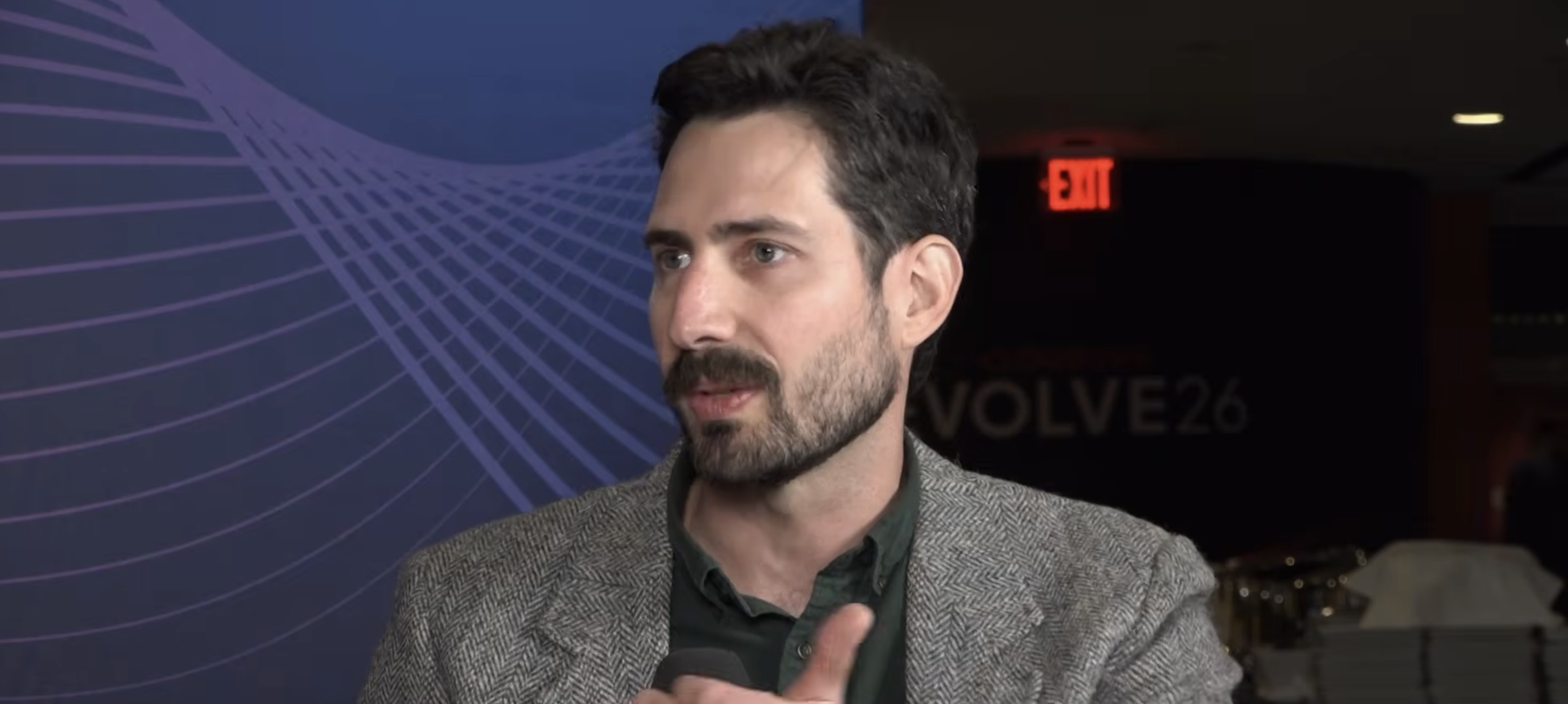
Cloudera Inc. has built its AI strategy around deployment flexibility, and one nonprofit partner is testing that approach on the front lines. But the aim is to give analysts a faster starting point, not to automate research, according to Aaron Eubank (pictured), director of data science at Prosper Global, formerly Mercy Corps.
“It’s not the final report that’s going to be pushed out to the humanitarian community and teams, but rather a starting point that analysts can use to continue to iterate on their own research,” Eubank said. “We want to keep the agency in the hands of the researchers themselves.”
Eubank spoke with theCUBE’s Rebecca Knight and Paul Gillin at EVOLVE26, during an exclusive broadcast on theCUBE, SiliconANGLE Media’s livestreaming studio. They discussed how multi-agent AI is accelerating humanitarian research, VERA’s early results in conflict zones and the importance of keeping researchers in control. (* Disclosure below.)
Prosper Global works in about 30 countries with communities facing conflict, climate change and economic hardship. Its crisis analysts’ research could take days to weeks, so the organization built VERA with Cloudera, a multi-agent research engine that uses Cloudera AI Studios, runs on Amazon Web Services Inc. and taps models from Anthropic PBC. Agents pull from sources such as ReliefWeb, conflict tracker ACLED and local news, and a final agent assembles the findings, Eubank explained.
“Agents allow us to really kind of tailor the process for how this research is done,” Eubank said. “Then it will allow us to then add further resources in the future and really have a curated research process that we wouldn’t have had with some of the earlier iterations of generative AI.”
In Sudan, VERA cut desk research for an agricultural report from five or six days to two, saving about $1,500, Eubank noted. In Colombia, an employee with no security background produced an election security report in a few hours. VERA, launched in June, also runs in the Democratic Republic of Congo and Ukraine.
“The risks and the contexts are different in each place that we work,” Eubank said. “It’s important to really take a measured and slow approach as we go through that.”
Here’s the complete video interview, part of SiliconANGLE’s and theCUBE’s coverage of EVOLVE26:
(* Disclosure: TheCUBE is a paid media partner for the EVOLVE26 2026 event. Neither Cloudera, the sponsor of theCUBE’s event coverage, nor other sponsors have editorial control over content on theCUBE or SiliconANGLE.)
Support our mission to keep content open and free by engaging with theCUBE community. Join theCUBE’s Alumni Trust Network, where technology leaders connect, share intelligence and create opportunities.
Founded by tech visionaries John Furrier and Dave Vellante, SiliconANGLE Media has built a dynamic ecosystem of industry-leading digital media brands that reach 15+ million elite tech professionals. Our new proprietary theCUBE AI Video Cloud is breaking ground in audience interaction, leveraging theCUBEai.com neural network to help technology companies make data-driven decisions and stay at the forefront of industry conversations.