

AI operations are moving out of the slide deck and into the platform itself. Hiring freezes and smaller teams are colliding with growing workloads, so enterprises now expect the infrastructure layer to investigate, plan and help fix problems.
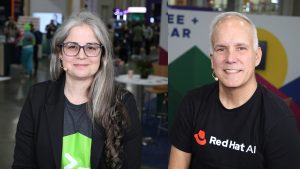
Kubernetes platforms are among the first places that shift is landing. Red Hat Inc. launched OpenShift 5 this week, the platform’s first major version in seven years, with Model Context Protocol servers, guardrails and agent skills built into the stack. Customers’ expectations of the platform have changed enough to justify a new version number, according to Mike Barrett (pictured, left), vice president and general manager of hybrid platforms at Red Hat.
“We started putting in guardrails. We started putting in agent skills, and now you can really have an agentic experience with the platform,” Barrett said. “The platform itself can actually do things for you. It can notice what’s running.”
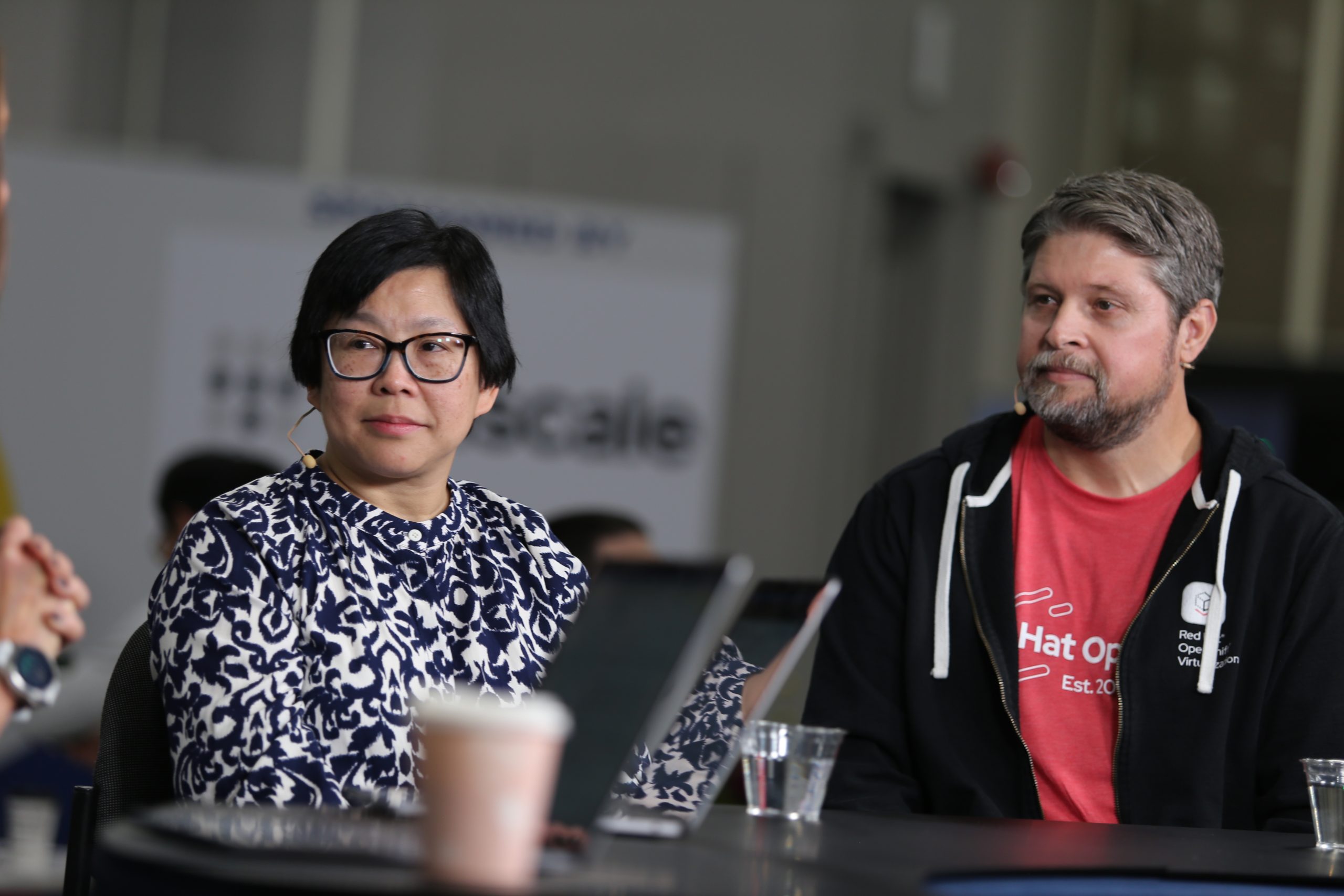
Barrett and Ju Lim (pictured, right), senior manager of product management at Red Hat, spoke with theCUBE’s John Furrier and Rebecca Knight at KubeCon + CloudNativeCon NA, during an exclusive broadcast on theCUBE, SiliconANGLE Media’s livestreaming studio. They discussed how OpenShift 5 builds AI into upgrades, troubleshooting and day-to-day operations. (* Disclosure below.)
On paper, upgrades look like routine, predictable work. In practice, a single cluster can run hundreds of applications, each with its own dependencies, release notes and Kubernetes version requirements. OpenShift 5 uses AI to sort through all of that and produce an upgrade plan, Barrett explained.
“We have customers that sometimes plan this out in weeks and months,” Lim said. “Now, through what Mike was just saying, we have a way where, through a single click, you can actually generate an AI plan that actually does all that risk analysis and assessment for you.”
Troubleshooting gets the same treatment. OpenShift 5 pulls in telemetry, logs and Kubernetes resource metadata to investigate problems and suggest fixes, according to Lim. Every action is opt-in, and a human operator stays in control. Fully autonomous troubleshooting and agentic updates remain in technology preview, according to Virtualization Review. Red Hat’s own site reliability engineering team offers an early test case.
“We run OpenShift as a managed service, and they’re seeing anywhere between an 8x and 10x time improvement to find the root cause of issues,” Barrett said.
Security is adding urgency. A surge of software vulnerabilities and exploits has cut the time between disclosure and attack from days to hours, according to Barrett. Customers want help moving older applications faster, and running existing virtual machines in Kubernetes clusters is part of Red Hat’s answer.
“We felt that really emphasized a number change,” Barrett said. “How people want to work with the platform is completely different now, and so we needed a major number.”
(* Disclosure: Red Hat Inc. sponsored this segment of theCUBE. Neither Red Hat Inc. nor other sponsors have editorial control over content on theCUBE or SiliconANGLE.)
Support our mission to keep content open and free by engaging with theCUBE community. Join theCUBE’s Alumni Trust Network, where technology leaders connect, share intelligence and create opportunities.
Founded by tech visionaries John Furrier and Dave Vellante, SiliconANGLE Media has built a dynamic ecosystem of industry-leading digital media brands that reach 15+ million elite tech professionals. Our new proprietary theCUBE AI Video Cloud is breaking ground in audience interaction, leveraging theCUBEai.com neural network to help technology companies make data-driven decisions and stay at the forefront of industry conversations.