











 As Microsoft prepares to unleash Windows 8 onto the world, promising some of the most radical changes the software has ever seen, SiliconANGLE takes a look back at how the world’s most popular operating system has evolved since its inception almost 27 years ago.
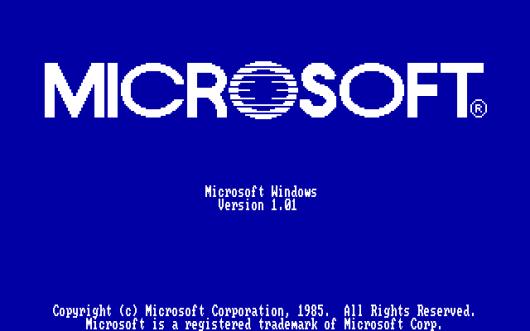
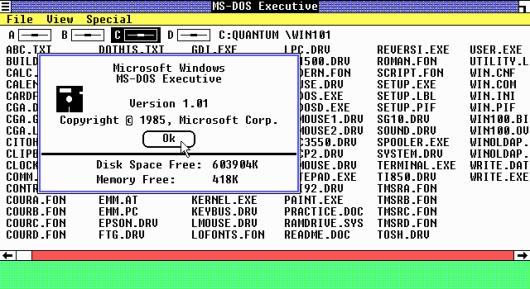
1985: Windows 1.0
The first iteration of Windows actually dates back to 1981, when a computer scientist named Chase Bishop first outlined the software’s design, naming the project “Interface Manager”. Microsoft announced the software to the world in 1983, but it wasn’t until two years later that it was finally released.
The shell of Windows’ earliest incarnation was based on Microsoft’s MS-DOS OS, which relied on typed commands only. Windows 1.0 featured such innovations as ‘icons’ and ‘scroll bars’, while its programs included a Calendar, Clock, Control Panel, Notepad and Paint. But despite being billed by advertisers as “a leap into the future”, Windows failed to achieve the instant success that its designers had hoped for.
1990: Windows 3.0 and 3.1
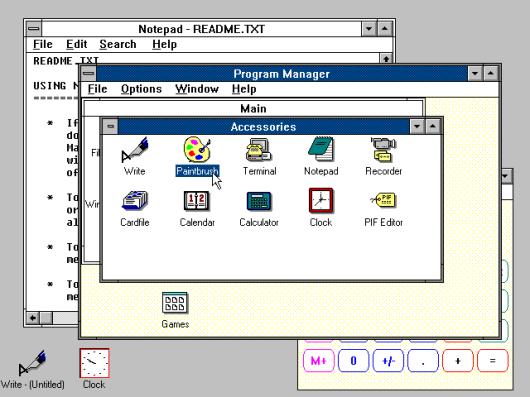
The early 1990’s saw some big improvements with Window’s design, thanks to the innovation of loadable virtual device drivers and virtual memory, which meant that arbitrary devices could be shared between multitasked DOS Windows.
Other improvements meant that applications could now be run in protected mode, making several megabytes of memory available and removing the need to participate in the virtual memory scheme. Even so, Windows 3.0 and 3.1’s new enhancements were not enough to win over the majority of consumers at a time when the Commodore 64 remained the world’s most popular desktop computer.
1995: Windows 95
Released in August 1995 to the sound of “Start Me Up” by the Rolling Stones, the Windows 95 operating system proved itself to be Microsoft’s first runaway success, selling a stunning seven million copies within five weeks of its launch.
Numerous features that first arrived with Windows 95 have since become an integral part of the Windows experience, surviving and thriving till this day – among them were the Start button, the Taskbar, and the ability to maximize and minimize windows and applications. In addition, Windows 95 did away with the need for MS-DOS to be pre-installed.

2000: Windows 2000
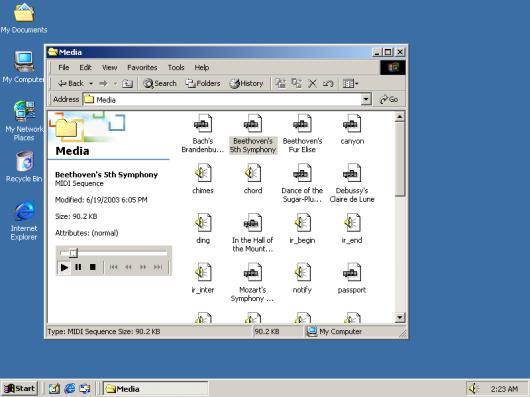
Building on its predecessor’s runaway success, Windows 2000 was originally conceived as a business-orientated upgrade, only to end up landing on many home computers anyway.
Windows 2000 was the first OS from Microsoft designed to receive regular patches, or security updates, which could be downloaded over the internet. Other features of the new software included support for a range of new wireless and plug and play apparatus, such as USB and infrared devices. In addition, Windows 2000 came with limited mobile computing support, and featured improved internet compatibility.
2006: Windows Vista
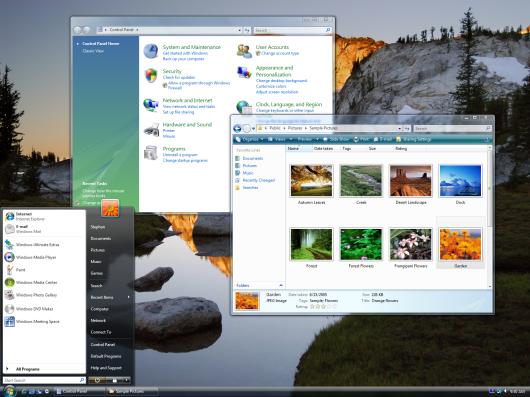
Microsoft didn’t always get things right. Some of its earlier operating systems took an awful lot of flak for their instability and ‘bugginess’, for example the infamous Windows Millennium Edition, released in the same year as Windows 2000.
However, the worst abuse was reserved for Windows Vista, which, despite being released five years after the immensely popular Windows XP, failed miserably in its attempts to improve on that platform. Vista was lambasted from all sides, with its high system requirements, the inclusion of new digital rights management, its restrictive licensing terms, and the lack of compatibility with older software and hardware all the target of heavy criticism.
2012: Windows 8
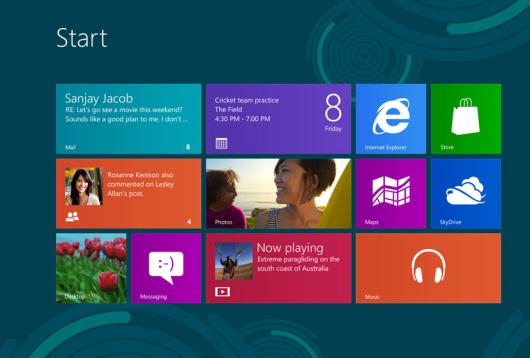
The run up to Windows 8’s launch has generated a huge amount of buzz, with the operating system set to undergo its most radical facelift to date. The new interface might be familiar to a few Windows 8 phone users out there, but for the vast majority of users it remains almost an enigma.
What Microsoft is attempting to do is bridge the gap between PCs and mobile devices, which up until now have offered a very different user experience with their touchscreen-based operating systems. Microsoft has kept many of Windows 8’s new features tightly under wraps, so we can’t say for sure how different the new OS will feel, but we’re fairly sure of some big differences – the most apparent of which will be the lack of a Start button and menu for the first time since 1995.
Support our mission to keep content open and free by engaging with theCUBE community. Join theCUBE’s Alumni Trust Network, where technology leaders connect, share intelligence and create opportunities.
Founded by tech visionaries John Furrier and Dave Vellante, SiliconANGLE Media has built a dynamic ecosystem of industry-leading digital media brands that reach 15+ million elite tech professionals. Our new proprietary theCUBE AI Video Cloud is breaking ground in audience interaction, leveraging theCUBEai.com neural network to help technology companies make data-driven decisions and stay at the forefront of industry conversations.