 WOMEN IN TECH
WOMEN IN TECH
WOMEN IN TECH



WOMEN IN TECH

While most of the usual arguments around increasing diversity in the technological workspace are geared toward fairness and balance, one of the lesser-known implications of diversity is in how artificial intelligence, machine learning and bots are trained by humans to do our bidding.
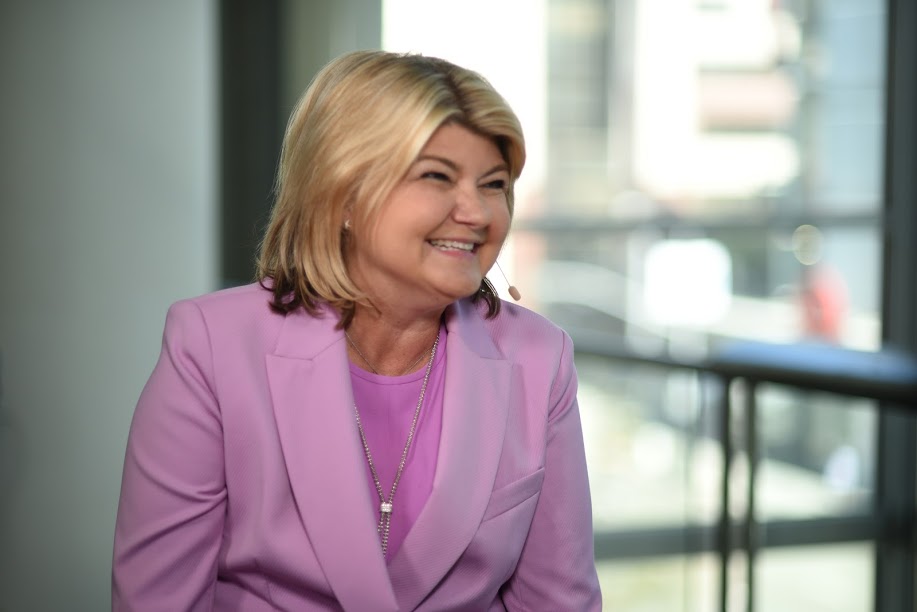
“When you’re looking at this great new technology for AI and bots, in particular, you must have a diverse team,” said Sandy Carter (pictured), chief executive officer at Silicon Blitz.
Carter recently joined Jeff Frick (@JeffFrick), host of theCUBE, SiliconANGLE Media’s mobile live streaming studio, during the Professional BusinessWomen of California Conference in San Francisco, California.
In addition to discussing why diverse teams are necessary for bot training, they also discussed the leadership forum that Carter founded three years ago.
In programming right now, chat bots are all the rage.
“If you think about AI, machine learning, and bots, you have to train the computer; the computer’s not naturally smart,” explained Carter. She said that if the data from the team that goes into the bots is biased, then the output will be biased as well.
Carter stressed that the teams that train bots should include people from different ages, races and sexual orientation. However, mere diversity alone is not enough: Communication between the team members must be inclusive and open, and the team needs projects that they can be passionate about. Additionally, there needs to be a testing method to make sure that the final delivered product reflects the diversity in thought of the team, Carter explained.
As part of PBWC, Carter started a leadership forum for senior women leaders, including C-suite team members from some of California’s best-known companies: Chevron, Clorox, IBM, Microsoft, Intel, Amazon, Salesforce and Airbnb.
Among other issues, the forum discussed how best to include and motivate millennials in the workforce; a pressing issue, since it is estimated that 50 percent of the workforce will be made up of Millennials by 2020, Carter stated.
Watch the complete video interview below, and be sure to check out more of SiliconANGLE’s and theCUBE’s coverage of the PBWC Conference.
Support our mission to keep content open and free by engaging with theCUBE community. Join theCUBE’s Alumni Trust Network, where technology leaders connect, share intelligence and create opportunities.
Founded by tech visionaries John Furrier and Dave Vellante, SiliconANGLE Media has built a dynamic ecosystem of industry-leading digital media brands that reach 15+ million elite tech professionals. Our new proprietary theCUBE AI Video Cloud is breaking ground in audience interaction, leveraging theCUBEai.com neural network to help technology companies make data-driven decisions and stay at the forefront of industry conversations.