 EMERGING TECH
EMERGING TECH
EMERGING TECH










EMERGING TECH

The U.S. dollar accounts for two-thirds (63.5 percent) of global reserves held in central banks around the world, according to the latest data from the International Monetary Fund. It is essentially the de facto global currency and has been since the Bretton Woods agreement of 1944. However, the expanding ecosystem of digital currencies and growing adoption of blockchain-based transactional technology could change the status quo of the past 70 years.
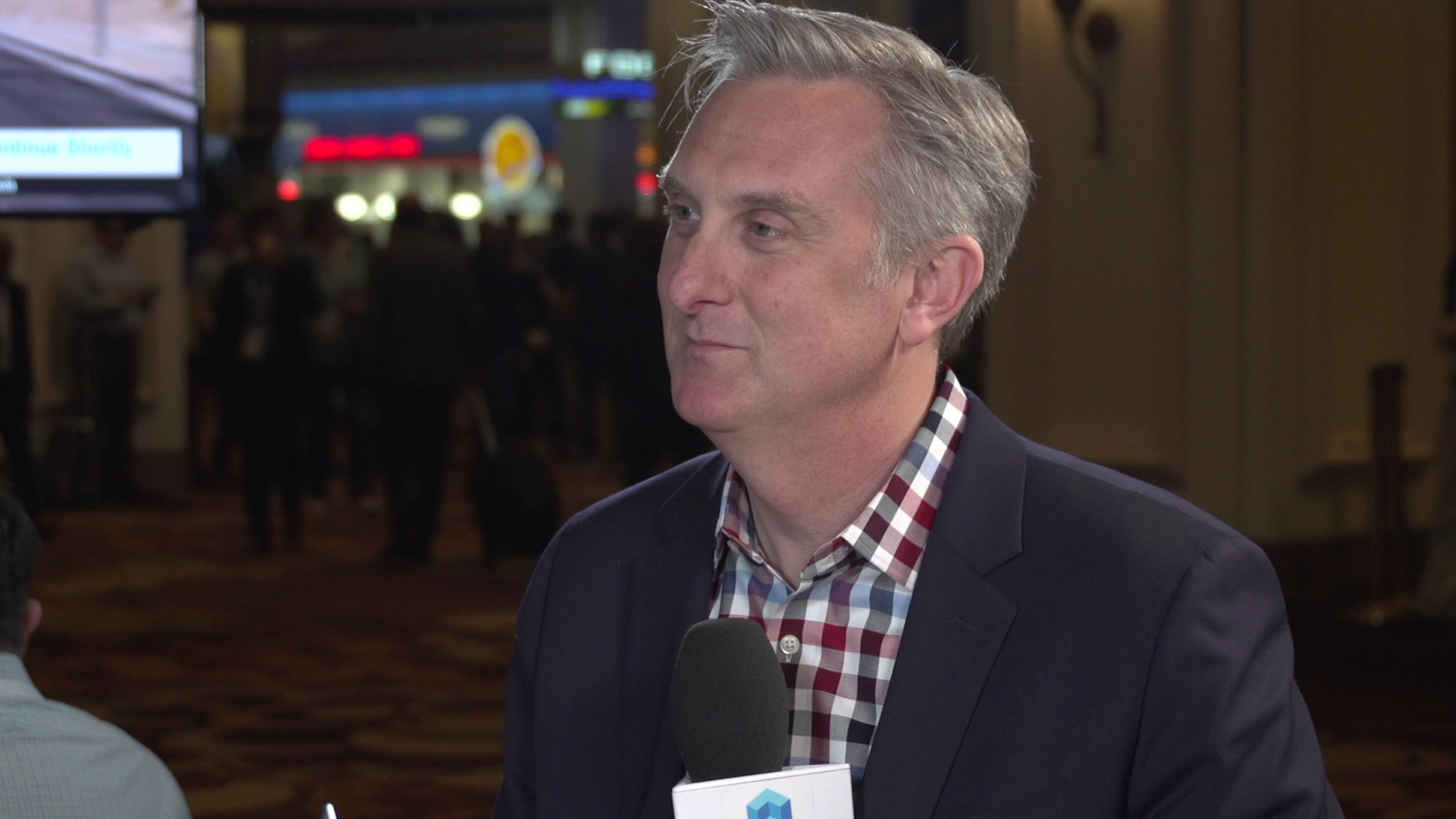
“There are other large G20 nations who wouldn’t mind dethroning the U.S. dollar as the currency of the world,” said Jesse Lund (pictured), head of blockchain solutions, financial services, at IBM Corp. “Other industries have been completely disrupted. Look at retail … it’s banking’s turn.”
Lund spoke with John Furrier (@furrier), host of theCUBE, SiliconANGLE Media’s mobile livestreaming studio, at the IBM Think event in Las Vegas. They discussed Lund’s concept of “programmable money” and IBM’s cross-border payments system using the blockchain. (* Disclosure below.)
In an analysis of the blockchain’s potential impact on the global monetary system posted last year, Lund outlined the concept of “programmable money” and the inevitability that central banks will ultimately get directly involved in issuing digital currencies.
“If the central banks were to issue digital currencies … now you have the ability to move that around,” Lund explained. “You can actually program the movement of money.”
There are already signs that other nations’ banks are exploring cryptocurrency options. Last week, the United Kingdom’s Barclays PLC announced a deal that included an e-money license for the cryptocurrency exchange Coinbase. The license will cover digital currency exchange with 23 European Union countries.
“It all boils down to this notion of digital assets,” Lund said. “The way to settle value with finality in real time is for one party to exchange a digital asset with another party.”
In October, IBM announced a blockchain banking solution for cross-border payments. The system uses Stellar Development Foundation’s lumens token as a transactional currency. “The flow of information globally in real time has been around now for a while, and it’s about time it came to money,” Lund said. “It’s unavoidable.”
Watch the complete video interview below, and be sure to check out more of SiliconANGLE’s and theCUBE’s coverage of the IBM Think event. (* Disclosure: TheCUBE is a paid media partner for IBM Think. Neither IBM, the event sponsor, nor other sponsors have editorial control over content on theCUBE or SiliconANGLE.)
Support our mission to keep content open and free by engaging with theCUBE community. Join theCUBE’s Alumni Trust Network, where technology leaders connect, share intelligence and create opportunities.
Founded by tech visionaries John Furrier and Dave Vellante, SiliconANGLE Media has built a dynamic ecosystem of industry-leading digital media brands that reach 15+ million elite tech professionals. Our new proprietary theCUBE AI Video Cloud is breaking ground in audience interaction, leveraging theCUBEai.com neural network to help technology companies make data-driven decisions and stay at the forefront of industry conversations.