 BIG DATA
BIG DATA
BIG DATA



BIG DATA

Eighty-nine percent of respondents in the 2017 CIO WaterCoolers’ annual “IT Service Management Survey” view ITSM as a value to their business, with 48 percent using it to improve service quality and 35 percent in support of customer experience. But there is a hidden dark side where legacy IT service management systems lurk, waiting to trip up tickets and slow down service response.
Eliminating these gaps is critical to optimizing the value chain, but low-value processes can be hard to identify in a non-integrated chain.
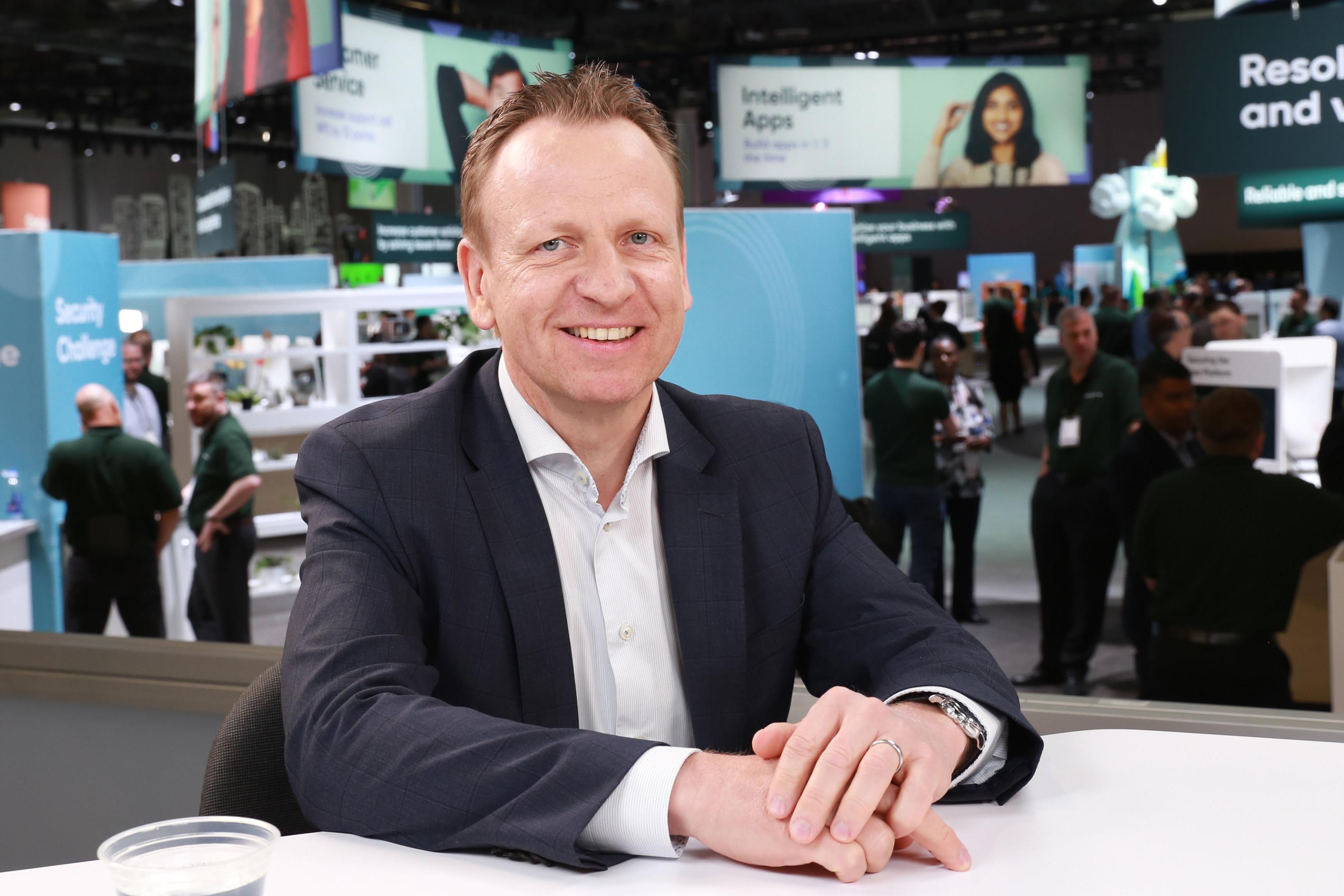
“Service integration is key because then you have the whole end-to-end view and you gain the whole inside of that chain,” said Matthias Egelhaaf (pictured), program director of information technology at Siemens AG.
Egelhaaf spoke with Rebecca Knight (@knightrm) and Dave Vellante (@dvellante), co-hosts of theCUBE, SiliconANGLE Media’s mobile livestreaming studio, at the ServiceNow Knowledge event in Las Vegas. They discussed the benefits and hurdles Siemens experienced integrating ServiceNow into its worldwide operations. (* Disclosure below.)
Global electrical engineering and electronics corporation Siemens, whose divisions cover industries as diverse as financial services and power generation, implemented cloud-based ITSM tool ServiceNow as a single process companywide approximately four years ago, affecting 377, 000 employees in 149 countries.
“You really have to learn how to leverage that new technology and … also your organization needs a learning curve to apply that technology,” Egelhaaf said. “It’s not only about setting up ServiceNow; you have to change the processes you have to change the organization.”
Egelhaaf, created a roadmap that identified the providers and tools that had low value within the chain, demonstrating the benefits of service integration to employees. “People really saw: ‘Hey, it works,’ ‘Hey, we really can shut down and get rid of some of the legacy dark side,’” he said.
It took Siemens two-and-a-half years to fully integrate ServiceNow, customizing it with additional functionality to match Siemens’ requirements. “ServiceNow was really helpful because there is out-of-the-box functionality that you can kickstart, however … you have to add some of the functionality, like the integration layer is not there, like data analytics [are] not there yet, so you have to add some of the topics,” Egelhaaf explained.
Asked his opinion on if technology will “steal jobs from humans,” Egelhaaf responded: “Yes. It will reduce some of the jobs but hopefully the nasty more administrative work, and on the other hand it will create new opportunities, especially in the integration layer where you need human intelligence and people who can act on and keep the ecosystem alive.”
Watch the complete video interview below, and be sure to check out more of SiliconANGLE’s and theCUBE’s coverage of the ServiceNow Knowledge 2018 event. (* Disclosure: TheCUBE is a paid media partner for ServiceNow Knowledge 2018. Neither ServiceNow Inc., the event sponsor, nor other sponsors have editorial control over content on theCUBE or SiliconANGLE.)
Support our mission to keep content open and free by engaging with theCUBE community. Join theCUBE’s Alumni Trust Network, where technology leaders connect, share intelligence and create opportunities.
Founded by tech visionaries John Furrier and Dave Vellante, SiliconANGLE Media has built a dynamic ecosystem of industry-leading digital media brands that reach 15+ million elite tech professionals. Our new proprietary theCUBE AI Video Cloud is breaking ground in audience interaction, leveraging theCUBEai.com neural network to help technology companies make data-driven decisions and stay at the forefront of industry conversations.