 BIG DATA
BIG DATA
BIG DATA



BIG DATA

Monetizing data assets is enticing for businesses sitting on lakes of information about consumer likes, dislikes, wants and needs. The spotlight is on the benefits of artificial intelligence and machine learning to parse through it all, but this big data is personal data, and Wild-West attitudes to collection and analysis methods can have serious consequences in the modern business world.
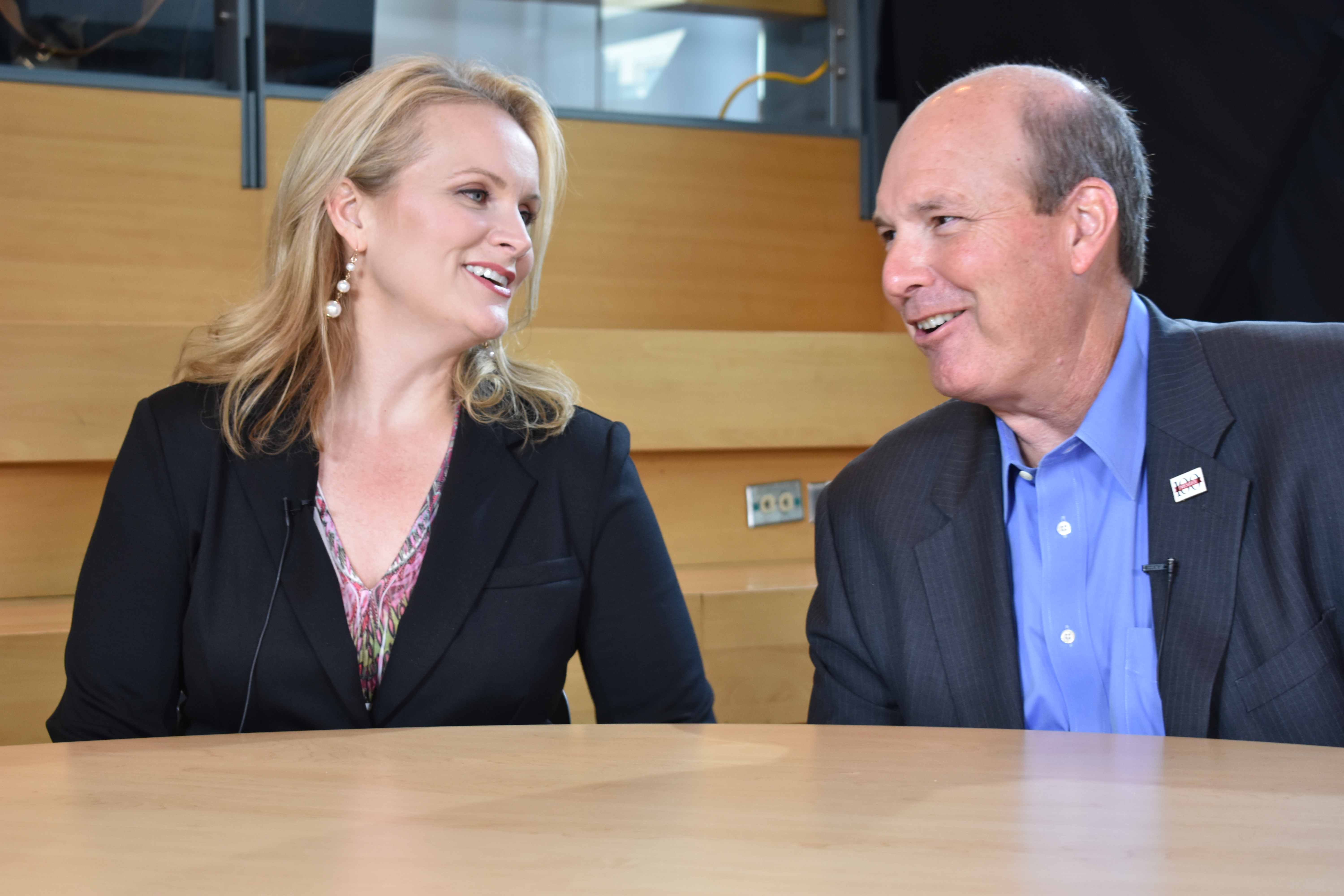
“Business leaders don’t necessarily know how [AI models] work or what can go wrong with them,” said Cortnie Abercrombie (pictured, left), founder and chief executive officer of the non-profit AITruth.org. “Data scientists are just trying to fulfill the challenge at hand, and they get really swept up in it to the point where data is getting bartered back and forth without any real governance or policies in place.”
So what are companies supposed to do? “What I’m advising executives, the board, and my clients is that we need to step back and think bigger about this, think about it not just as GDPR — the European scope — it’s global data privacy,” said Carl Gerber (pictured, right), managing partner at Global Data Analytics Leaders LLC.
Abercrombie and Gerber spoke with Rebecca Knight (@knightrm) and Peter Burris (@plburris), co-hosts of theCUBE, SiliconANGLE Media’s mobile livestreaming studio, during the MIT CDOIQ Symposium in Cambridge, Massachusetts. They discussed the real-life implications of playing free with personal data, as well as the role of the chief data officer in regulation and control of data.
The role of the CDO has expanded from administering shared data assets internally to monitoring data obtained from external sources, according to Abercrombie. “We’re asking [CDOs] to step out of their comfort zone,” said Abercrombie, discussing how data scraping — the practice of gathering data from websites into spreadsheets and local files — borders on unethical.
While there is no intent to do harm, a mentality of “I can see it so it’s mine” doesn’t work when it comes to data, Abercrombie added, drawing an analogy to shopping: “You can’t just say, ‘I like that diamond earring. I’m gonna just take it.’”
Transparency is one key to good data management practice. “It’s not just: ‘I’m gonna go get a bunch of data wherever I can. I’ll put a model together, here. Would you like the results?'” Gerber explained. “Know where your data came from, why are you doing this model, what are you going to do with the outcomes, [and] under what conditions will you empower a decision maker to use the information that is the output of the model.”
While transparency and governance are important, businesses should also consider the impact of data security on their customer relations. “This is a touchpoint that my customers have with my company: ‘How transparent should I be with what data I have about you, how I’m using it, how I’m sharing it?’” Gerber stated.
Measuring and assessing data quality, as well as looking at inputs are important, but businesses still need to ask if they are doing the right thing, according to Gerber. “The data should guide us in our decisions, but I don’t think it’s ever an absolute; it’s a range of options,” he concluded.
Watch the complete video interview below, and be sure to check out more of SiliconANGLE’s and theCUBE’s coverage of the MIT CDOIQ Symposium.
Support our mission to keep content open and free by engaging with theCUBE community. Join theCUBE’s Alumni Trust Network, where technology leaders connect, share intelligence and create opportunities.
Founded by tech visionaries John Furrier and Dave Vellante, SiliconANGLE Media has built a dynamic ecosystem of industry-leading digital media brands that reach 15+ million elite tech professionals. Our new proprietary theCUBE AI Video Cloud is breaking ground in audience interaction, leveraging theCUBEai.com neural network to help technology companies make data-driven decisions and stay at the forefront of industry conversations.