 EMERGING TECH
EMERGING TECH
EMERGING TECH









EMERGING TECH

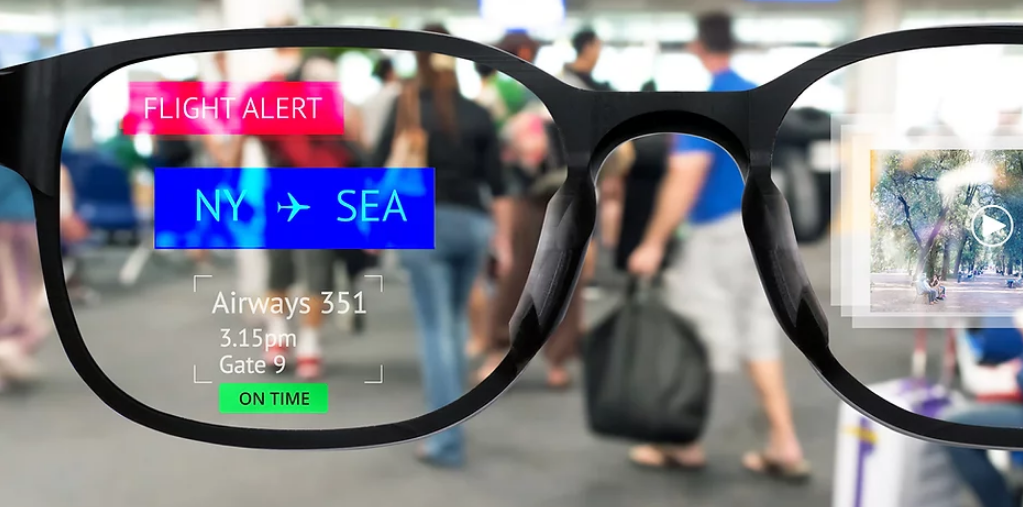
Google LLC today confirmed it has acquired Raxium, a startup that develops microLED displays used in augmented reality headsets and other devices.
It was first reported that Google had acquired the company in March. Although Google confirmed the acquisition, it has not revealed the reported acquisition price of $1 billion.
Founded in 2017, Raxium specialized in developing tiny light-emitting diodes for displays used in AR hardware. The company’s pixel technology is said to bring monolithic integration to microLEDs ranging from augmented and virtual reality micro-displays to life-sized panel-based field arrays. The technology is said to enable users to interact with data in the context of everyday activities naturally.
As noted in March, microLED is inorganic, similar to LCD displays, but it’s supposed to have OLED qualities such as high brightness, good color fidelity and high contrast. The bonus part of a microLED is its energy efficiency, which is a key requirement of wearable devices such as headsets. Raxium’s technology involves a more efficient manufacturing technique for microLEDs that reduces production costs.
Rick Osterloh, senior vice president, devices and services at Google confirmed the news on Google’s The Keyword blog.
“The team at Raxium has spent five years creating miniaturized, cost-effective and energy efficient high-resolution displays that have laid the foundation for future display technologies,” Osterloh noted. “Raxium’s technical expertise in this area will play a key role as we continue to invest in our hardware efforts.”
Raxium is set to join Google’s devices and services team.
Exactly what Google will use Raxium’s microLED tech for is uncertain, but it’s widely believed that Google is working on a new AR headset. It was reported in January that the headset, which could feature a custom chip, may debut in January 2024.
The headset is known internally under the codename Project Iris and about 300 Google staff members are said to be working on the device. The headset is also reported to run on Google’s Fuchsia operating system that features cybersecurity optimizations and features designed to facilitate simple software updates.
Support our mission to keep content open and free by engaging with theCUBE community. Join theCUBE’s Alumni Trust Network, where technology leaders connect, share intelligence and create opportunities.
Founded by tech visionaries John Furrier and Dave Vellante, SiliconANGLE Media has built a dynamic ecosystem of industry-leading digital media brands that reach 15+ million elite tech professionals. Our new proprietary theCUBE AI Video Cloud is breaking ground in audience interaction, leveraging theCUBEai.com neural network to help technology companies make data-driven decisions and stay at the forefront of industry conversations.