 AI
AI
AI
AI






AI

A key promise of artificial intelligence is enabling automation at scale. As companies flesh out infrastructure requirements on one hand, how are they adopting the right mindsets on observability to properly shape tomorrow’s applications on the other?

IBM Corp.’s approach is two-pronged — automating applications with AI and creating a conducive environment, through observability, to manage them.
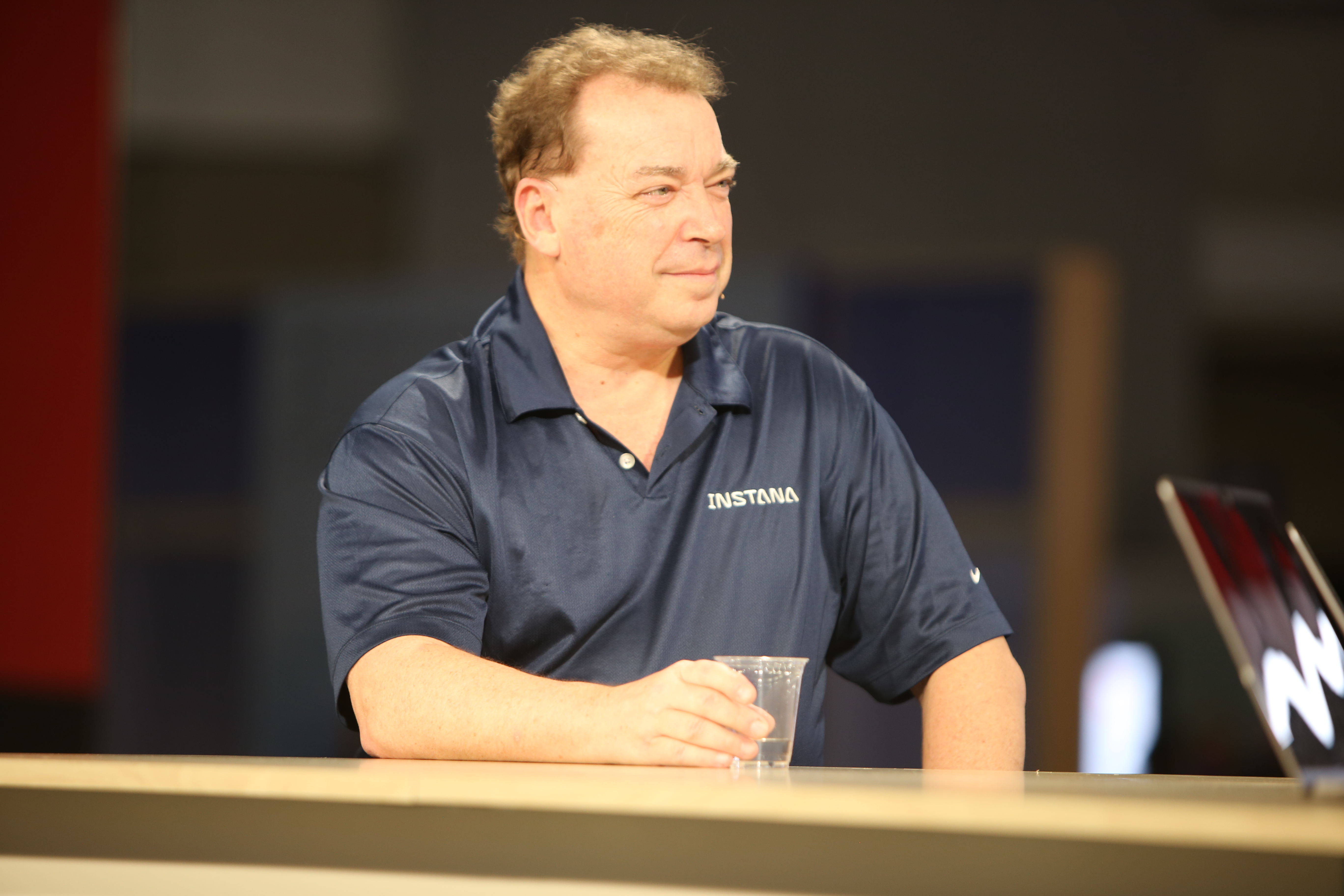
“What does automation mean for applications? What does AI mean for applications, and what does AI mean for managing those applications, and how do you manage it?” asked Chris Farrell (pictured), group product manager of Instana observability at IBM. “We’re focused on both those things at the same time, simultaneously. One of the things that we’re doing is putting AI into the observability aspect of managing the applications. We have recently released integration with watsonx to create summarizations of problems in plain English so that anyone can get a summarization and print it out.”
Farrell spoke with theCUBE’s Rob Strechay and Rebecca Knight at Red Hat Summit, during an exclusive broadcast on theCUBE, SiliconANGLE Media’s livestreaming studio. They discussed how AI, observability and automation at scale are converging to redefine how modern applications are built, monitored and optimized. (* Disclosure below.)
Central to IBM’s approach is the integration of AI into observability tooling, particularly through Instana and its connection with watsonx. This powerful combination enables AI-generated problem summaries in plain English, simplifying issue triage for both technical and non-technical teams.
Additionally, IBM is taking steps toward AI-based remediation. With watsonx, problems can be detected and suggestions — or even automated actions — can be triggered to resolve them. This shift reduces the time between incident detection and resolution, enhancing uptime and operational efficiency, according to Farrell.
“Last month, we released a new version of that, where you can have watsonx generate actions for you, for something that you might not have seen before and that we haven’t necessarily curated for you,” he said. “That way, you can start taking advantage of what we’ve learned and know from previous incidents and actions that we’ve taken.”
Here’s the complete video interview, part of SiliconANGLE’s and theCUBE’s coverage of Red Hat Summit:
(* Disclosure: IBM Corp. sponsored this segment of theCUBE. Neither IBM nor other sponsors have editorial control over content on theCUBE or SiliconANGLE.)
Support our mission to keep content open and free by engaging with theCUBE community. Join theCUBE’s Alumni Trust Network, where technology leaders connect, share intelligence and create opportunities.
Founded by tech visionaries John Furrier and Dave Vellante, SiliconANGLE Media has built a dynamic ecosystem of industry-leading digital media brands that reach 15+ million elite tech professionals. Our new proprietary theCUBE AI Video Cloud is breaking ground in audience interaction, leveraging theCUBEai.com neural network to help technology companies make data-driven decisions and stay at the forefront of industry conversations.