 AI
AI
AI
AI



AI

Artificial intelligence deployment and hybrid cloud adoption are changing the ways in which organizations use and manage data. The industry is moving toward unified, intelligent data systems that make operations simple, secure and scalable.
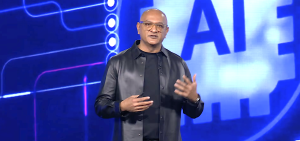
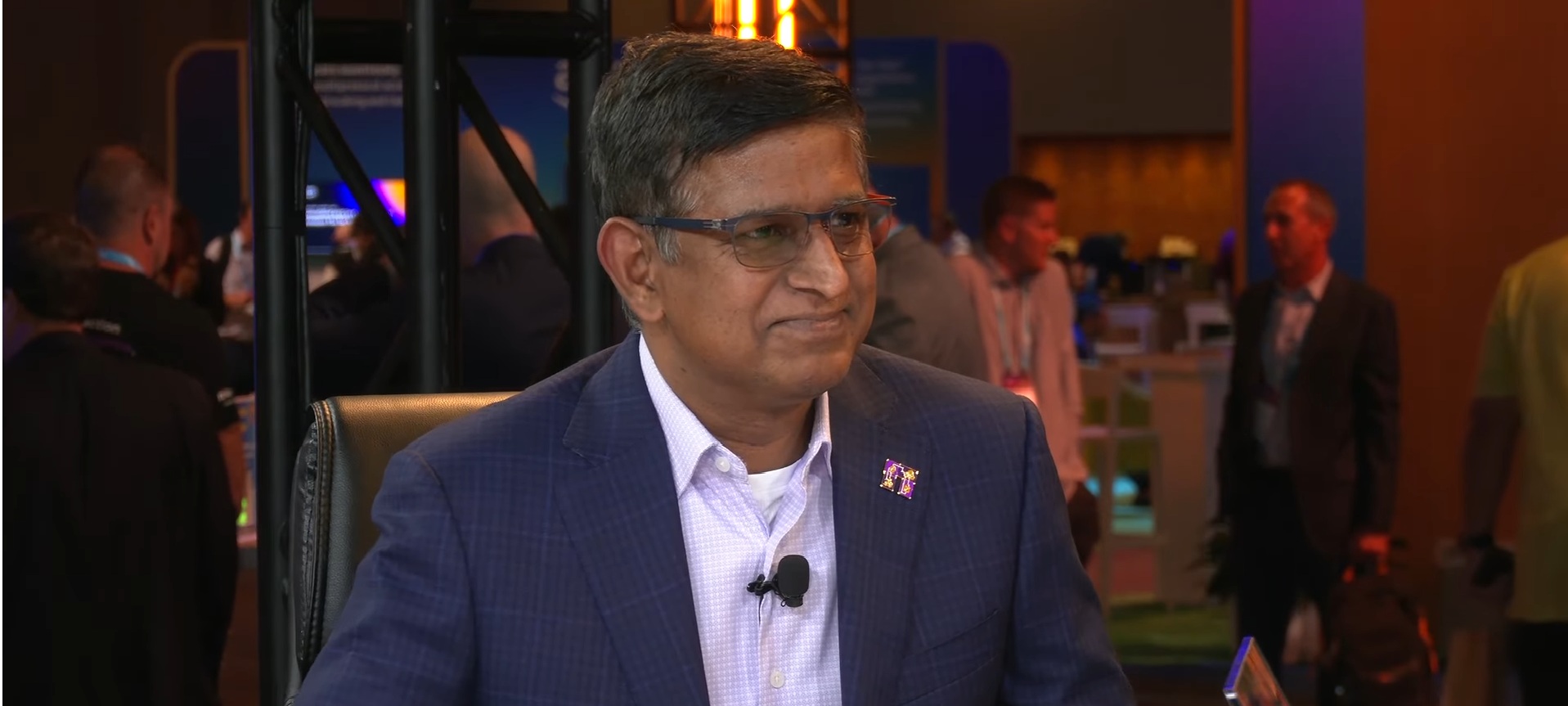
However, organizations face growing challenges balancing AI data demands amid rapid technological developments. Data and storage professionals have emerged as the key drivers of transformation, turning enterprise pain points into opportunities, according to Syam Nair (pictured), executive vice president and chief product officer at NetApp Inc.

“With such tools and integrated with the ecosystem — including open-source ecosystem partners — customers are able to drive transformation, focusing on what their business outcomes are, rather than on the complexity of the infrastructure,” Nair said. “It’s an exciting time for us. It’s an even more exciting time for the customers to drive these transformations and be the heroes of their organizations by delivering on these outcomes.”
Nair spoke with theCUBE’s Christophe Bertrand at the NetApp Insight 2025 event, during an exclusive broadcast on theCUBE, SiliconANGLE Media’s livestreaming studio. They discussed the rise of AI transformation and the shift toward unified, intelligent data systems. (* Disclosure below.)
This week, NetApp unveiled NetApp AFX, which the company aims to turn into a foundation for AI factories. Customers are seeking ways to meet new challenges by independently scaling performance and capacity, according to Nair.
“A disaggregated architecture actually enables that,” he said. “Customers can scale performance as they need it, capacity as they need it, whether it is on one platform or on another cloud. That ability is very paramount in terms of many of the new workloads.”
By adding a metadata layer, systems gain a semantic understanding of the data involved. This allows the same data set to support multiple new workloads for customers, according to Nair.
“Disaggregated storage, the architecture that we have built — I talked about this as a third generation, which is something that we invented,” Nair said. “Now we are reinventing it, because it’s not only available for the AI workload. It’s something that will actually help scale many of the new workloads; many of the intensive workloads from a performance and capacity standpoint.”
Here’s the complete video interview, part of SiliconANGLE’s and theCUBE’s coverage of the NetApp Insight 2025 event:
(* Disclosure: TheCUBE is a paid media partner for the NetApp Insight event. Neither NetApp, the sponsor of theCUBE’s event coverage, nor other sponsors have editorial control over content on theCUBE or SiliconANGLE.)
Support our mission to keep content open and free by engaging with theCUBE community. Join theCUBE’s Alumni Trust Network, where technology leaders connect, share intelligence and create opportunities.
Founded by tech visionaries John Furrier and Dave Vellante, SiliconANGLE Media has built a dynamic ecosystem of industry-leading digital media brands that reach 15+ million elite tech professionals. Our new proprietary theCUBE AI Video Cloud is breaking ground in audience interaction, leveraging theCUBEai.com neural network to help technology companies make data-driven decisions and stay at the forefront of industry conversations.