 AI
AI
AI
AI





AI

AI-native healthcare has arrived, with the convergence of cloud infrastructure and intelligent data rewriting how insurance companies engage members, run campaigns and measure business outcomes. The rules of competition are changing faster than most organizations can absorb — and the real question isn’t whether the technology is ready. It’s whether the leaders are.
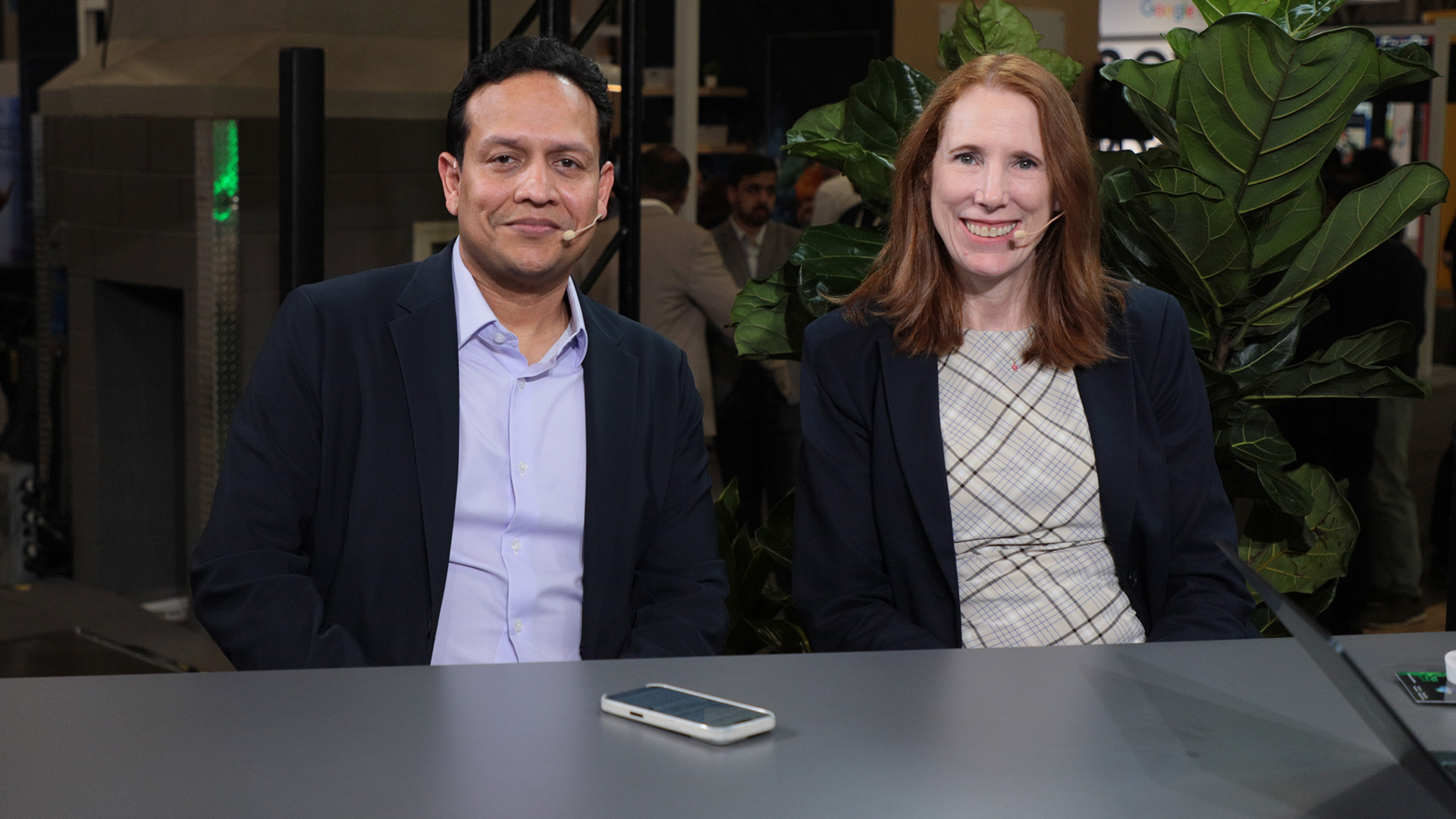
That convergence is arriving at a moment when Google Cloud LLC is positioning Gemini as the connective tissue across enterprise data systems and agent runtimes. For UnitedHealthcare Services Inc., which operates one of the largest data estates in U.S. health, the cloud foundation is already yielding returns in data quality, member personalization and organizational agility, according to Maura McEnroe (pictured, right), chief marketing officer at UnitedHealthcare.
“IT lays the foundation on which everything else will roll,” McEnroe said. “We moved everything over to the cloud and that enabled our ability to be secure, to have the data readily available, to have cleaner data. That data then drives what the C-suite needs to see — not just marketing, but the way we manage our finance, the way we manage our sales program.”
McEnroe and Ritesh Mangal (left), senior vice president at Wipro Ltd., spoke with theCUBE’s John Furrier and co-host Alison Kosik at Google Cloud Next ’26, during an exclusive broadcast on theCUBE, SiliconANGLE Media’s livestreaming studio. They discussed how UnitedHealthcare and Wipro are building an AI-native healthcare foundation on Google Cloud, moving from structured data pipelines to intelligent, agentic data infrastructure. (* Disclosure below.)
The AI-native healthcare opportunity hinges on data quality, and the work of moving from structured to intelligent data is already underway. UnitedHealth Group has deployed more than 1,000 AI use cases across its operations, with data readiness underpinning each one. A prior engagement between Wipro, Google Cloud and UnitedHealthcare migrated claims applications to the cloud, and that foundation now powers the marketing intelligence UnitedHealthcare uses to drive campaigns and member engagement, Mangal noted.
“Moving to cloud is not just about accessibility of data, it’s about how you have an intelligent data structure that can help you with insights,” Mangal said. “What it has enabled now in [McEnroe’s role as CMO] is to take those insights in the marketing side to … [move] from campaigns to continuous engagement and bringing those predictive behaviors of [UnitedHealthcare] members.”
The MarTech stack is one area where that dynamic data model is putting pressure on legacy tooling. AI is effectively making static data pipelines less relevant by querying multiple databases simultaneously, collapsing workflows that once took months into same-day use cases, McEnroe explained. That alignment — not just in tooling, but in ownership — is what separates AI initiatives that scale from those that stall.
“I think when the business and technology come together and it’s not technology’s KPIs and business’s KPIs, but we do them as a joint accountability, that’s where the value comes in,” McEnroe said. “AI is the driver that allows that to happen.”
Here’s the complete video interview, part of SiliconANGLE’s and theCUBE’s coverage of Google Cloud Next:
(* Disclosure: Wipro sponsored this segment of theCUBE. Neither Wipro nor other sponsors have editorial control over content on theCUBE or SiliconANGLE.)
Support our mission to keep content open and free by engaging with theCUBE community. Join theCUBE’s Alumni Trust Network, where technology leaders connect, share intelligence and create opportunities.
Founded by tech visionaries John Furrier and Dave Vellante, SiliconANGLE Media has built a dynamic ecosystem of industry-leading digital media brands that reach 15+ million elite tech professionals. Our new proprietary theCUBE AI Video Cloud is breaking ground in audience interaction, leveraging theCUBEai.com neural network to help technology companies make data-driven decisions and stay at the forefront of industry conversations.