 AI
AI
AI
AI






AI

Customer engagement is shifting from disconnected interactions to continuous, AI-driven experiences that span channels and adapt in real time — and unified data, orchestration and AI agents are rapidly becoming the foundation of that next-generation customer experience.
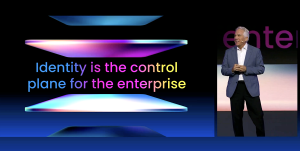
As AI becomes more involved, enterprises are increasingly focused on identity, compliance and how to actually regulate and trust these systems — questions that need clear answers before they can move with confidence into production, according to Paul Nashawaty, principal analyst at theCUBE Research. That backdrop set the stage for Twilio Inc.’s annual Signal event, where the cloud communications platform unveiled a new conversation layer for AI-driven customer engagement designed to bring continuity to fragmented customer interactions.
“I view 2025 as the year of innovation, 2026 the year of execution. Model switching is not equal to simple. Prompt tuning, data alignment [and] governance layers are all areas that need to be looked at,” Nashawaty said, during theCUBE’s keynote analysis. “What I liked about the messaging here is Twilio abstracts this conversational layer and the communication layer — it abstracts the complexity.”
During the Twilio Signal event, theCUBE’s Nashawaty and Sam Weston spoke with industry professionals about how Twilio is aiming to position its platform as the communications and data layer for AI-driven customer engagement. They highlighted the shift toward unified orchestration, the role of identity and compliance in building trusted AI infrastructure, and what’s coming next when it comes to next-generation customer experience. (* Disclosure below.)
Here are nine themes showing how the future of AI-driven customer engagement is being defined:
The timing couldn’t be better for a platform play, Weston noted. Twilio is positioning its approach as the connective tissue for more unified customer engagement experiences, moving organizations beyond the limitations of standalone SMS and point solutions. At the same time, the company is betting that AI will deliver measurable ROI through more personalized, seamless and efficient customer interactions, she added.
Catch the full segment on theCUBE.
Historically, customer engagement across channels was highly siloed, forcing users to repeat information as conversations moved between systems and touchpoints. New orchestration and data layers are designed to create more seamless, context-aware experiences while enabling personalized content to scale across channels such as SMS and WhatsApp, said Kevin Zellmer, senior vice president of alliances at Apply Digital Ltd.
Here’s theCUBE’s complete interview.
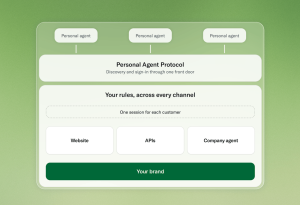
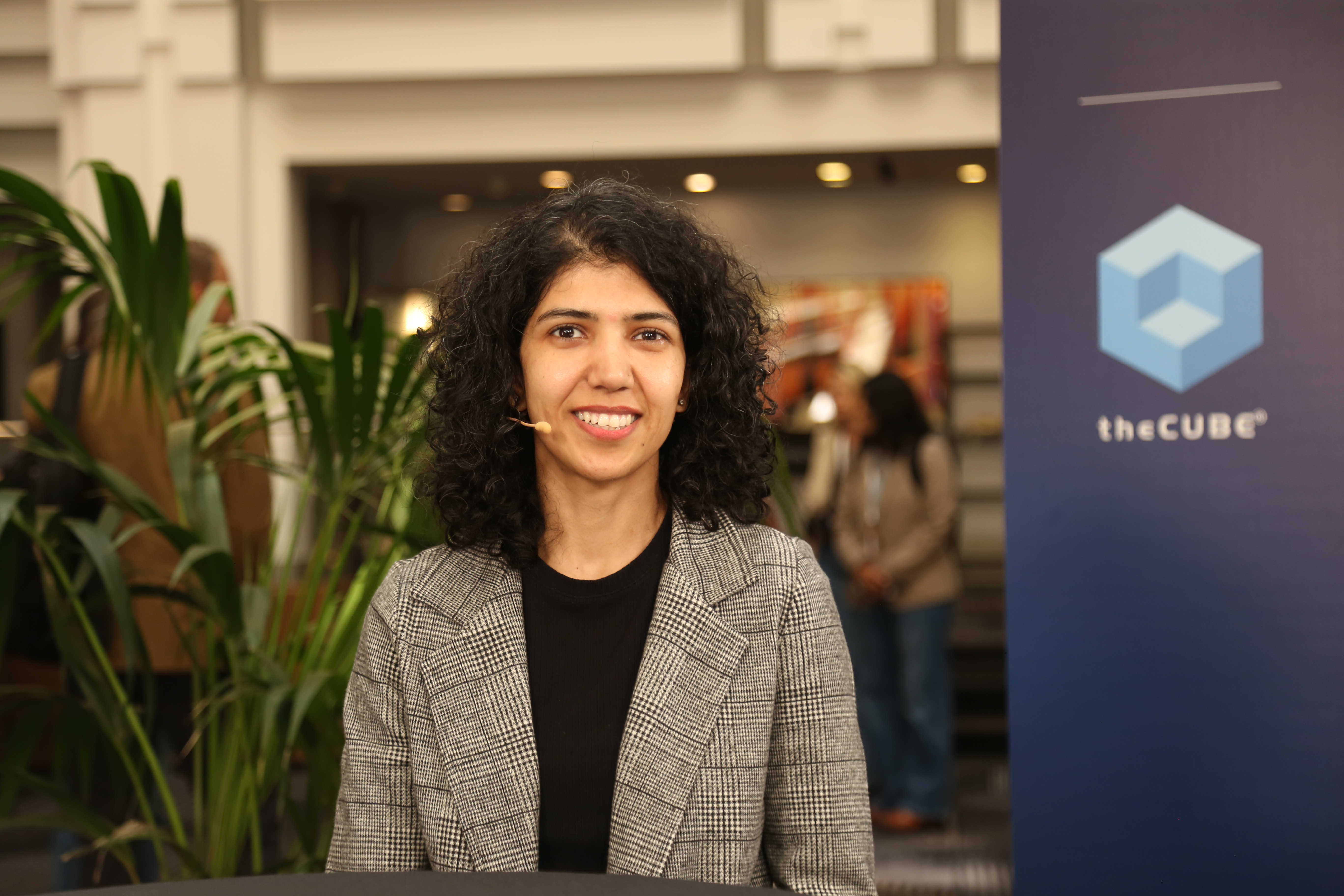
The industry is moving toward unified platforms that can manage human-to-agent and agent-to-agent interactions seamlessly at scale. At the same time, identity, permissions and managing rogue behavior are becoming essential to building trusted infrastructure for the future of communication, according to Rikki Singh (pictured), vice president of Twilio Forward, the company’s emerging technologies and innovation team focused on what’s coming in the next three to five years. Central to that vision is solving what may be the defining challenge of the agentic era: As AI agents take on higher-risk, more autonomous tasks, the infrastructure beneath them needs to enforce predictable, codified behavior — or the promise of agentic AI falls apart entirely.
Catch the entire segment on theCUBE.
Consumers increasingly expect AI interactions to deliver seamless, personalized experiences that carry across their entire buying journey, from asking questions to completing transactions. But at the same time, many industries still lack those capabilities, creating a major opportunity for businesses and developers to transform customer experiences across sectors such as healthcare, banking, real estate and automotive, noted Andy O’Dower, vice president and field chief technology officer at Twilio Inc.
Don’t miss the full segment on theCUBE.
When it comes to next-generation customer experience, customers increasingly want communication channels to work together seamlessly and retain context across interactions instead of starting every conversation from scratch, according to Kathryn Murphy, senior vice president of product at Twilio Inc. Brands that can’t meet that expectation are increasingly losing the thread — and the customer.
Watch theCUBE’s full exclusive.
Only 19% of people answer calls from unknown numbers, a reality that sits at the heart of how Meera.ai is rethinking next-generation customer experience for complex sales cycles, explained the conversations platform’s CEO Vivek Zaveri. Meera.ai helps businesses engage prospects the way people naturally communicate with each other, starting asynchronously via text before transitioning to voice, rather than bombarding them with repeated calls. For complex sales cycles in industries like insurance, lending and home services, that shift from sync to async outreach is proving to be the difference between annoying a prospect and actually converting one.
Check out the entire interview on theCUBE.
The Professional Golfers’ Association of America has expanded its use of Twilio from basic messaging into a broader platform spanning email, contact centers, payments and customer data, explained PGA of America Chief Technology Officer Kevin Scott. The organization also uses Twilio’s communications infrastructure to coordinate behind-the-scenes operations at major golf events, including real-time staff updates during weather incidents and other disruptions.
For the full story, check out the segment on theCUBE.
Twilio has spent the last two years sharpening its focus, moving from a sprawling set of individual products to a cohesive platform built around what customers actually need, according to Inbal Shani, chief product officer and head of research and development at Twilio. With several major capabilities announced at Signal now generally available, the company is pushing hard to close the gap between AI experimentation and production, collapsing the “time to magic” — the moment a business creates its first meaningful customer engagement on the platform.
Watch the full segment on theCUBE.
Developers are increasingly looking for unified platforms that bring orchestration, memory, collaboration and communications into a single environment instead of relying on fragmented integrations, said Evan Mendenhall, founder of Professional AI Agents LLC. Consolidating AI and voice infrastructure into one platform can also reduce complexity, simplify management and improve latency for real-time customer interactions.
Catch the full segment on theCUBE.
Here’s the complete video playlist from SiliconANGLE’s and theCUBE’s coverage of the Twilio Signal event:
(* Disclosure: TheCUBE is a paid media partner for the Twilio Signal event. Neither Twilio, the sponsor of theCUBE’s event coverage, nor other sponsors have editorial control over content on theCUBE or SiliconANGLE.)
Support our mission to keep content open and free by engaging with theCUBE community. Join theCUBE’s Alumni Trust Network, where technology leaders connect, share intelligence and create opportunities.
Founded by tech visionaries John Furrier and Dave Vellante, SiliconANGLE Media has built a dynamic ecosystem of industry-leading digital media brands that reach 15+ million elite tech professionals. Our new proprietary theCUBE AI Video Cloud is breaking ground in audience interaction, leveraging theCUBEai.com neural network to help technology companies make data-driven decisions and stay at the forefront of industry conversations.