 AI
AI
AI
AI







AI

Enterprises racing to deploy AI at scale are discovering that the biggest constraint isn’t model capability anymore — it’s control. As agentic AI moves from experimentation into core business processes, companies are rethinking whether handing proprietary data to closed frontier models is a risk worth taking, opening the door for open-weight AI models.
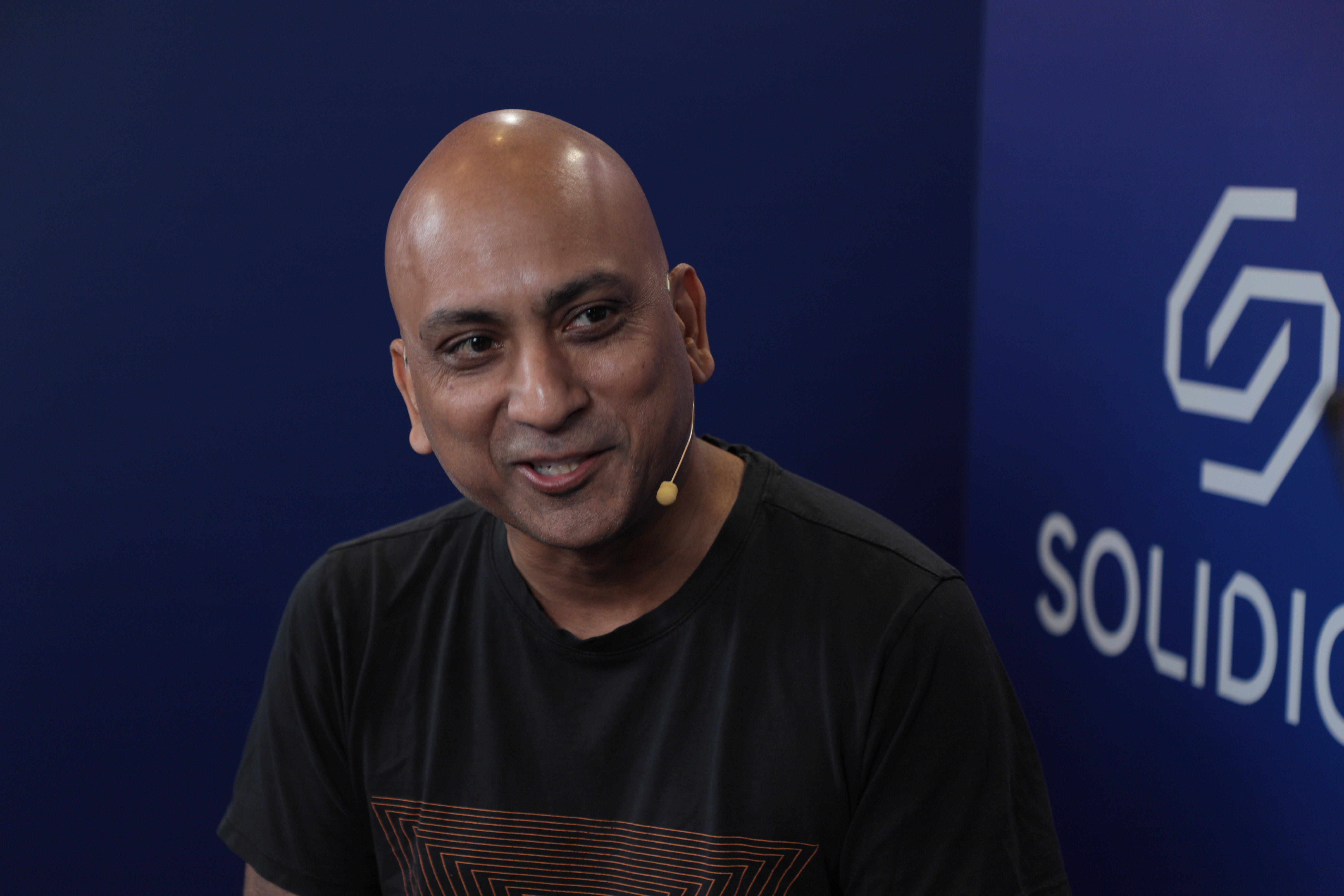
That shift is fueling explosive growth for the companies building the infrastructure layer beneath open-source AI. Token usage on open-weight models has surged as enterprises weigh cost, compliance and intellectual property against the convenience of closed systems, according to Vipul Ved Prakash (pictured), co-founder and chief executive officer of Together AI Inc., which recently raised $800 million in Series C funding at an $8.3 billion valuation.
“One of the things that we have seen over the last year is there’s been almost a stampede towards open-weights models, which we serve and we allow our customers to post-train and adapt to their data,” Prakash said. “We’ve seen a 10,000-times increase in the number of tokens being processed through open-source models. I think they have really become now a workhorse of agentic AI in a way that was just not there a year ago.”
Prakash spoke with theCUBE’s John Furrier at the RAISE Summit in Paris, during an exclusive broadcast on theCUBE, SiliconANGLE Media’s livestreaming studio. They discussed the rise of open-weight AI models, enterprise agent harnesses and how sovereignty concerns are reshaping AI infrastructure decisions. (* Disclosure below.)
Cost is a major driver of the shift, but it’s not the only one. Together AI’s customers see cost differences between open and closed models ranging from six to 60 times, Prakash said, a gap that becomes decisive once AI runs at production scale rather than in a demo.
“[Open-weight models] are important for a couple of reasons,” Prakash said. “One is cost. … The other is control. These models can be run in the compute environment that the customer wants, following the compliance and data loss and the security requirements for the customer.”
Enterprises increasingly worry that sending proprietary business processes into closed frontier models effectively hands competitors a blueprint, Prakash noted, pointing to public comments from Palantir Technologies Inc. CEO Alex Karp on the same tension. That anxiety is growing as Together AI’s own volume signals how fast agentic workloads are scaling.
“We were serving 30 billion tokens a month 9 months ago,” he said. “We are serving over 400 trillion tokens a month now. So, there is an incredible appetite. It’s become a compute-bound business.”
Enterprises are responding by building their own “harnesses” — orchestration loops that let them swap models underneath an application with near-zero switching cost, Prakash explained. That flexibility, paired with data control, is turning open infrastructure into a durable competitive advantage rather than just a budget line item.
“You are not sharing your data with a company that trains models,” Prakash said. “You have complete control on data residency, what happens with that data, and you can still mix and match multiple models within your harnesses to get the best results. I think this starts becoming a moat in that you’re deploying AI effectively in the enterprise … all the while you’re also creating these AI assets that you now own, and it becomes part of your intellectual property.”
Here’s the complete video interview, part of SiliconANGLE’s and theCUBE’s coverage of RAISE Summit:
(* Disclosure: TheCUBE is a paid media partner for the RAISE Summit event. Neither Solidigm, the headline sponsor of theCUBE’s event coverage, nor other sponsors have editorial control over content on theCUBE or SiliconANGLE.)
Support our mission to keep content open and free by engaging with theCUBE community. Join theCUBE’s Alumni Trust Network, where technology leaders connect, share intelligence and create opportunities.
Founded by tech visionaries John Furrier and Dave Vellante, SiliconANGLE Media has built a dynamic ecosystem of industry-leading digital media brands that reach 15+ million elite tech professionals. Our new proprietary theCUBE AI Video Cloud is breaking ground in audience interaction, leveraging theCUBEai.com neural network to help technology companies make data-driven decisions and stay at the forefront of industry conversations.