 AI
AI
AI
AI







AI

Asset intelligence is becoming a frontline security discipline as AI agents make it harder for organizations to understand what’s actually running in their environments. Unlike traditional assets, agents carry identities, touch multiple systems and can change behavior based on the access they’re given.
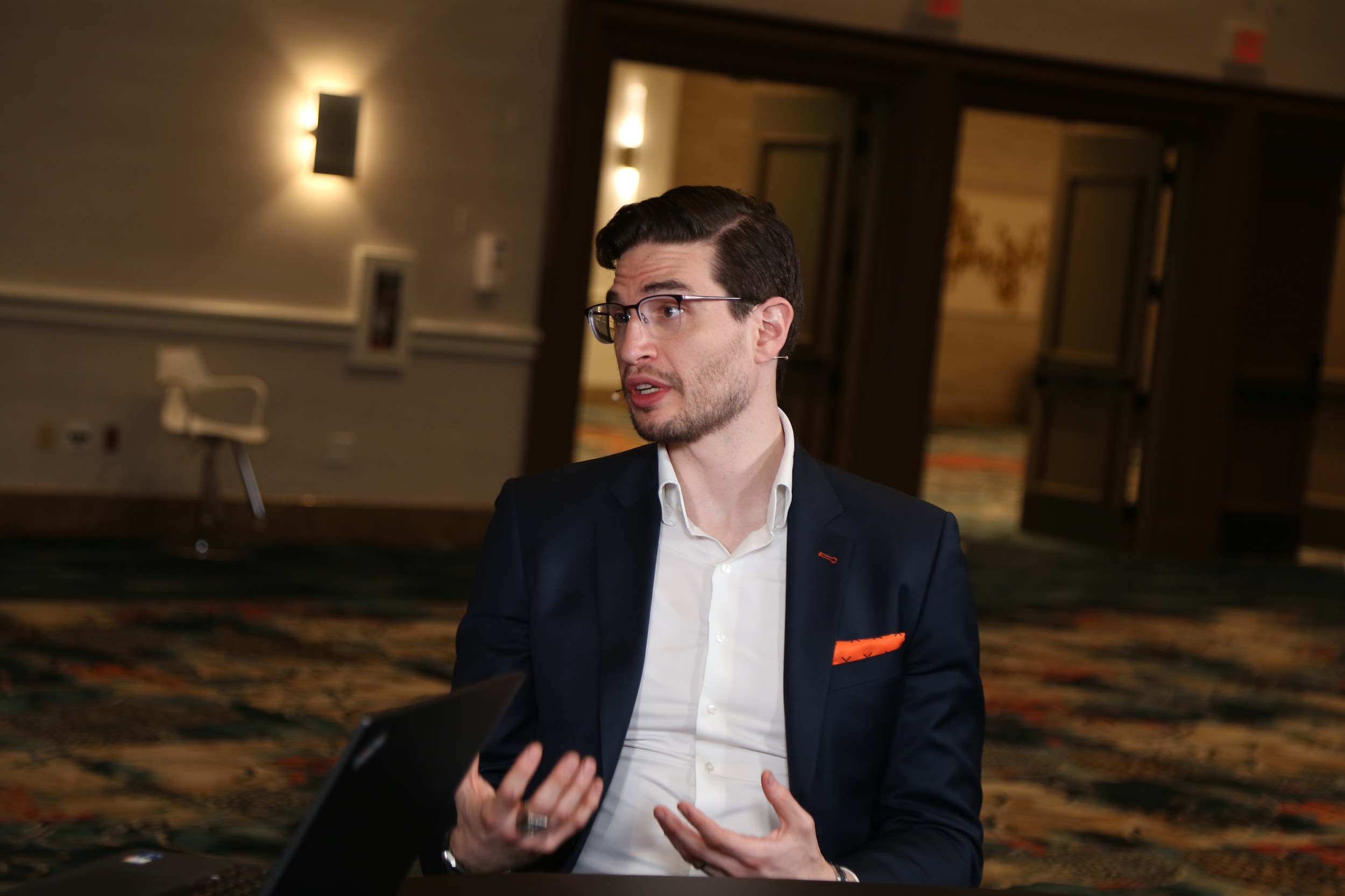
Dean Sysman (pictured), co-founder and executive chairman of Axonius Inc., has spent nine years helping organizations gain visibility into their assets. Sysman co-founded the company after finding that organizations from startups to the largest federal agencies often couldn’t say what assets they owned, who owned them or whether they were secured.
“Today we have over 1,400 different integrations we’ve built,” Sysman said. “We can plug into any kind of data silos that they have — products from cloud, from security products, networking, IT, everything.”
Sysman spoke with theCUBE Research’s Krista Case and co-host Jon Oltsik at Black Hat USA, during an exclusive broadcast on theCUBE, SiliconANGLE Media’s livestreaming studio. They discussed why asset intelligence is becoming the foundation for securing AI agents. (* Disclosure below.)
The discovery problem now extends well beyond servers and laptops, according to Sysman. Identities, networks and applications each became their own category of asset — and agents, along with the large language models and prompts behind them, are the newest addition. Axonius launched two capabilities just ahead of Black Hat: the Axonius MCP Server, which allows external AI tools to draw context from its platform, and the Axonius AI Agent, which provides native agentic workflows within the product.
“Organizations don’t have a lack of understanding or visibility because they are lacking in data,” Sysman said. “It’s actually the opposite. There’s too much data … all of the assets have relationships to each other, and they influence each other.”
That context becomes critical once organizations move past simple visibility, according to Sysman, who described a maturity curve that runs from discovery to policy enforcement to prioritized remediation at scale. Axonius has been pushing toward that last stage all year, expanding into AI-driven remediation months before Black Hat. Sysman pointed to organizations managing tens of millions of vulnerability instances associated with Common Vulnerabilities and Exposures as the kind of scale that makes automation necessary.
“We know we need to patch this server … but we know this other server is not as important so we can put it aside,” Sysman said. “If it’s our payment server, then definitely don’t touch it. If it’s just some developer’s test machine, then update it.”
Sysman traced that philosophy back to a keynote he gave at the RSAC Conference this year on what he calls the perfect security world — one where systems are self-healing rather than merely breach-resistant. That vision depends on the same contextual exposure management Axonius applies to CVEs, he noted. The recent breach involving Hugging Face Inc. and an OpenAI Group PBC agent illustrated how the same capabilities can create risk as well as resilience.
“We always have to remember that agents and AI, just like the code that we write, will do exactly what you tell it to,” Sysman said. “The problem is visibility over what that could manifest into.”
Here’s the complete video interview, part of SiliconANGLE’s and theCUBE’s coverage of Black Hat USA:
(* Disclosure: Axonius Inc. sponsored this segment of theCUBE. Neither Axonius nor other sponsors have editorial control over content on theCUBE or SiliconANGLE.)
Support our mission to keep content open and free by engaging with theCUBE community. Join theCUBE’s Alumni Trust Network, where technology leaders connect, share intelligence and create opportunities.
Founded by tech visionaries John Furrier and Dave Vellante, SiliconANGLE Media has built a dynamic ecosystem of industry-leading digital media brands that reach 15+ million elite tech professionals. Our new proprietary theCUBE AI Video Cloud is breaking ground in audience interaction, leveraging theCUBEai.com neural network to help technology companies make data-driven decisions and stay at the forefront of industry conversations.