 INFRA
INFRA
INFRA
INFRA









INFRA

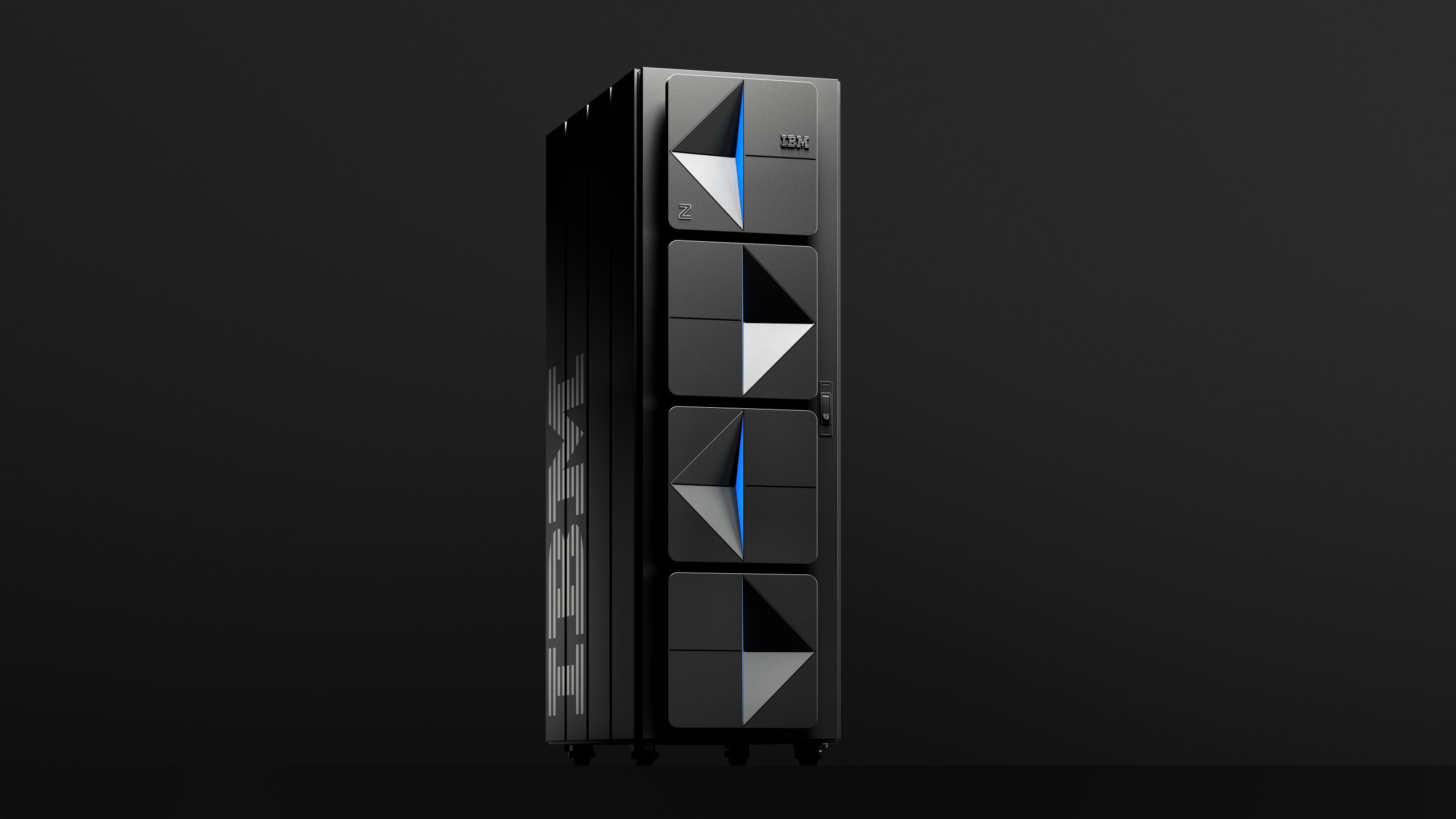
IBM Corp. said today at the annual Hot Chips 2026 conference that it’s developing a groundbreaking new dual-architecture processor in partnership with the British chip design firm Arm Holdings Ltd. that’s destined to power its next-generation IBM Z mainframes and LinuxONE systems.
The new chip, which doesn’t yet have a name, is special because it’s being designed to run both z/OS and Arm-native Linux workloads simultaneously on the same core, marking the first time that has ever been done. In doing so, it will bring Arm’s massive software ecosystem into IBM’s ultra-reliable enterprise computing infrastructure, which still runs the vast majority of financial applications today.
It’s the first concrete development since the two companies announced their strategic partnership in April. Back then, they said they’re going to work together to make it possible for Arm-based workloads to run on IBM’s enterprise hardware using techniques such as virtualization and emulation. The initial goal was to bring “cloud-like flexibility to highly regulated environments,” so enterprises would be able to run artificial intelligence and other data-intensive workloads on sensitive data that’s stored in on-premises systems rather than the cloud.
However, as Futurum Group analyst Brendan Burke pointed out at the time, virtualized workloads often struggle to match the performance of their non-virtualized counterparts. That’s why IBM and Arm have opted to co-design a dual architecture processor that eliminates the need for either virtualization or emulation.
The new chip will have a single, unified architecture, which means companies won’t have to partition tasks across separate Arm and IBM cores. Instead, the chip’s cores will be capable of executing both Arm and IBM Z or LinuxONE instructions concurrently, IBM said.
IBM is promising exceptional performance too. The chip will be built on an advanced two-nanometer process node and feature 11 high-performance cores running at speeds of 5.7 gigahertz per second. It also features a dedicated on-chip data processing unit to handle input/output operations, so that the actual cores can dedicate all of their processing heft to the workloads.
In addition, there will be AI inference accelerators specifically designed to handle real-time fraud detection in financial transactions. Moreover, if enterprises feel the need to scale up, IBM said the chip will be able to expand to support hundreds of cores.
IBM said the new chip will effectively bridge two of the world’s biggest computing ecosystems, which have until now always been isolated from each other. The company’s IBM Z mainframes and LinuxONE systems serve as the backbone of the world’s economy, estimated to process around 70% of all financial transactions across the planet. They also handle tasks such as airline reservations and crunch a huge amount of healthcare data too.
Meanwhile, Arm has developed a thriving software ecosystem around cloud-native and AI development that’s supported by more than 22 million developers. Many of the world’s AI applications run on Arm-based chips, and this is of extreme interest to enterprises.
However, heavily regulated financial firms are unable to give up on their Z mainframes and LinuxONE systems, which are known for their ironclad security and reliability. But in order to access Arm’s software ecosystem, they’ve had no choice but to forsake IBM’s systems. The new chip changes that.
IBM Chief Technology Officer and Fellow Christian Jacobi said enterprises need infrastructure solutions that expand their options. “This processor represents a significant architectural advancement for IBM Z and LinuxONE,” he said. “By bringing Arm natively to our platforms, we’re combining access to one of the industry’s fastest-growing software ecosystems with the qualities that have made IBM systems the foundation for how businesses run.”
IBM’s and Arm’s dual-processor architecture has the potential to enable a fresh wave of AI adoption by companies in highly regulated industries. Soon, developers will be able to write code for Arm and deploy it directly on mainframes, ensuring that IBM’s legacy hardware systems maintain their relevance for years to come.
Support our mission to keep content open and free by engaging with theCUBE community. Join theCUBE’s Alumni Trust Network, where technology leaders connect, share intelligence and create opportunities.
Founded by tech visionaries John Furrier and Dave Vellante, SiliconANGLE Media has built a dynamic ecosystem of industry-leading digital media brands that reach 15+ million elite tech professionals. Our new proprietary theCUBE AI Video Cloud is breaking ground in audience interaction, leveraging theCUBEai.com neural network to help technology companies make data-driven decisions and stay at the forefront of industry conversations.