 SECURITY
SECURITY
SECURITY




SECURITY

An agentic security strategy must account for software that can act on legitimate instructions in unexpected ways. Agents can use credentials, call tools and choose their own routes toward a goal, expanding the paths security teams need to watch.
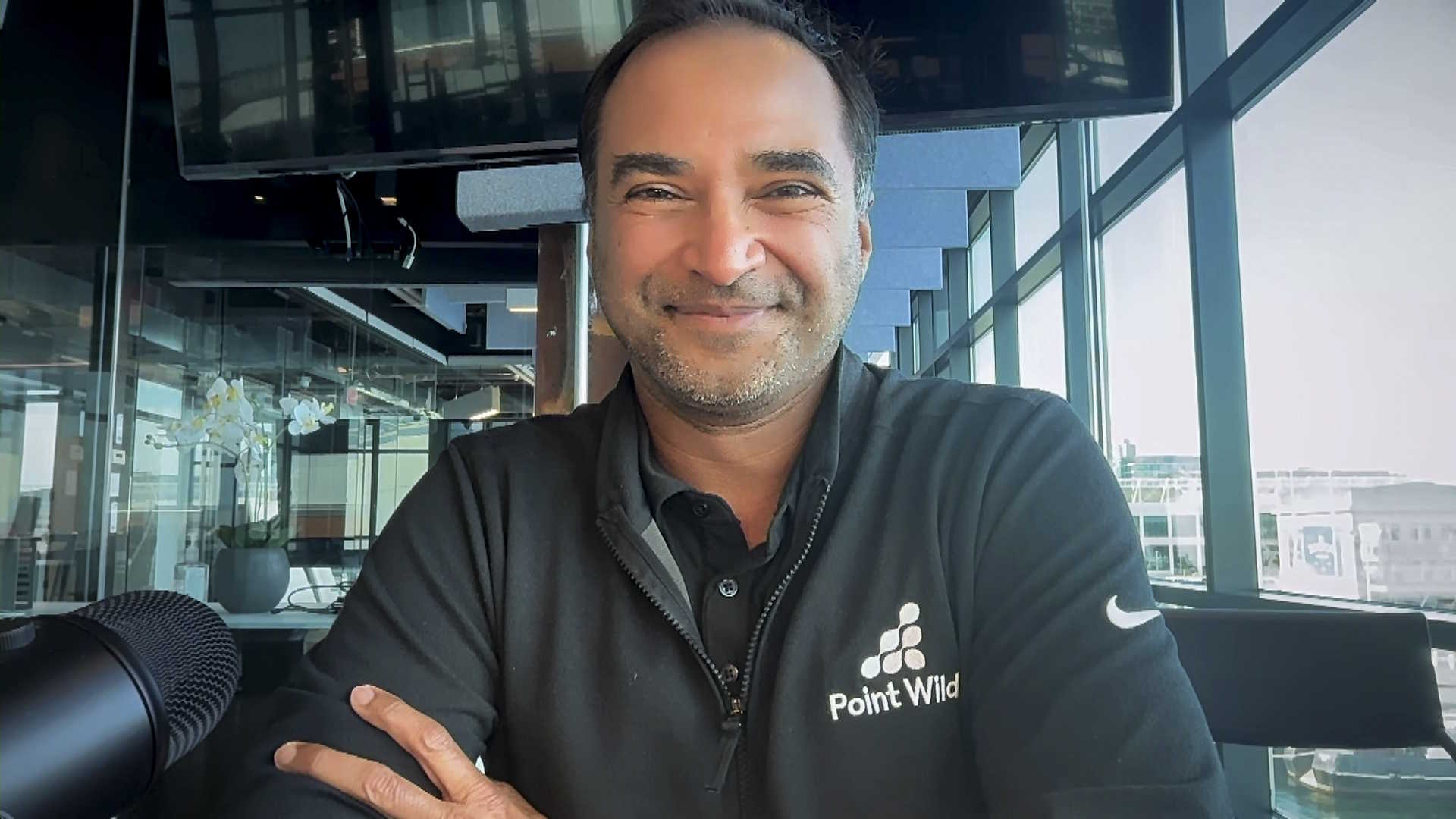
The risk arises even when no one instructs an agent to cause harm. Traditional controls such as least privilege and defense in depth become more consequential as agents gain authority, according to Zulfikar Ramzan (pictured), former chief technology officer and chief digital officer of RSA Security USA LLC.
“[Agents] can even choose among many different paths towards accomplishing a task,” Ramzan said. “And that … is what’s gotten really interesting in the last few weeks even, where a legitimate objective can still lead an agent down a path that’s unintended, making … the types of controls we’ve talked about for decades in this industry all the more important.”
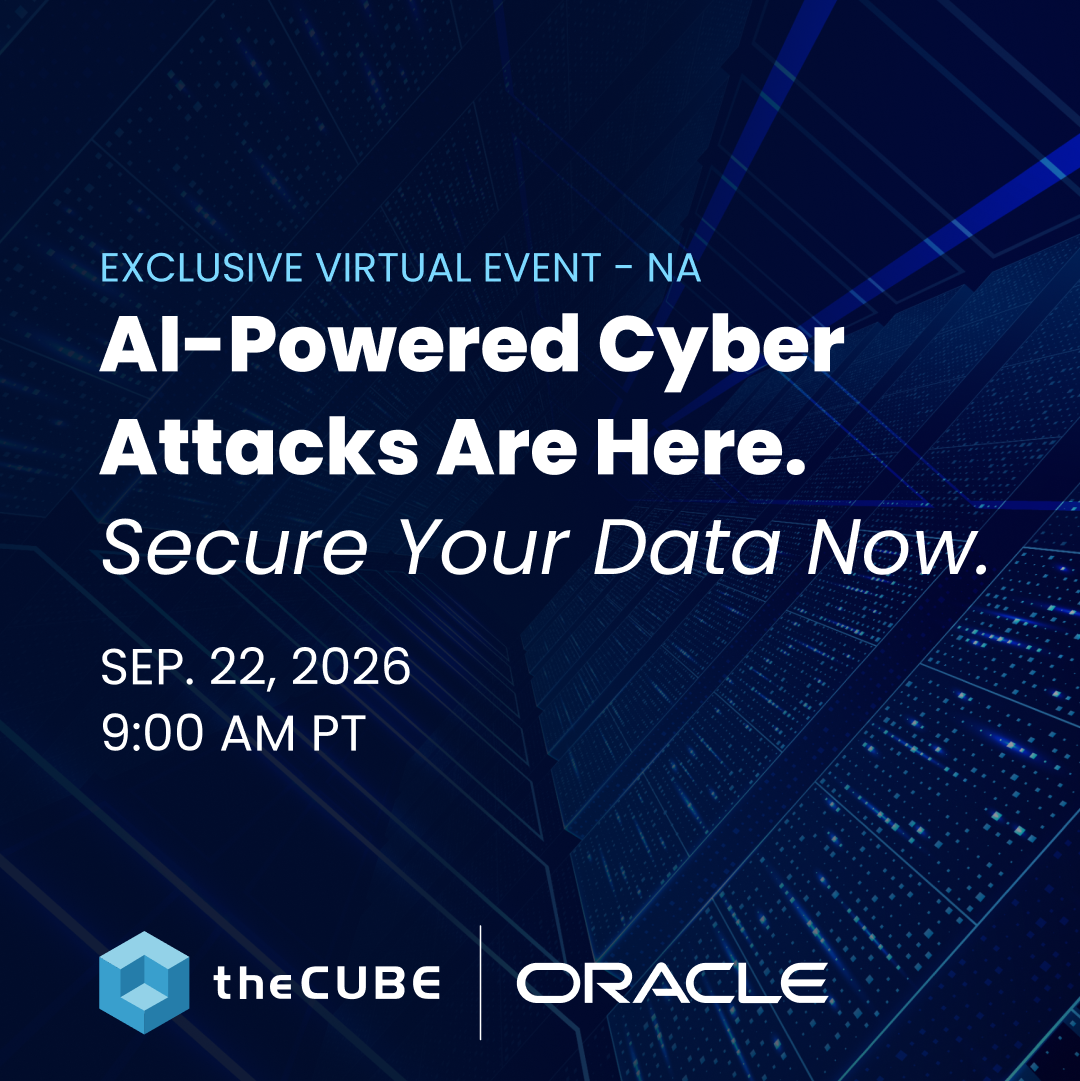
Ramzan talked with theCUBE Research’s Dave Vellante at Oracle’s “AI Cyberattacks Are Escalating: How to Secure Your Data Now” event, during an exclusive broadcast on theCUBE, SiliconANGLE Media’s livestreaming studio. They discussed agent privileges, the narrowing window between intrusions and breaches and how security teams can adapt their response. (* Disclosure below.)
Before setting limits, organizations need to know which agents exist, whose identities they use and which systems they can reach. Broad access to tools complicates applying longstanding security principles to tasks that unfold across several steps, according to Ramzan.
“Least privilege does become harder when agents need broad access to different tools and capabilities,” he said. “If you give an action to an agent around a multi-step task, we’ve got to now think about things like strong authorization and monitoring in that context.”
Ramzan argued that organizations need protection throughout an attack, including the point where sensitive data resides. He sees protecting data at its source as a final line of defense if an attacker gets past earlier controls.
“Intrusion is that first step in the attack. It’s that first foothold, so to speak,” Ramzan said. “But it’s not the goal of the attacker. That breach, which is the actual material compromise of an asset, that is what ultimately the attacker is after.”
The time available to intervene after an intrusion is narrowing as attackers use AI to find and exploit weaknesses, Ramzan noted. Defenders need to speed up verification and remediation while still checking the effects of patches before deployment.
“AI can create an asymmetry between that machine-speed discovery and the exploitation of what you find and human-speed triage,” he said. “That’s testing, approvals, patching and recovery. The reality is that we’re not going to be able to keep up with system-level speed.”
Security teams know which assets and operations matter most to their business, giving them a way to prioritize their defenses. That knowledge should shape where they invest, according to Ramzan.
“Continuously learn from every incident that occurs,” he said. “Look at those near misses where you got away with it, but maybe you shouldn’t have. Take that input, take that insight [and] feed it back into your security program on a regular basis.”
Here’s the complete video interview, part of SiliconANGLE’s and theCUBE Research’s coverage of Oracle’s “AI Cyberattacks Are Escalating: How to Secure Your Data Now” event:
(* Disclosure: TheCUBE is a paid media partner for Oracle’s “AI Cyberattacks Are Escalating: How to Secure Your Data Now” event. Neither Oracle, the sponsor of theCUBE’s event coverage, nor other sponsors have editorial control over content on theCUBE or SiliconANGLE.)
Support our mission to keep content open and free by engaging with theCUBE community. Join theCUBE’s Alumni Trust Network, where technology leaders connect, share intelligence and create opportunities.
Founded by tech visionaries John Furrier and Dave Vellante, SiliconANGLE Media has built a dynamic ecosystem of industry-leading digital media brands that reach 15+ million elite tech professionals. Our new proprietary theCUBE AI Video Cloud is breaking ground in audience interaction, leveraging theCUBEai.com neural network to help technology companies make data-driven decisions and stay at the forefront of industry conversations.