 AI
AI



AI

Operational sovereignty gives universities authority over how shared computing resources are allocated, managed and secured.
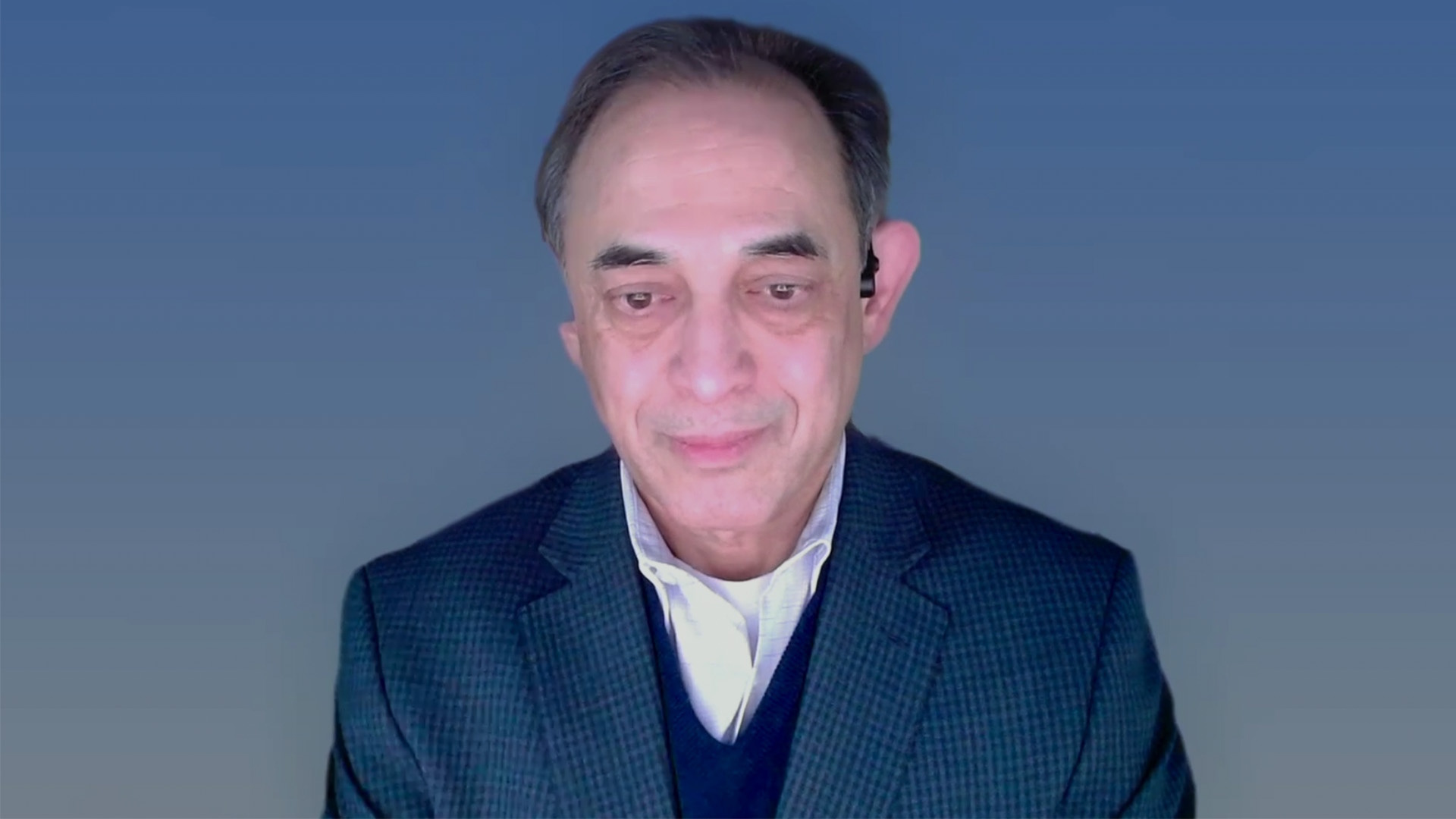
The University of Utah’s Redtail AI factory supercomputer brings advanced computing capabilities to a statewide community. Supporting researchers, students, administrators and external partners through that infrastructure requires more than computing capacity, according to Manish Parashar (pictured), chief AI officer of the University of Utah.
“In research, we are always trying to balance research security with doing open research for societal good,” he said. “Depending on where you are, you might want to lean in one direction or the other. Having that capability to turn the knob becomes so important.”
Parashar spoke with theCUBE Research’s Dave Vellante and Amit Eyal Govrin for the “Sovereign AI: From Strategy to Reality” video series, during an exclusive interview on theCUBE, SiliconANGLE Media’s livestreaming studio. They discussed university control of computing infrastructure, research governance and the investment needed to support Utah’s expanding ambitions. (* Disclosure below.)
Hewlett Packard Enterprise Co. helped architect and deploy Redtail as a turnkey system. The university’s Center for High Performance Computing operates it, drawing on expertise that also supports separate regulated research environments, Parashar explained.
“They have admin access, they’re doing the allocations, they are doing the onboarding,” he said. “They’re doing the management and monitoring … the optimization [and] … the right sizing.”
The interview examined Utah’s approach through theCUBE Research’s Five Pillars of Sovereign AI framework: Territorial, Legal, Technological, Operational and Financial. The university retains operational and legal responsibilities, while financing rests on partnerships with the state and donors, according to Parashar.
“Our overall ecosystem is a hybrid,” he said. “There’s things that are on-prem, there are things that are cloud-hosted, and we always will look at it as a hybrid system. Not everything has to be territorially in a single data center or in the state.”
Redtail also gives the university a way to accommodate growing demand for protected computing by freeing up capacity in existing facilities. Current environments support sensitive and regulated research, including healthcare projects, and expanding their capacity is a priority, Parashar noted.
“How do we move into a facility that has not only the capacity, but is also compliant with emerging controls that are coming out? We want to grow that out, and that’s our focus right now,” he said. “And what happens is with the Redtail, a lot of our open research moves to that and that frees up capacity in our data center and other places where we can grow out this regulated environment.”
The university’s One-U Responsible AI initiative connects research with broader societal needs. Its work spans entrepreneurship, public-sector collaboration and regional challenges such as air quality, Parashar explained.
“Being open there becomes very, very important because you want to bring the best ideas, the best data — and most often, it is citizen data that’s coming in — and be able to then see how we can most effectively use AI to address this very regional challenge,” he said. “We don’t want to lose ideas; we don’t want to lose the data that’s coming in. We want to assimilate it and make sure the outcome and the warnings that come out of that — the notifications — are as broadly disseminated as possible.”
Financial sustainability must accommodate rising demand as well as technology refreshes. Expansion planning began before the Redtail contract was signed, and the university is approaching federal agencies, including the Department of Energy and the National Science Foundation, about investing in the existing ecosystem, Parashar noted.
“We are talking to the state and showing them value — very quickly — and convincing them that investing in this is good for the state [and] it’s good for its citizens,” he said. “We are [also] talking to additional philanthropic donors.”
The university’s statewide mission extends beyond providing access to computing resources. Training, workforce development and shared expertise are also part of the ecosystem that operational sovereignty must support, according to Parashar.
“It’s not that we need everything to be tightly controlled. We don’t want everything to be completely open,” he said. “We want to make sure we have the ability to right-size it depending on what we are working on.”
Here’s the complete video interview, part of SiliconANGLE’s and theCUBE’s coverage of the “Sovereign AI: From Strategy to Reality” video series:
(* Disclosure: TheCUBE is a paid media partner for the “Sovereign AI: From Strategy to Reality” interview series. Neither HPE, the sponsor of theCUBE’s event coverage, nor other sponsors have editorial control over content on theCUBE or SiliconANGLE.)
Support our mission to keep content open and free by engaging with theCUBE community. Join theCUBE’s Alumni Trust Network, where technology leaders connect, share intelligence and create opportunities.
Founded by tech visionaries John Furrier and Dave Vellante, SiliconANGLE Media has built a dynamic ecosystem of industry-leading digital media brands that reach 15+ million elite tech professionals. Our new proprietary theCUBE AI Video Cloud is breaking ground in audience interaction, leveraging theCUBEai.com neural network to help technology companies make data-driven decisions and stay at the forefront of industry conversations.