

 CLOUD
CLOUD
CLOUD
CLOUD

CLOUD

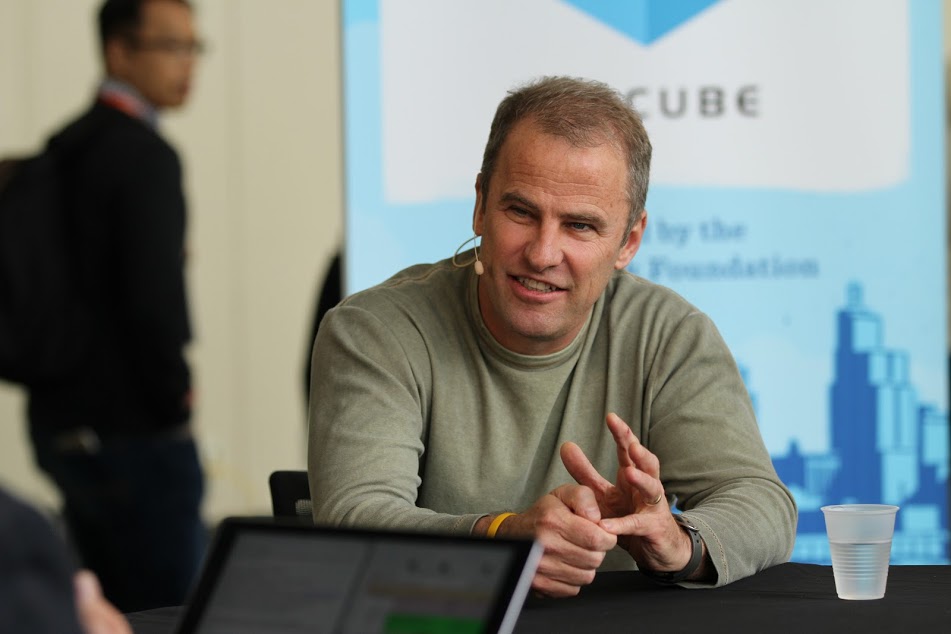
While organizations and projects may change, the open-source revolution is here, and there’s no turning back now. While the focus of this week’s OpenStack Summit in Boston, Massachusetts, is open-source technology, there is more going on than that, according to Brian Stevens (pictured), chief technical officer of Google Cloud at Google Inc.
“It’s really around open-source as the accepted foundation and substrate for IT computing, up the stack,” Stevens said. He also doesn’t think any of the hyperscale cloud companies would exist without open source and Linux.
During OpenStack Summit, Stevens joined host Stu Miniman (@stu) and guest host John Troyer (@jtroyer), of theCUBE, SiliconANGLE Media’s mobile live streaming studio, to discuss open-source, the different focuses in an organization when it comes to delivering services and how Google manages operations.
“As a public cloud provider, with the enterprise, you end up having multiple conversations,” Stevens said.
The primary audience is usually the information technology team, so it’s a mission of earning trust and getting them to understand the tools, strategies and commitment to the enterprise, he stated. Then there’s the chief executive officer, who is primarily concerned about security, risk and compliance. With the addition of capabilities like machine learning, it becomes a matter of building solutions for lines of business. However, all of these conversations and their outcomes must eventually “marry together” and support each other, Stevens added.
When delivering high-speed software, there is usually a six-to-nine-month validation phase to bring in a new operating system and test it thoroughly, Stevens explained. Part of the “magic of cloud” is the removal of that validation window, but there’s a need to still guarantee the same results, he said.
Therefore, Google took a page out of its Site Reliability Engineering playbook and came up with the Customer Reliability Engineering team. It is similar to SRE, but it works directly with end users. Stevens explained that even though public cloud has “moved the layers up,” enterprises still have the same issues because they must deliver critical applications and workloads on top. The CRE helps keep those workloads running, managing for availability and service-level objectives, he concluded.
Watch the complete video interview below, and be sure to check out more of SiliconANGLE’s and theCUBE’s independent editorial coverage of OpenStack Summit 2017 Boston.
Support our mission to keep content open and free by engaging with theCUBE community. Join theCUBE’s Alumni Trust Network, where technology leaders connect, share intelligence and create opportunities.
Founded by tech visionaries John Furrier and Dave Vellante, SiliconANGLE Media has built a dynamic ecosystem of industry-leading digital media brands that reach 15+ million elite tech professionals. Our new proprietary theCUBE AI Video Cloud is breaking ground in audience interaction, leveraging theCUBEai.com neural network to help technology companies make data-driven decisions and stay at the forefront of industry conversations.