



 NEWS
NEWS
NEWS
NEWS
NEWS

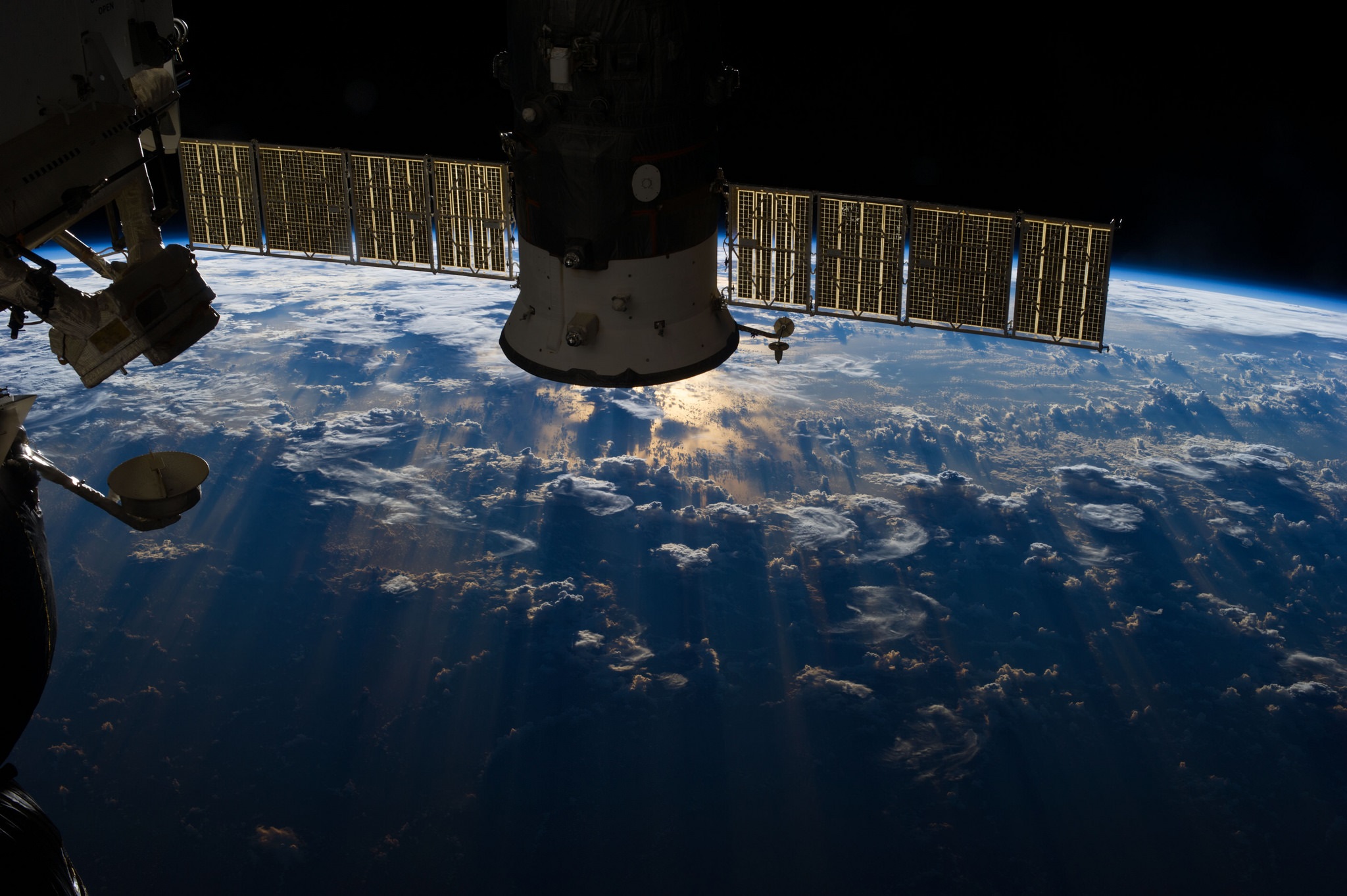
Imagine drifting through space and not having to leave the cloisters of your familiar armchair. That could soon be a reality following a deal struck up between SpaceVR and NanoRacks LLC – a company that develops products and offers services for the International Space Station (ISS).
SpaceVR, whose mission is to bring space tourism to the public without having to leave terra firma, just recently signed a launch agreement with NanoRacks to send the world’s first virtual reality camera satellite, Overview 1, into space. The satellite will first be sent to ISS aboard the SpaceX CRS-12 Mission and later from the NanoRacks CubeSat Deployer (NRCSD) be deployed into Low Earth Orbit.
In a press release Space VR said it, “Aims to give everyone the opportunity to experience the truly infinite, boundless Universe through virtual reality.” Overview 1 will be equipped with 4K sensors and fully immersive 360-degree video to make this dream come true. Anyone with a VR headset such as the Oculus Rift or Samung VR will be able to to experience this next frontier in virtual reality – providing you buy a subscription.
SpaceVR’s first plan to send a VR camera into space was thwarted after a Kickstarter campaign didn’t raise the necessary funds, but after being funded $1.25 million in April this year the plan changed and the idea for the satellite was born. The major difference is that SpaceVR will now have complete control over the satellite, rather than have to rely on astronauts – with limited time on their hands – using cameras.
In an interview with The Verge, SpaceVR CEO Ryan Holmes said, “We have a radio, we have an attitude control system, we have reaction wheels and gyroscopes that maintain stability, and we have flight controller software that tells the satellite what to do and when.” Holmes went on to say that in the beginning the satellite will capture several two-minute time-lapse clips on a weekly basis, but the objective is to make space available to VR users 24/7.
So far only a handful of space tourists have actually been flown into space, and the holiday wasn’t exactly cheap, starting at $20 million for a ticket. VR might be the next big thing, but in terms of costs it’s also becoming the next best thing. After all, who hasn’t dreamed of floating in space?
Support our mission to keep content open and free by engaging with theCUBE community. Join theCUBE’s Alumni Trust Network, where technology leaders connect, share intelligence and create opportunities.
Founded by tech visionaries John Furrier and Dave Vellante, SiliconANGLE Media has built a dynamic ecosystem of industry-leading digital media brands that reach 15+ million elite tech professionals. Our new proprietary theCUBE AI Video Cloud is breaking ground in audience interaction, leveraging theCUBEai.com neural network to help technology companies make data-driven decisions and stay at the forefront of industry conversations.