
 NEWS
NEWS
NEWS
NEWS
NEWS

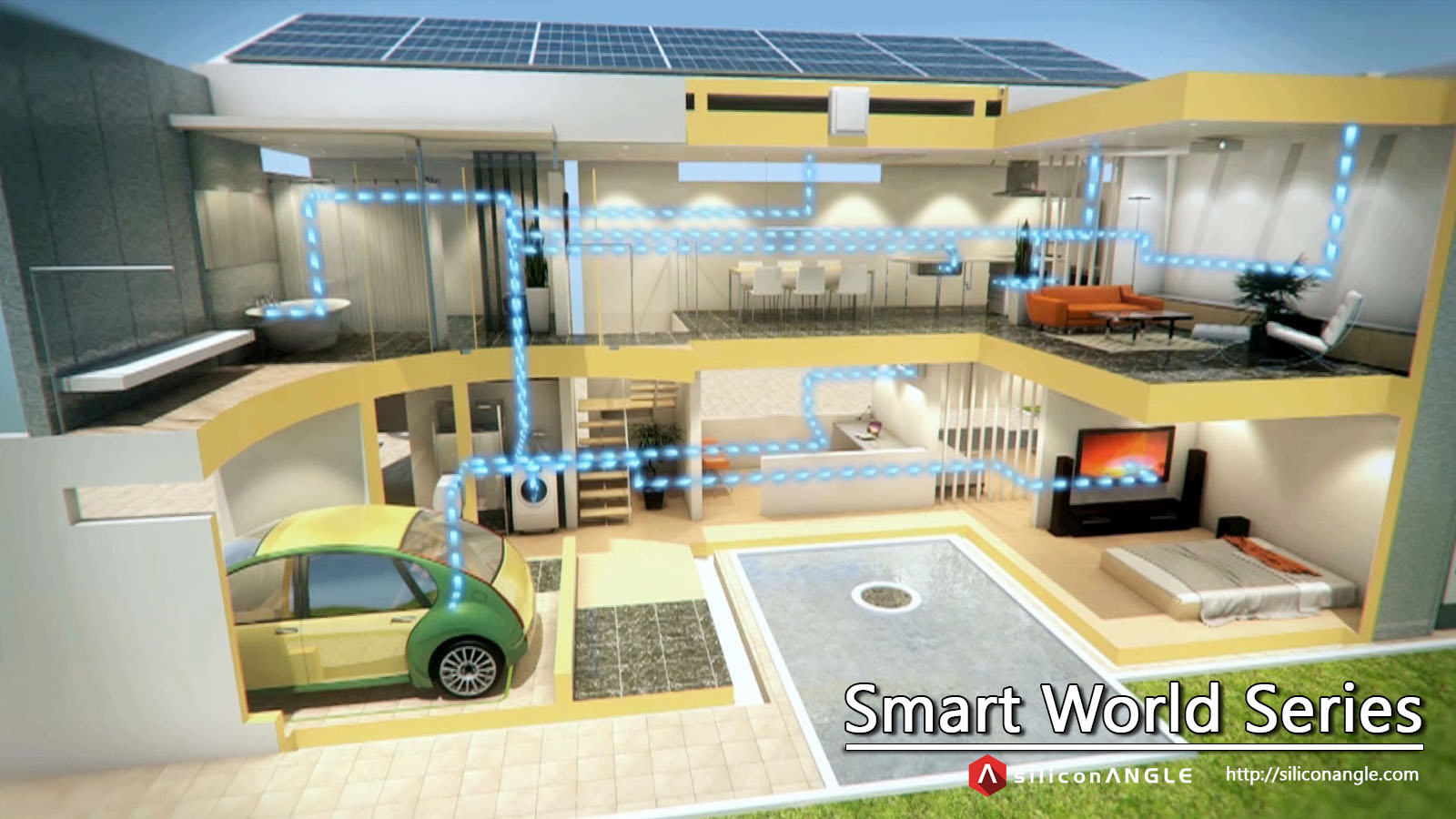
 As technology continues to advance with each passing day, the focus on upping the ante on consumer convenience has never been higher. Simple products have evolved into high-tech gadgets with the primary purpose of making our lives easier.
But do these gadgets really make life more convenient? We fondly recall the days of analog home objects in this roundup of smart gadget alternatives, while also taking a look at the negative effects our always-on and connected culture truly affords us.
For starters, let’s take a quick look at smart meters. These devices promised to help consumers keep track of their electricity consumption in real time in the hopes of lowering energy usage. But according to a report published in the journal American Economic Review, smart meters haven’t actually changed people’s behavior when it comes to energy consumption. Consumers don’t usually access the data in real time, and even if they do, many don’t know how to interpret the data.
“Initially, I had pretty high hopes,” said Carrie Armel in a Durango Herald article. Armel is a research associate at the Precourt Energy Efficiency Center at Stanford University and a leader of a new wave of behavioral research on energy use. “I think the technology has a lot of potential. In retrospect, in that nobody has really leveraged the technology along with efficient behavioral techniques, I find it’s not surprising that we didn’t find rate savings.”
And what about the “connected” products now launching with increasing regularity? Do we need that extra stress of worrying about checking our connected technology constantly?
 According to a series of studies conducted at the University of Gothenburg’s Sahlgrenska Academy, it was determined that people who frequently use their mobile devices to text, make calls, play games, read, watch videos, go on social media sites, etc., are more stressed and tired because their minds never get to rest.
“The negative impacts of this ‘always-on’ culture are that your mind is never resting, you’re not giving your body time to recover, so you’re always stressed,” according to Dr. Christine Grant, an occupational psychologist at Coventry University’s Center for Research in Psychology, Behavior and Achievement, in a BBC interview. “And the more tired and stressed we get, the more mistakes we make. Physical and mental health can suffer.”
Grant’s conclusions came from her own research that focused on constantly checking up on work-related tasks using a mobile device. And one can conclude that the same thing happens when using a smartphone or tablet to constantly check in on your connected home to find out if all the doors are locked, the house is secure, or if the pets are OK, etc.
So, the next time you reach for a new high-tech gadget, consider whether you really need it or if it’s just adding extra “noise” to your life.
Phone sanitizer
Did you know that your beloved smartphone is 18 times dirtier than a public restroom? To combat this, PhoneSoap created the PhoneSoap Charger, which sanitizes your phone, or any other object that fits inside the box, using two UV-C lamps. Just put your device in, wait for four minutes, and voila! Your smartphone has been sanitized. PhoneSoap also doubles as a phone charger and an alarm.
But to skip the gadget, you could always just wipe down your phone with an alcohol swab.
 Robot floor cleaners
Instead of using a plain, old broom to sweep dirty floors, some use a robot floor cleaner like the iRobot Braava. These robots can sweep, mop or polish the floor with little effort on your part. Then again, you could just pick up a broom.
Connected toothbrush
Remember when brushing your teeth entailed humming the “Alphabet Song” so you knew you brushed your teeth completely? Today, with connected toothbrushes like the Oral-B SmartSeries Bluetooth toothbrush, you can see if you applied enough pressure, focused on areas that needed to be thoroughly cleaned, and even send your dentist information if you changed your brushing habits. All this data can be seen on your smartphone in real time so you can adjust your brushing activity accordingly — all for the low price of $160!
Want to save some cash? Brush up on your A-B-Cs.
Connected door locks
Door locks have evolved as well, and there are now connected solutions, such as the Kevo and August, which allow you to unlock doors without using physical keys. You just need to pair your smartphone and the smart door lock via Bluetooth or Wi-Fi so it unlocks either when you touch the lock or when it makes the connection to your device when you approach the door.
If your smartphone is out of juice, you can use someone else’s phone to unlock the door using a special code, use a key fob that comes with the smart lock, or use the key to unlock it. But to skip the complexities of being locked out, the deadbolt has proven effective for centuries.
Support our mission to keep content open and free by engaging with theCUBE community. Join theCUBE’s Alumni Trust Network, where technology leaders connect, share intelligence and create opportunities.
Founded by tech visionaries John Furrier and Dave Vellante, SiliconANGLE Media has built a dynamic ecosystem of industry-leading digital media brands that reach 15+ million elite tech professionals. Our new proprietary theCUBE AI Video Cloud is breaking ground in audience interaction, leveraging theCUBEai.com neural network to help technology companies make data-driven decisions and stay at the forefront of industry conversations.