

The digital revolution is driven by data, and that information is valuable. Not only to the companies who collect it, but also to outsiders who can steal the data or hold it for ransom. Computer security is a vital and necessary part of the modern business world. However, not all data is equal when it comes to security. Deciding what data to secure, what data to leave open and who should have access to any given piece of information is a huge challenge.
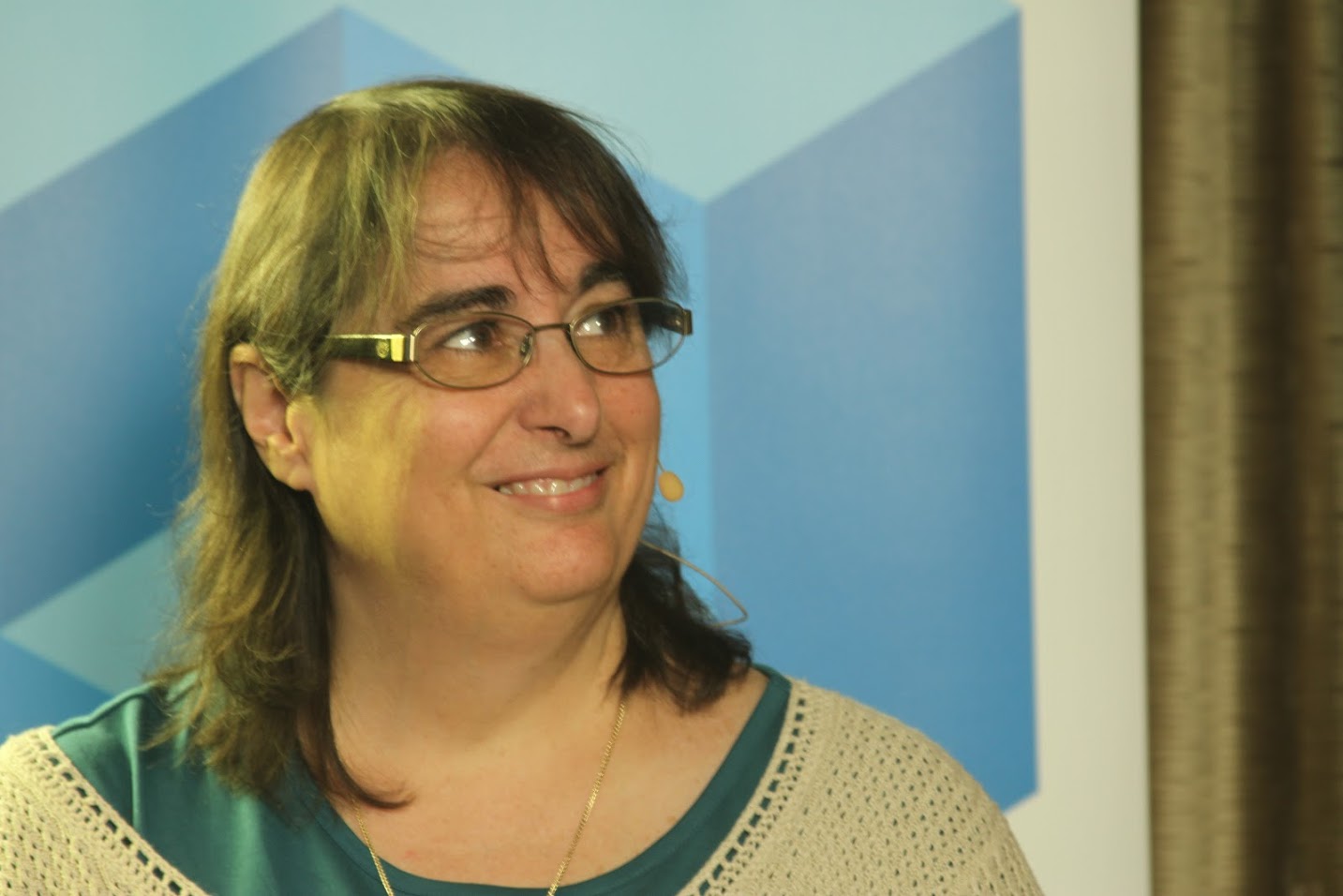
To talk about data security and storage, George Gilbert cohost of theCUBE, from the SiliconANGLE Media team, sat down with Paula Long, CEO of DataGravity, Inc., during the Structure 2015 conference.
The conversation started with a look at DataGravity and its products, which Long described as security at the point of storage. The idea was to apply rules and context to stored data to figure out what kind of security should apply.
Long explained a typical use case, where unstructured data could be filled with any sort of information, some valuable, some private, and some restricted to certain users. The company’s products would use context and tags to help secure this information. Customers, she said, included people with sensitive data like medical records and business intellectual property.
The security process involves user-created classifications and profiles, combined with automatic tags and context-aware systems. The result is a set of rules about who can access what data, applied directly to the data itself. This prevents classified data from spilling out into the wrong parts of the company.
The end user being responsible for tagging is problematic, Long mentioned, adding that the company’s products scan the data dynamically and classify it based on context. She said the software knows what the content is, who the users are and the content’s purpose. Not everyone will have a security officer, she said, so why not have software do it for you?
Watch the full interview below, and be sure to check out more of SiliconANGLE and theCUBE’s coverage of Structure 2015.
Support our mission to keep content open and free by engaging with theCUBE community. Join theCUBE’s Alumni Trust Network, where technology leaders connect, share intelligence and create opportunities.
Founded by tech visionaries John Furrier and Dave Vellante, SiliconANGLE Media has built a dynamic ecosystem of industry-leading digital media brands that reach 15+ million elite tech professionals. Our new proprietary theCUBE AI Video Cloud is breaking ground in audience interaction, leveraging theCUBEai.com neural network to help technology companies make data-driven decisions and stay at the forefront of industry conversations.