

 NEWS
NEWS
NEWS
NEWS
NEWS

The world is more connected than at any other point in history. These days it’s almost impossible to get on a bus or a subway or even walk into an office or school classroom without seeing someone playing with their smartphone, looking at cat pictures on Facebook, or tapping away like crazy while playing Candy Crush.
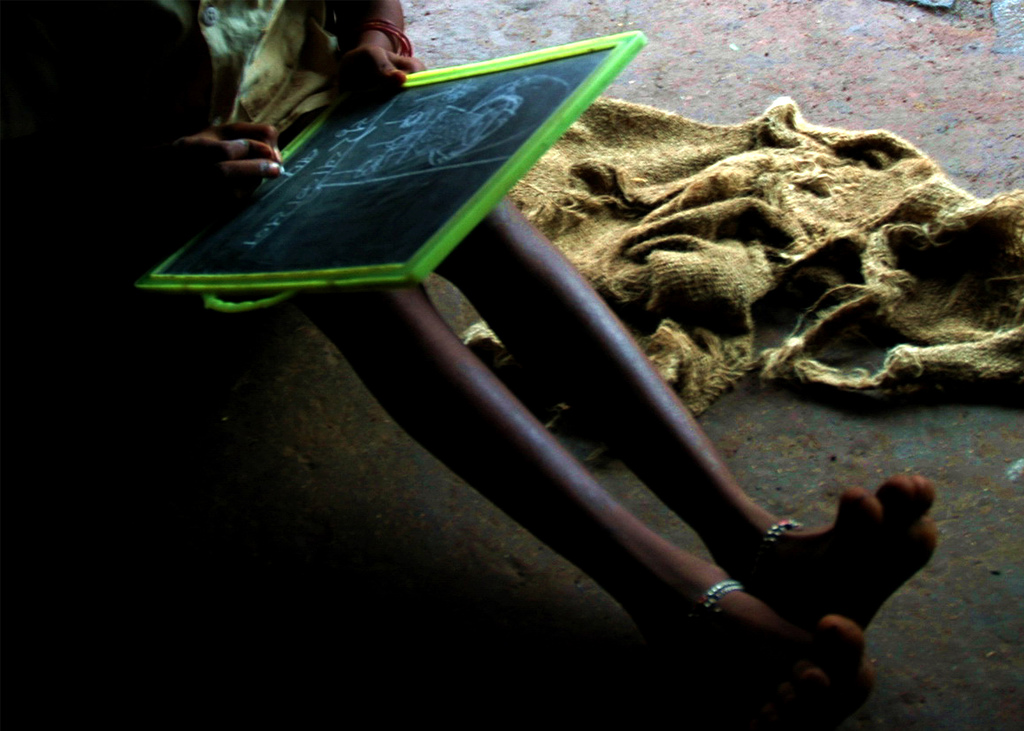
But despite this, there are more than four billion people who still can’t post cat pictures on Facebook, or any other site for that matter. These people cannot access the Web at all, and in many countries the vast majority of those unconnected souls haven’t even heard of the Internet.
This snapshot of the world’s access to the Internet comes by way of Facebook, the company behind the Internet.org initiative which has the noble goal of trying to get the entire population of the world online. Facebook says the aim is to bless those unconnected billions with the multitude of benefits Internet access provides, but of course it’s hoping many of those billions will also take a liking to cat memes and other nonsense posted on the world’s most famous social network.
“The Internet is a catalyst for broader social and economic advances through access to education, economic and employment opportunities, and even healthcare,” Facebook insisted in its State of Connectivity 2015 report. “It is a critical tool for development and should be available to everyone.”
It remains to be seen if ambitious projects like Facebook’s AMOS-6 satellites will be able to get the entire world online, but the number of connected people is definitely growing. According to Facebook’s research, there were 3.2 billion Internet users in 2015, compared to just 2.9 billion in 2014. As such the number of people not online dropped from 4.3 billion to just 4.1 billion.
One problem Facebook needs to get around is that getting online costs money. “The less money you have, the less likely you are to be online,” the report notes.
In many developing nations, mobile devices are the only way to get online, but the cost of providing mobile services in remote, rural areas is two-to-three times higher than it is in cities, and people living in remote, rural areas are the least likely to have any money.
There’s also a worrying “gender gap” in many countries, where the number of connected guys vastly outnumbers connected girls. “In part because of unequal access to education and economic opportunities, girls and women remain disproportionately excluded from Internet use,” the report adds.
As well as providing connectivity to remote areas, Facebook will also need to educate people about the merits of the Internet if it’s to achieve its goal. According to the report, some three-quarters of Nigerians without Internet access haven’t even heard of the Web.
“In all countries except Brazil, less than 15 percent of unconnected people said they know what the Internet is,” said the report. “In Guatemala, that number was 60 percent; in Colombia it was 40 percent.”
But these facts aren’t putting Facebook off from trying. According to The Information, Facebook doubled its advertising spend in the last year, to more than $281 million. Much of that spending was focused on developing countries such as India and Indonesia.
“In addition to search ads, Facebook has also launched text and banner ads that can reach more low-tech-feature phones in developing countries,” The Information reported.
Support our mission to keep content open and free by engaging with theCUBE community. Join theCUBE’s Alumni Trust Network, where technology leaders connect, share intelligence and create opportunities.
Founded by tech visionaries John Furrier and Dave Vellante, SiliconANGLE Media has built a dynamic ecosystem of industry-leading digital media brands that reach 15+ million elite tech professionals. Our new proprietary theCUBE AI Video Cloud is breaking ground in audience interaction, leveraging theCUBEai.com neural network to help technology companies make data-driven decisions and stay at the forefront of industry conversations.