

 NEWS
NEWS
NEWS
NEWS
NEWS

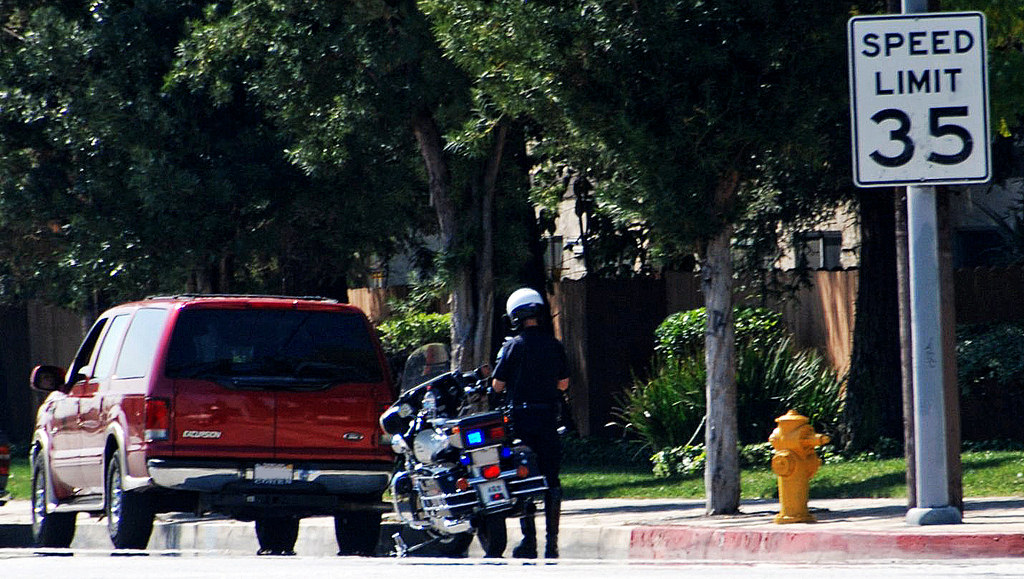
Received a speeding ticket via email lately?
First, the vast majority of Police Departments do not email speeding tickets, but secondly, you may also have malware installed on your mobile phone.
Although not officially confirmed, police in Pennsylvania believe that a “free mobility or traffic APP” may have been utilized in a new scam which sees people targeted with official looking speeding tickets sent via email.
The standout part of the fakes tickets, and why it’s believed to involve an app, is that they include data on the name of the driver, their vehicle and, more importantly, accurate details of where they were driving at what time and how fast they were going; basically, an unsuspecting victim would look at the ticket and think it was legitimate due to the fact the details were correct.
Notices received demand that the victim pays a fine before a due date and directs them to download an “infraction statement,” which is actually malware that once installed hijacks the victim’s computer.
“A local corporation contacted the police department advising that an employee had received an email indicating that he/she was speeding on local roads and needed to remit funds (in the form a fine) to “Citation@safe-browsing.com” which provided a link and attachments for sending the funds,” the Tredyffrin Police Departments says in a warning to locals.
“Local police departments as well as the district courts were made aware of this scam.”
The scary part of this scam is just how legitimate it would appear to those targeted, particularly given it provides accurate data of them speeding, be it pulled from their smartphones; we’ve progressed far beyond a Nigerian prince to a type of scam that even someone who knows what to look for could be fooled.
Given that authorities have not yet seemingly cross-referenced victims to work out which apps they have in common to try to narrow down the source of the data, that it’s a compromised app behind this is purely speculative at this stage; it could be that the problem is with a compromised server at the company who has made the app (presumably the company gathers data from users), rather than an app itself, but until more investigation is undertaken we’ll never know for sure.
Suffice to say that if you live in Pennsylvania, or anywhere else for that matter, and receive a legitimate-looking email claiming to be a speeding fine, don’t download whatever it claims to want you to, and if in doubt, contact local authorities.
Support our mission to keep content open and free by engaging with theCUBE community. Join theCUBE’s Alumni Trust Network, where technology leaders connect, share intelligence and create opportunities.
Founded by tech visionaries John Furrier and Dave Vellante, SiliconANGLE Media has built a dynamic ecosystem of industry-leading digital media brands that reach 15+ million elite tech professionals. Our new proprietary theCUBE AI Video Cloud is breaking ground in audience interaction, leveraging theCUBEai.com neural network to help technology companies make data-driven decisions and stay at the forefront of industry conversations.