

 NEWS
NEWS
NEWS
NEWS
NEWS

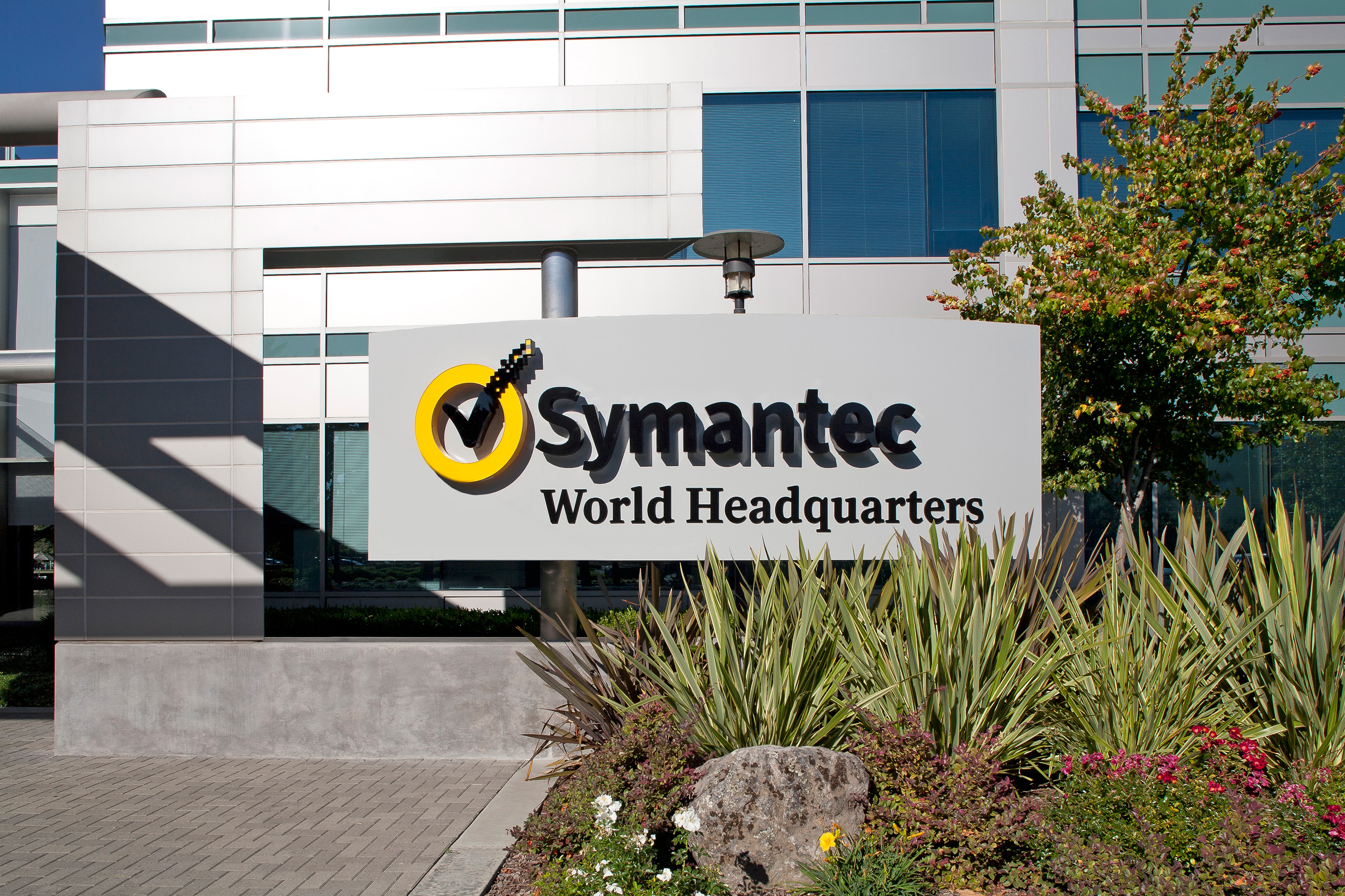
Mountain View-based cyber security firm Symantec Corp., best known for its Norton antivirus suite, has just unveiled its newest security system for “endpoint” devices such as laptops and smartphones.
Endpoint Security 14 is a major leap forward in security technology, the company says, thanks to its use of machine learning to fight exploits and coordinated attacks.
According to Symantec, machine learning allows Endpoint Security to recognize the patterns that could signify an attack and actively work to mitigate those threats in real time. The company says its software has a 99.9 percent efficacy rate with a low number of false positives, although it did not share what exactly that low number is. Symantec also noted that thanks to its increased reliance on the cloud of threat lookups, Endpoint Security 14 now boasts a 70 percent smaller footprint than its predecessor, making daily definition updates both smaller and faster.
“Symantec Endpoint Protection 14 is a major leap forward in endpoint protection, delivering the latest innovations in endpoint security on a single platform and from a security company you can trust,” Mike Fey, president and chief operating officer at Symantec, said in statement.
Machine learning and AI may offer a huge boost to computer security, but those same tools could also be used for the opposite purpose: to track down new vulnerabilities and exploit them before they can be plugged up. A common fear when it comes to AI is the idea that a computer could spontaneously become self-aware and declare war on humanity, but a more realistic a near-term threat is the possibility that a malicious AI could be created intentionally as a sort of super-powered computer virus.
Earlier this year, researchers at the University of Louisville in Kentucky published a research paper called “Unethical Research: How to Create a Malevolent Artificial Intelligence,” which outlines the conditions and environment that could lead to the creation of a malicious AI, either accidentally or intentionally. The researchers concluded that a lack of oversight on the AI research community is a particularly important risk factor, along with the creation of closed-source AI software that is understood by only a select few.
Of course, these factors are primarily relevant only for large companies conducting AI research such as Google or Facebook, as these high-powered tools are beyond the capabilities of a lone developer — for now.
Support our mission to keep content open and free by engaging with theCUBE community. Join theCUBE’s Alumni Trust Network, where technology leaders connect, share intelligence and create opportunities.
Founded by tech visionaries John Furrier and Dave Vellante, SiliconANGLE Media has built a dynamic ecosystem of industry-leading digital media brands that reach 15+ million elite tech professionals. Our new proprietary theCUBE AI Video Cloud is breaking ground in audience interaction, leveraging theCUBEai.com neural network to help technology companies make data-driven decisions and stay at the forefront of industry conversations.