

 BIG DATA
BIG DATA
BIG DATA

BIG DATA

A smorgasbord of “internet of things” connected devices — from consumer gizmos to industrial machines — keep flooding in. Do they amount to more than a confusing mess of unsecured things for manufacturers and businesses to manage? They can, if data from the devices is pooled and parsed with machine learning and artificial intelligence. That’s the idea behind applied IoT; smart businesses are pulling smart devices into a whole that is greater than the sum of its parts.
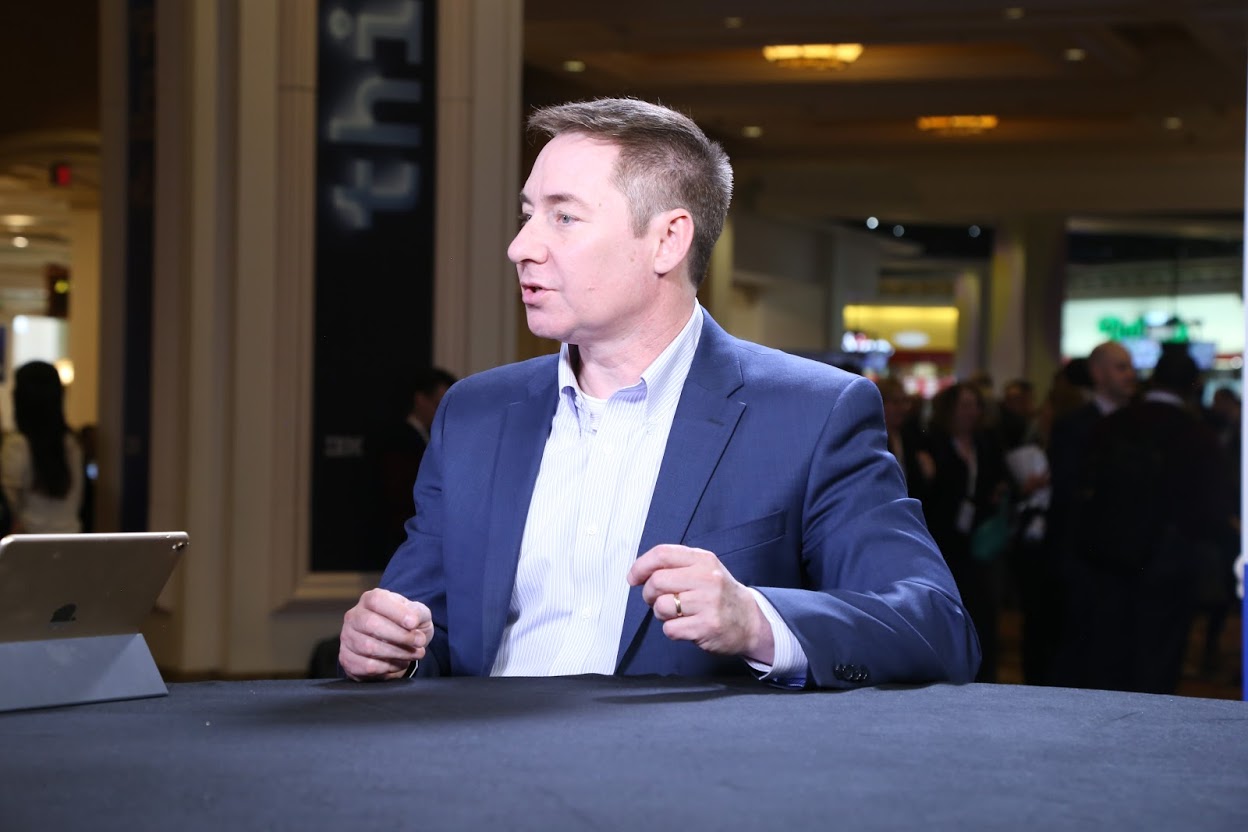
“Over the last couple years, people were talking about … we want to connect our thing — whatever the thing is, whether it’s an elevator or car or whatever,” said Bret Greenstein (pictured), global vice president of Watson IoT offerings at IBM Corp. Now that they’ve passed connectivity 101, the question is: What do they do with the devices; what is their ultimate value?
“… Customers are coming in talking about information, data and insights, and they want to know, ‘What should I do to get more of those insights?'” he added.
Greenstein spoke with Dave Vellante (@dvellante) and Lisa Martin (@LuccaZara), co-hosts of theCUBE, SiliconANGLE Media’s mobile livestreaming studio, at the IBM Think event in Las Vegas. They discussed the evolution of IoT and the business potential of pooling connected-device data streams. (* Disclosure below.)
This week, theCUBE spotlights Bret Greenstein in our Guest of the Week Feature.
Connectivity is changing the game across a range of industries. In automotive, for instance, established car manufacturers are outfitting vehicles with new software technologies. However, they are a bit hard-pressed to keep up with newfangled competitors, according to Greenstein. These disruptors are coming in with software-defined products that are digital by design and delivering superior user experiences.
“I don’t think people would have expected companies like Tesla to be so disruptive in automotive,” Greenstein said. “But coming in as electric changes the game without having to build on a hundred years of mechanical design, you’re building on some new principles.” In fact, digitization is tearing open new entry points in just about every market, he added.
At the risk of sounding like a broken tech-media record, the winners will be those who can make the data sing. IoT data from gazillions of devices is nothing if not messy; driving clear insights and business value from it requires advanced machine learning and AI technology, Greenstein pointed out. “It wasn’t long ago where ‘big data’ just meant writing an algorithm and looking across large volumes of data,” he stated. “But now we literally have algorithms whose job it is to find patterns, whose job it is to understand data from training and deliver an outcome that you couldn’t have prescribed before.”
Companies need to appreciate the power of machine learning to “comprehend” data in a way that previous technologies could not. “We’re able to take all of that data — structured data, numeric stuff coming off of devices and sensors, but [also] images, sound and vibration, even emotional content in people’s dialogue. All of that is relevant to the internet of things,” Greenstein said.
IBM is combining its Watson cognitive supercomuting system with technology from ecosystem partners to render user-ready products for IoT and more. One of these — announced at IBM’s Think conference — is called IBM Watson Services for Core ML. It integrates IBM’s Watson AI system with Apple’s Core ML machine learning framework. The goal is to allow developers to easily build iOS enterprise applications that learn from user activity and improve over time.
Another major announcement at Think was Cloud Private for Data, a data science and machine learning platform with an in-memory database and real-time processing engine. It is designed for developing event-driven applications that can crunch “torrents of data from things like internet of thing sensors, online commerce, mobile devices, and more,” the company said in a press release.
“My view is that this is the reinvention of the database,” Rob Thomas, general manager of analytics at IBM, told theCUBE. “You’d struggle to find anything comparable.”
At the Think conference, attendees could see IBM customers and partners put the companies’ technologies to practical use in IoT devices. For example a Jaguar Land Rover that uses IBM services in its handling of IoT data was on display.
“It makes all of this feel very real when you can walk up to and see a thing that’s infused with IoT and made better because of IBM,” Greenstein said.
Other real-world uses include Whirlpool Corp.’s integration of the Watson IoT platform into connected home appliances. The partnership has resulted in a 70-percent decrease in customer service time and up to a 50-percent reduction in projected service costs.
IBM is also working to enable IoT with partners in industry and healthcare. “We work with Jefferson Hospital, where they brought Watson into patients rooms, so you could ask questions like visiting hours or set the temperature,” Greenstein stated.
As for security hiccups, Greenstein admits that IoT raises the bar for security, and there remain difficult concerns that need addressing. The ratio of potential profit from IoT to possible security breeches is described in the statistics. Sixty-four percent of organizations have implemented some type of IoT strategy, according to Trustwave Holdings Inc.’s “IoT Cybersecurity Readiness Report.” Nonetheless, 62 percent are merely “somewhat” confident or not confident at all about the security of their IoT technologies.
“You’ve got these software-defined products that are connected, that are inherently vulnerable. Because they’re in the real world, they can be touched by other things,” Greenstein said. IBM focuses on building security services directly into its IoT platforms to minimize risks via various protections, updates, etc., he concluded.
Watch the complete video interview below, and be sure to check out more of SiliconANGLE’s and theCUBE’s coverage of the IBM Think event. (* Disclosure: TheCUBE is a paid media partner for IBM Think. Neither IBM, the event sponsor, nor other sponsors have editorial control over content on theCUBE or SiliconANGLE.)
Support our mission to keep content open and free by engaging with theCUBE community. Join theCUBE’s Alumni Trust Network, where technology leaders connect, share intelligence and create opportunities.
Founded by tech visionaries John Furrier and Dave Vellante, SiliconANGLE Media has built a dynamic ecosystem of industry-leading digital media brands that reach 15+ million elite tech professionals. Our new proprietary theCUBE AI Video Cloud is breaking ground in audience interaction, leveraging theCUBEai.com neural network to help technology companies make data-driven decisions and stay at the forefront of industry conversations.