

 SECURITY
SECURITY
SECURITY
SECURITY

An official with the U.S. Department of Homeland Security has warned a meeting of top state election officials to be cautious of hacking attempts targeting local and state election workers in the lead up to the 2020 elections.
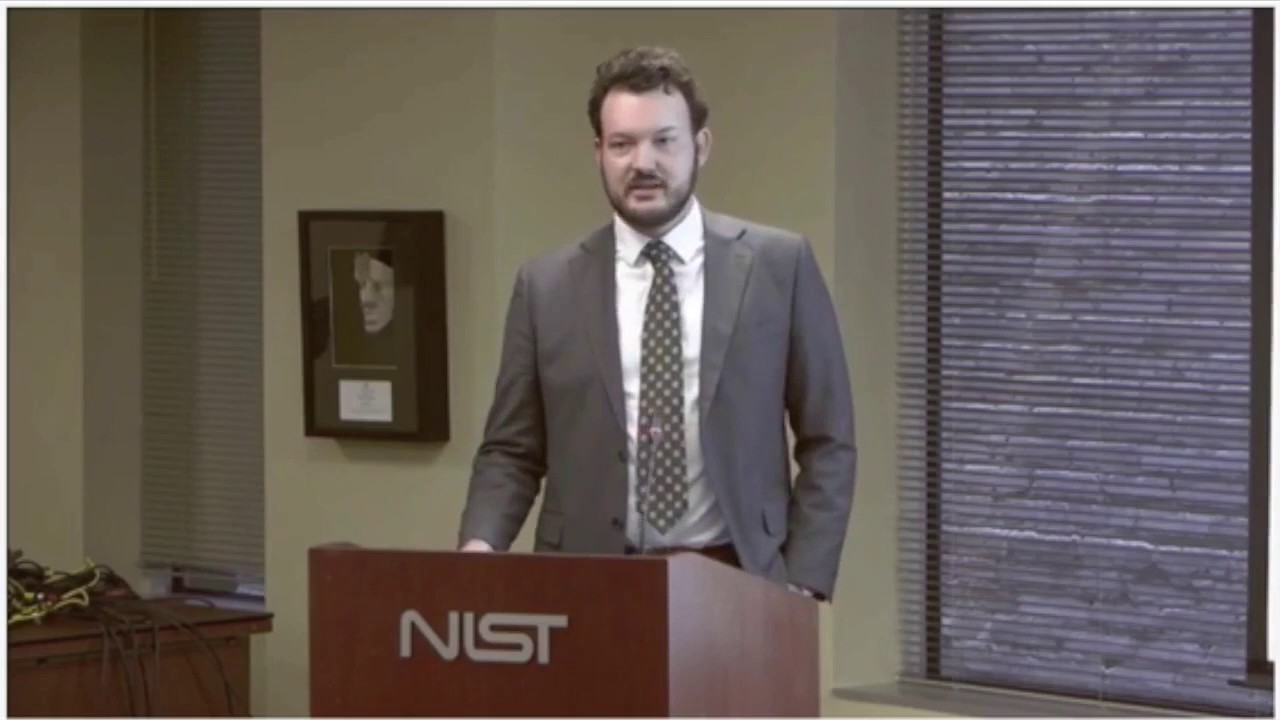
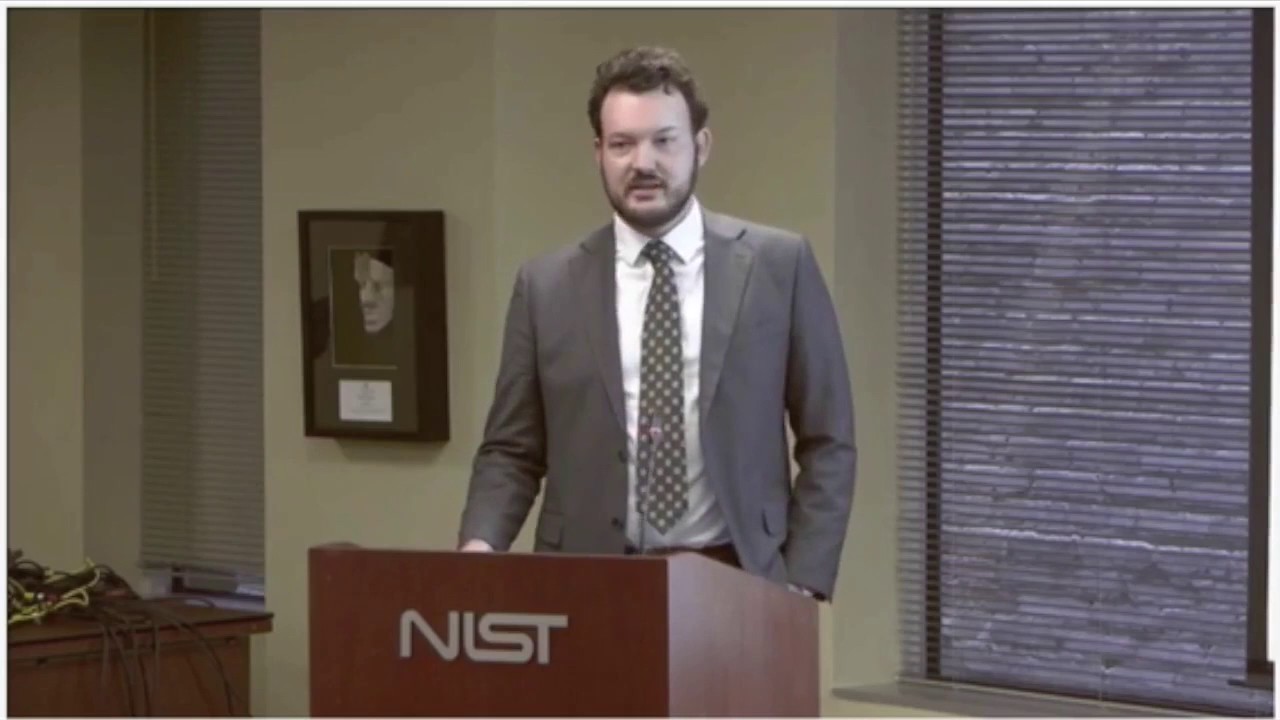
Geoff Hale (pictured), director of the DHS Election Security Initiative, told a meeting of secretaries of state on Tuesday that the nation’s decentralized voting systems remain especially vulnerable to emails that can trick unsuspecting workers into providing access to elections databases according to ABC News.
“We know that phishing is how a significant number of state and local government networks become exploited,” Hale said. “Understanding your organization’s susceptibility to phishing is one of the biggest things you can do.”
The warning follows widespread reports of attempted and successful attempts to hack and steal data during the 2016 election and 2018 midterms, which saw both sides of politics targeted. A report in 2017 found that 39 states had been targeted by Russian hackers with incursions into voter databases and software systems used by election officials.
Amir Ben-Efraim, co-founder and chief executive officer of cybersecurity firm Menlo Security Inc., told SiliconANGLE that this isn’t a new problem.
“If we think about why phishing is being used to target such a high-profile event such as the presidential election, it’s a simple answer: Phishing is effective,” Ben-Efraim said. “Despite the thousands of security measures created to avoid phishing, none of them completely eliminates the problem. Organizations of all sizes need to accept the fact that email and web activity will always make them susceptible to phishing attacks and a breach is inevitable.”
That’s why governments need to rethink their security approach, he said. “The ideal solution is to disconnect yourself from the internet, yet provide workers the ability to access the internet in an isolated environment.”
Ben-Efraim is a fan of the method, not surprisingly since his company offers an isolation platform. “This technique of internet isolation is becoming more widely adopted in private companies and government agencies,” he said.
Support our mission to keep content open and free by engaging with theCUBE community. Join theCUBE’s Alumni Trust Network, where technology leaders connect, share intelligence and create opportunities.
Founded by tech visionaries John Furrier and Dave Vellante, SiliconANGLE Media has built a dynamic ecosystem of industry-leading digital media brands that reach 15+ million elite tech professionals. Our new proprietary theCUBE AI Video Cloud is breaking ground in audience interaction, leveraging theCUBEai.com neural network to help technology companies make data-driven decisions and stay at the forefront of industry conversations.