 EMERGING TECH
EMERGING TECH
EMERGING TECH










EMERGING TECH

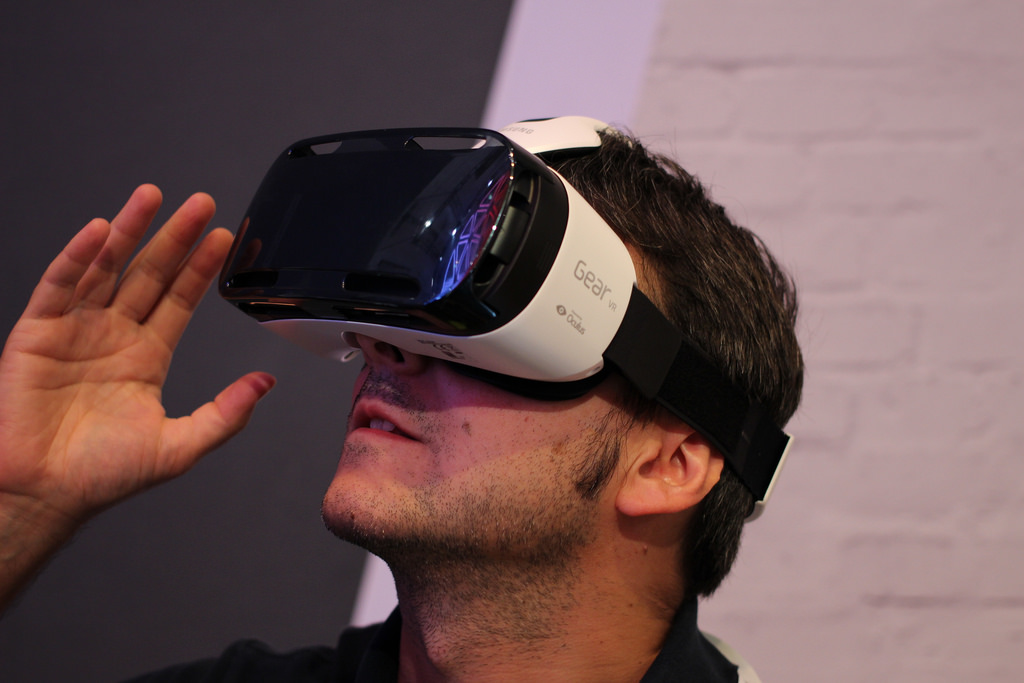
Mobile virtual reality, meant to be the next big thing only a handful of years ago, continues to die a slow death, as Samsung Electronics Co. Ltd. Thursday confirmed that its new Galaxy Note 10 and Galaxy 10 Plus will not work with its Gear VR headset.
The Samsung Gear VR was launched with much fanfare in November 2015 with support from Oculus, the Facebook Inc.-owned virtual reality headset and software maker. The device allowed Samsung users to place supported smartphones within the headset to create a virtual reality experience without the need to purchase a dedicated headset and an expensive PC to support it.
In the first few years post-launch, Gear VR was strongly supported and as of May 2016 was said to have passed 1 million users. New versions were launched in August 2016 and February 2017, but little has been heard of the headset since.
A report in September found that sales of screenless VR headsets, that is devices such as the Gear VR that require a smartphone to function, had plummeted as the interest in the sector died off. Samsung’s abandonment of support for the Gear VR by its most expensive, top-of-the-range devices is reflective of the broader market.
Officially Samsung is denying that it’s walking away from VR despite dropping support with the Note 10 and Note 10 Plus. “We remain committed to innovating in VR and AR to deliver incredible new experiences to our consumers,” the company told The Verge.
The decline and slow death of mobile VR isn’t a Samsung story alone. Google LLC, which arguably created mobile VR with its Cardboard product, has not only dropped support for VR in its latest phones but also seemingly abandoned its Daydream VR platform as well.
The broader VR market has fared much better. As companies such as Oculus and HTC Corp. continue to launch new headsets, the most generous thing you could say about VR is that it has a devoted niche audience. It’s not even especially arguable in 2019 to say that the promises surrounding the second coming of VR in the mid-2010s — two decades after the first one — has failed to live up to its hype.
Mobile augmented reality, on the other hand, seems to be catching on faster. On Thursday, for instance, Google augmented its Maps app with AR walking navigation, now called Live View, that uses a phone’s camera to enable people to find their way using digital arrows on the phone screen.
Support our mission to keep content open and free by engaging with theCUBE community. Join theCUBE’s Alumni Trust Network, where technology leaders connect, share intelligence and create opportunities.
Founded by tech visionaries John Furrier and Dave Vellante, SiliconANGLE Media has built a dynamic ecosystem of industry-leading digital media brands that reach 15+ million elite tech professionals. Our new proprietary theCUBE AI Video Cloud is breaking ground in audience interaction, leveraging theCUBEai.com neural network to help technology companies make data-driven decisions and stay at the forefront of industry conversations.