




 AI
AI
AI
AI
AI

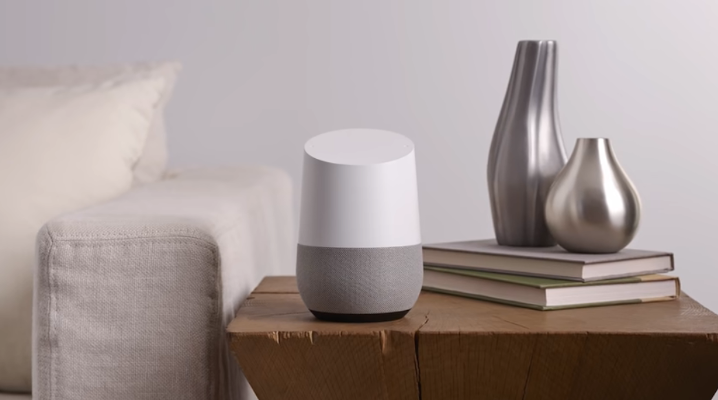
Google LLC today previewed a series of upcoming privacy changes to Google Assistant aimed at alleviating recent concerns about how the service processes user data.
The search giant employs contractors to listen to a portion of consumers’ conversations with the voice assistant and flag audio issues, such as misinterpreted commands. The program entered the spotlight in July when a staffer leaked over a thousand Google Assistant recordings to a Belgian broadcaster. Shortly thereafter, regulators launched a probe into the practice that forced the search giant to suspend human audio reviews.
The biggest change Google will make is to provide more transparency into data collection. The company only stores the audio of consumers who opt in to a “Voice & Audio Activity” option when installing Google Assistant, but until now, the setting didn’t make it clear recordings are accessible for humans. Google will update the interface to remedy the issue and ask existing users to reconfirm they agree to audio reviews.
The search giant will also reduce how much data it collects from the consumers who opt-in. “We will soon automatically delete the vast majority of audio data associated with your account that’s older than a few months,” Nino Tasca, a senior product manager with the Google Assistant group, wrote in the blog post announcing the changes.
The other enhancements focus on lowering the risk of unintended audio captures. Google plans to add a setting that will make it possible to dial Assistant’s sensitivity to activation phrases such as “Hey Google” up or down, thus reducing the chance of the service launching when it’s not supposed to. In the same spirit, the search giant will add new voice filters to prevent sensitive conversations from ending up on its servers.
Google didn’t specify how those filters will work. They might focus on deleting data such as Social Security numbers that can be used to identify users, which would be a natural place to start since the search giant already has a policy of anonymizing audio recordings.
Google will roll out the updates in the coming months. The news comes just weeks after Apple Inc. apologized over a similar audio review program it ran for Siri and pledged to add more privacy controls, most notably an opt-out option.
Support our mission to keep content open and free by engaging with theCUBE community. Join theCUBE’s Alumni Trust Network, where technology leaders connect, share intelligence and create opportunities.
Founded by tech visionaries John Furrier and Dave Vellante, SiliconANGLE Media has built a dynamic ecosystem of industry-leading digital media brands that reach 15+ million elite tech professionals. Our new proprietary theCUBE AI Video Cloud is breaking ground in audience interaction, leveraging theCUBEai.com neural network to help technology companies make data-driven decisions and stay at the forefront of industry conversations.