

 POLICY
POLICY
POLICY
POLICY

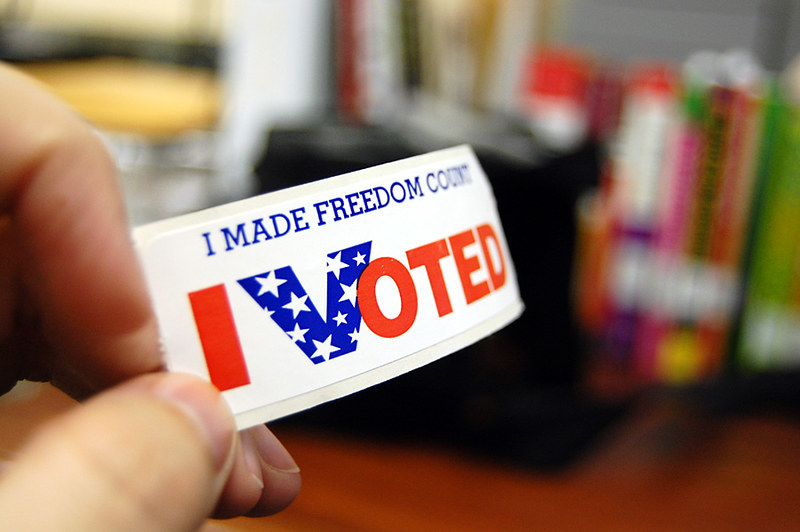
Despite ongoing criticism, Facebook Inc. said today that it will continue with its policy not to fact-check political ads on the run-up to the 2020 U.S presidential election.
Late last year, the company was roundly criticized for this policy, something that was condemned inside the company as well as from outside. Nonetheless, Facebook said it would not get into the business of censoring political content.
One thing the company did promise last year was more transparency, and in a blog post today Facebook outlined how that has now come to fruition. Rob Leathern, Facebook’s director of product management, said the Ad Library has now been updated so people can see what politicians are doing with their ads more clearly.
“The Ad Library is a unique tool to shine a light on political and social issue ads, a public archive that allows people to see all the ads politicians and campaigns are running on Facebook and Instagram and those that have run in the past,” said Leathern. “This is an important step in making political ads more transparent and advertisers more accountable.”
With the new updates people who go to the Ad Library will be able to see how many people the political ad wanted to reach. This part of the library will be called “Potential Reach.” Voters or researchers will also have better filters for the library, meaning they will be able more easily to look up things such as audience size, dates and regions reached.
Perhaps the biggest change is that later this month, Facebook will give users more control regarding who can reach them. People will be able to customize their ad experience, so they’ll be able to choose to see certain ads or see fewer of them. There will also be an option to see fewer political ads in general, which Facebook said has been requested often.
“There has been much debate in recent months about political advertising online and the different approaches that companies have chosen to take,” said Leathern. “While Twitter has chosen to block political ads and Google has chosen to limit the targeting of political ads, we are choosing to expand transparency and give more controls to people when it comes to political ads. “
He went on to say that the company will not start censoring political speech. Facebook’s approach is that people should be able to see everything, “warts and all,” unless the content breaches other policies such as hate speech.
Leathern added that Facebook realizes this position has provoked a lot of discussion. “We are not deaf to that and will continue to work with regulators and policy makers in our ongoing efforts to help protect elections,” he said.
Support our mission to keep content open and free by engaging with theCUBE community. Join theCUBE’s Alumni Trust Network, where technology leaders connect, share intelligence and create opportunities.
Founded by tech visionaries John Furrier and Dave Vellante, SiliconANGLE Media has built a dynamic ecosystem of industry-leading digital media brands that reach 15+ million elite tech professionals. Our new proprietary theCUBE AI Video Cloud is breaking ground in audience interaction, leveraging theCUBEai.com neural network to help technology companies make data-driven decisions and stay at the forefront of industry conversations.