
 INFRA
INFRA
INFRA
INFRA

INFRA

Data center sustainability has become increasingly vital as data centers are highly energy-intensive, significantly contributing to greenhouse gas emissions and climate change .
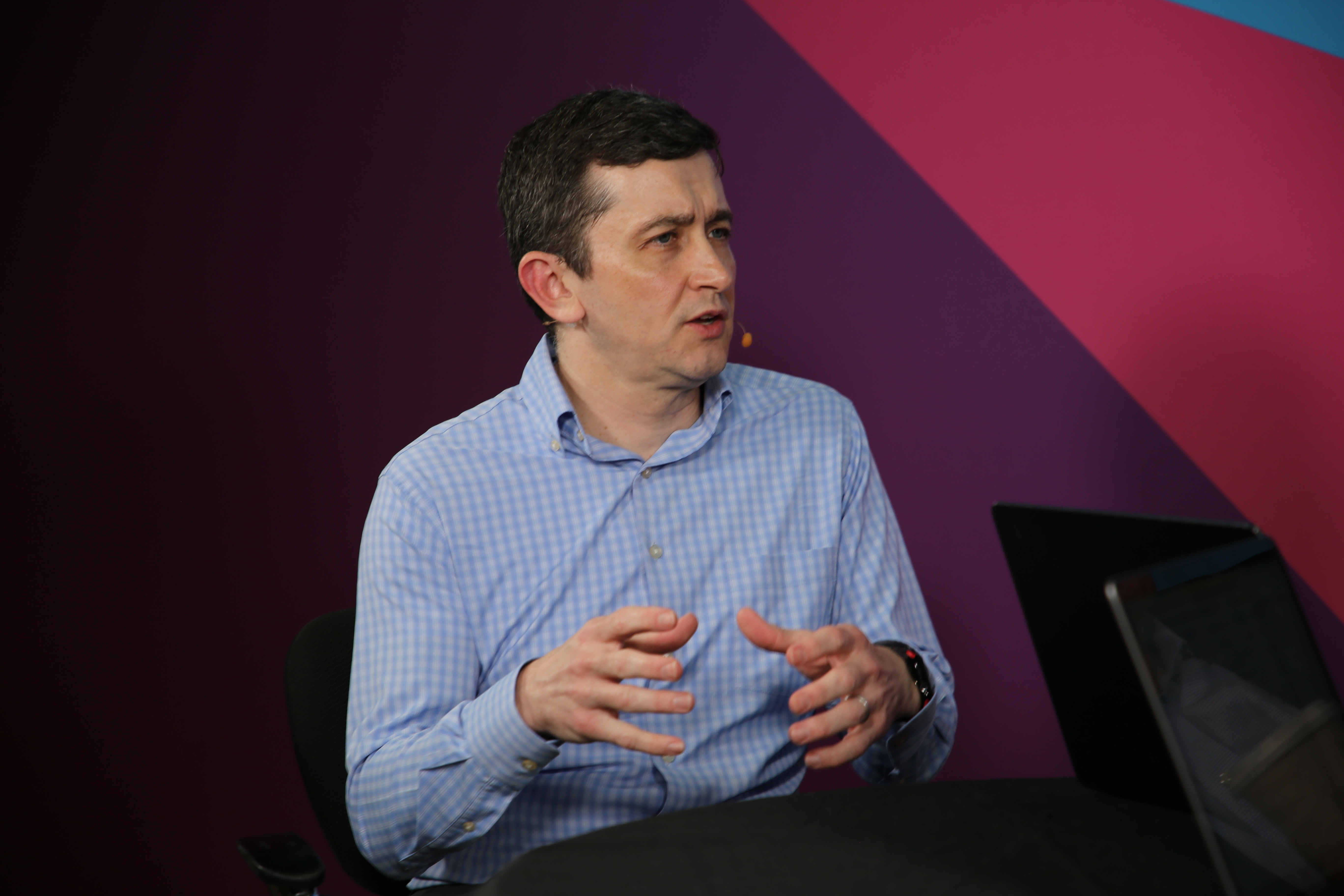
To address this concern, Amazon Web Services Inc. is pioneering innovative infrastructure design that dramatically enhances energy efficiency. The company is not only investing in renewable energy sources, but also implementing water conservation technologies, according to Kevin Miller (pictured), vice president of global data centers at AWS.
Kevin Miller talks with theCUBE about how AWS is enhancing data center sustainability.
“We’ve started to really use recycled water in the U.S., especially,” Miller said. “We have some pilot projects that we’re starting to expand, particularly coming out of Virginia. It’s an approach that we’ve used in other areas for a while, including Singapore, where we’ve actually made use of what they call industrial water, which is really harvested rainwater, and also the outflow from sewage treatment plants where it may not be potable water. We take that water, we make sure it’s clean and safe, and then we use it in the data center … it just avoids consuming potable water when you don’t need to.”
Miller spoke with theCUBE’s John Furrier and Scott Hebner at the AWS Summit Washington, DC event, during an exclusive broadcast on theCUBE, SiliconANGLE Media’s livestreaming studio. They discussed how AWS is enhancing data center sustainability. (* Disclosure below.)
AI improves data center sustainability by efficiently managing workloads and distributing them across servers, which helps avoid overloading and reduces unnecessary energy use. As a result, AI makes data centers smarter in their resource usage, according to Miller.
“We’re deploying a lot of AI capacity,” he said. “We’ve announced the coming availability of our P6 instances and continuing to scale up customers on Trainium. Even though there’s only been a few recent announcements, there’s been a tremendous amount of work all year to really continue scaling up that AI infrastructure, frankly at an unprecedented pace and that’s been pretty exciting, keeping the team very busy.”
As AI computing demands increase, so does the turnover of hardware, such as graphics processing units, central processing units and specialized chips. This is why sustainable design and recycling practices are essential to boost data center sustainability, Miller pointed out.
“With AI computing, one of the things we’re seeing is that the density of the racks is going way up, because the whole point of AI is you want to get as much GPU compute or accelerator compute in as small a physical space as you can,” Mille said. “So, that really drives the densities up, which drives the need for liquid cooling. Ultimately, that may allow us to simplify the data centers in some way … our focus is on having flexibility to make sure that we can deploy whatever comes, because we have a rough idea of the designs six or 12 months from now, but we know that that’s going to change.”
Here’s the complete video interview, part of SiliconANGLE’s and theCUBE’s coverage of the AWS Summit Washington, DC event:
(* Disclosure: TheCUBE is a paid media partner for the AWS Summit Washington, DC event. Neither Amazon Web Services Inc., the sponsor of theCUBE’s event coverage, nor other sponsors have editorial control over content on theCUBE or SiliconANGLE.)
Support our mission to keep content open and free by engaging with theCUBE community. Join theCUBE’s Alumni Trust Network, where technology leaders connect, share intelligence and create opportunities.
Founded by tech visionaries John Furrier and Dave Vellante, SiliconANGLE Media has built a dynamic ecosystem of industry-leading digital media brands that reach 15+ million elite tech professionals. Our new proprietary theCUBE AI Video Cloud is breaking ground in audience interaction, leveraging theCUBEai.com neural network to help technology companies make data-driven decisions and stay at the forefront of industry conversations.