



 APPS
APPS
APPS
APPS
APPS

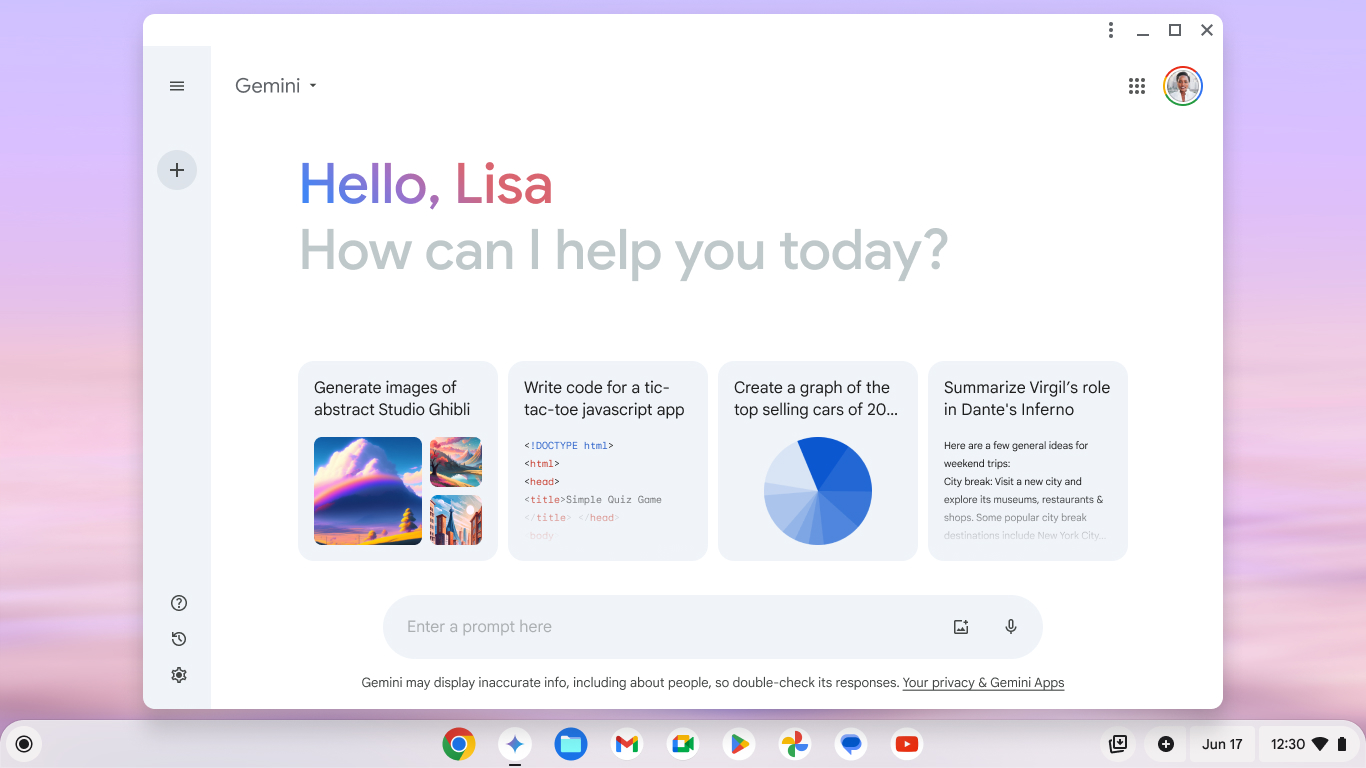
Google LLC plans to merge its ChromeOS and Android operating system, a company executive revealed on Friday.
Sameer Samat, the president of the Android ecosystem, divulged the plan in an interview with TechRadar. He stated that “we’re going to be combining ChromeOS and Android into a single platform.” Samat didn’t go into detail, but earlier announcements from Google may provide clues about the initiative’s technical goals.
ChromeOS and Android are both based on the Linux kernel. This is the part of the operating system that manages the underlying hardware and performs other essential tasks. Last June, Google announced plans to switch ChromeOS to the customized version of the Linux kernel that powers Android.
In parallel with the kernel revamp, the initiative will see Google add support for several unnamed Android frameworks to ChromeOS. Android frameworks are software toolkits that developers use to build apps.
The latest version of the mobile operating system, Android 16, ships with a feature called desktop mode. It can sync the apps on a smartphone’s screen to a standalone external monitor. In the future, Android 16’s ability to render mobile apps on a relatively large screen could provide a technical foundation for laptop support of the kind provided by ChromeOS.
Reports that Google may integrate Android with ChromeOS first emerged in November. At the time, Android Authority reported that the company was planning to ship the combined operating system with an upcoming Pixel-branded laptop. It’s believed the device will be positioned as an alternative to the MacBook Pro and Microsoft Corp.’s Surface Laptop.
It’s unclear whether existing ChromeOS laptops will be capable of running the combined operating system. Many of the machines feature Intel Corp. silicon, whereas Android is optimized for the Arm chips that power practically all handsets. Google might give Android better support for Intel processors as part of the integration with ChromeOS.
Alongside the operating system consolidation plan, Samat revealed that Google has overhauled the way it develops Android updates. The change, which rolled out about a year ago, enabled the search giant accelerate feature releases. It also helped Google more closely align the timing of those releases with new Android smartphone launches.
Combining Android and ChromeOS could enable the company to streamline its engineering efforts further. One operating system may prove less complicated to maintain than two, which would lower the associated costs. Additionally, removing the need to create separate versions of new features for Android and Chrome would likely speed up development.
Support our mission to keep content open and free by engaging with theCUBE community. Join theCUBE’s Alumni Trust Network, where technology leaders connect, share intelligence and create opportunities.
Founded by tech visionaries John Furrier and Dave Vellante, SiliconANGLE Media has built a dynamic ecosystem of industry-leading digital media brands that reach 15+ million elite tech professionals. Our new proprietary theCUBE AI Video Cloud is breaking ground in audience interaction, leveraging theCUBEai.com neural network to help technology companies make data-driven decisions and stay at the forefront of industry conversations.