 AI
AI
AI
AI












AI

Artificial intelligence is changing the cybersecurity landscape, giving attackers new tools while making it harder for defenders to keep up. At the same time, global rivalries and rapid cloud adoption are driving a surge in sophisticated threats across industries, creating new AI cybersecurity challenges that organizations must urgently confront.
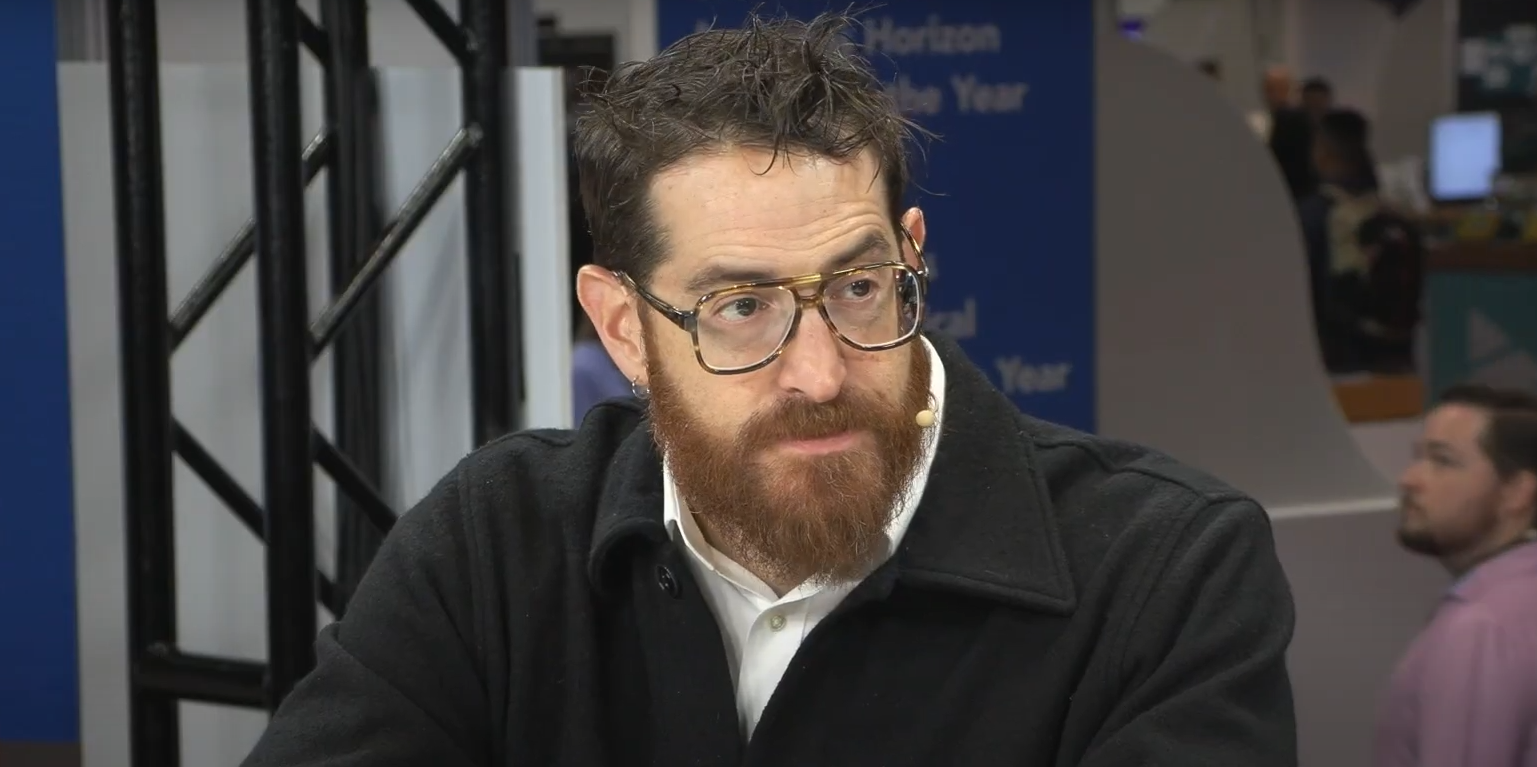
The threat landscape has undergone significant changes since AI tools became widely available to attackers. Sophisticated adversaries are leveraging AI to enhance malware and intrusion operations, according to Adam Meyers (pictured), head of Counter Adversary Operations at CrowdStrike Holdings Inc.

“We also see them using it to do information operations, disinformation, things like that, in multiple languages,” Meyers said. “As we see more and more AI with the ability to create video, it’s just going to get a lot worse.”
Meyers spoke with theCUBE’s Dave Vellante and Rebecca Knight at Fal.Con, during an exclusive broadcast on theCUBE, SiliconANGLE Media’s livestreaming studio. They discussed AI cybersecurity challenges and the urgent need for defenders to adopt AI at scale to keep pace with evolving threats. (* Disclosure below.)
These days, the problem is getting worse as AI enables adversaries to outpace defenders. This issue creates a growing asymmetry, since attackers only need to succeed once while defenders must be right every time, according to Meyers.
“The attacker only needs to get lucky once,” he said. “When they’re able to do that at the speed and scale that AI allows them to have, it becomes really problematic for the defenders.”
Still, there’s a path forward for defenders to out-innovate attackers. It comes down to Bruce Lee’s “Be like water” mantra, seeking the path of least resistance, according to Meyers.
“That’s what the attacker does,” he said. “If you look at how the threat landscape has changed over the last 18 months, we’ve made devices like your laptops a hard target with things like endpoint detection and response technology. What did the attacker do? They didn’t really try really hard to get around that. They moved to the identity space. They moved to unmanaged devices. Wherever we build a bigger wall or a taller fence, the adversary is looking for a way around it or under it.”
Defenders must harden identity systems and cloud environments to push attackers to the edges. The harder adversaries have to work, the greater the advantage for defenders, according to Meyers.
“The more we have to make them work, the better off it is,” he said.
Here’s the complete video interview, part of SiliconANGLE’s and theCUBE’s coverage of Fal.Con:
(* Disclosure: TheCUBE is a paid media partner for Fal.Con. Neither CrowdStrike Holdings Inc., the sponsor of theCUBE’s event coverage, nor other sponsors have editorial control over content on theCUBE or SiliconANGLE.)
Support our mission to keep content open and free by engaging with theCUBE community. Join theCUBE’s Alumni Trust Network, where technology leaders connect, share intelligence and create opportunities.
Founded by tech visionaries John Furrier and Dave Vellante, SiliconANGLE Media has built a dynamic ecosystem of industry-leading digital media brands that reach 15+ million elite tech professionals. Our new proprietary theCUBE AI Video Cloud is breaking ground in audience interaction, leveraging theCUBEai.com neural network to help technology companies make data-driven decisions and stay at the forefront of industry conversations.