








 AI
AI
AI
AI

AI

The rapid evolution of digital systems is forcing security architectures to think faster, act smarter and adapt on the fly. As organizations embed artificial intelligence deep into their software pipelines, the demand for seamless AI security integration has become impossible to ignore — a safeguard against data breaches, compliance gaps and model misuse that could derail innovation.
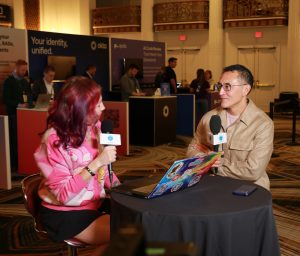
Boldstart Ventures’s Ed Sim talks with theCUBE about why AI security integration is critical for safeguarding innovation and data.
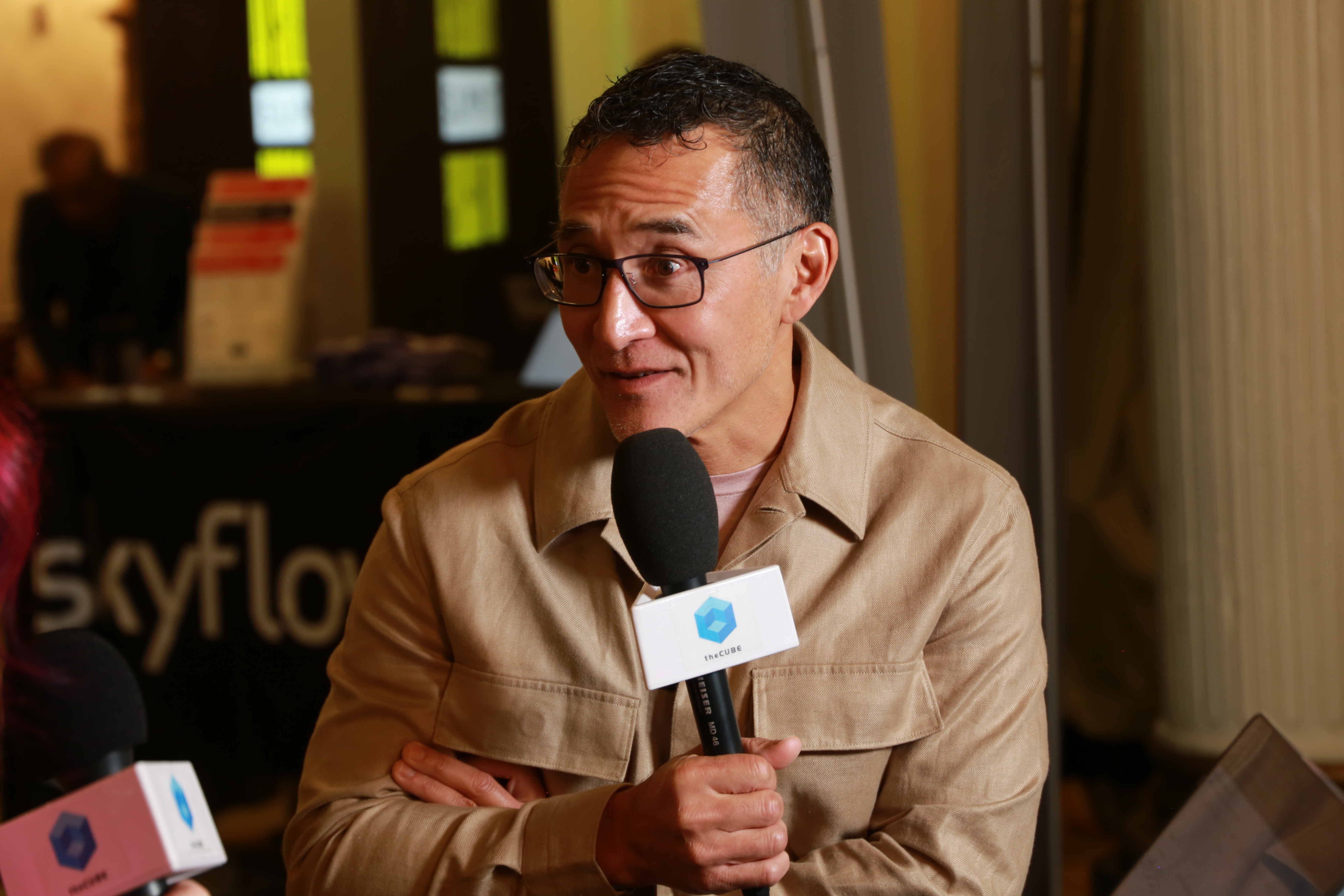
Snyk Evo, an agentic security orchestration system, is redefining how enterprises secure AI applications by combining autonomous orchestration, AI-native awareness and proactive, context-driven protection — enabling security that moves as intelligently as the systems it defends, according to Ed Sim (pictured), founder and general partner of Boldstart Ventures Management LLC.
“There are so many problems right now with these keys being sitting there in code,” Sim said. “I’m the first investor in Snyk on their board, and they announced Evo, which is their agent product. We do a lot of the things that you want to do to secure models, but if you don’t look at the code first, the code tells you what’s happening. It tells you that there are keys in here. It tells you that there’s MCP servers and endpoints. You need to scan the code first in order to then start protecting it.”
Sim spoke with theCUBE’s Jackie McGuire at The AI Security Summit, during an exclusive broadcast on theCUBE, SiliconANGLE Media’s livestreaming studio. They discussed Snyk Evo’s pioneering role in advancing AI security integration. (* Disclosure below.)
Unlike traditional reactive security tools, Snyk Evo is agentic — autonomously detecting, prioritizing and remediating threats before deployment. By catching vulnerabilities early and providing AI-contextual risk scoring instead of overwhelming alerts, it reduces exposure and streamlines developers’ workflows, according to Sim.
“Think about Evo as a swarm of agents doing work and each agent has a specific role,” he said. “You just need to make it easy for a security engineer or even for the developer, so they don’t even have to worry about it. I’ve been in this business investing in first rounds in these enterprise software startups for over 30 years, and I’ve never seen a technology take off with AI-assisted coding like it has.”
Securing AI in enterprises means addressing the unique vulnerabilities of AI models through multi-layered defenses — data protection, access control, adversarial testing, automated red teaming and agent security. By proactively navigating these risks, organizations can unlock AI’s full potential safely, Sim pointed out.
“The initial problem they were solving was trying to understand that anyone that was using AI models, people wanted to make sure how do you secure them.” he asked. “For example, what if I was downloading a model from Hugging Face and I wanted to make sure that there are no vulnerabilities in there? Fast-forward, we added other products like automated red teaming, some agent security and other things like that because we found that the largest companies wanted one vendor to help them solve more problems than just one.”
Here’s the complete video interview, part of SiliconANGLE’s and theCUBE’s coverage of The AI Security Summit:
(* Disclosure: TheCUBE is a paid media partner for The AI Security Summit event. Neither Snyk Ltd., the sponsor of theCUBE’s event coverage, nor other sponsors have editorial control over content on theCUBE or SiliconANGLE.)
Support our mission to keep content open and free by engaging with theCUBE community. Join theCUBE’s Alumni Trust Network, where technology leaders connect, share intelligence and create opportunities.
Founded by tech visionaries John Furrier and Dave Vellante, SiliconANGLE Media has built a dynamic ecosystem of industry-leading digital media brands that reach 15+ million elite tech professionals. Our new proprietary theCUBE AI Video Cloud is breaking ground in audience interaction, leveraging theCUBEai.com neural network to help technology companies make data-driven decisions and stay at the forefront of industry conversations.