

 AI
AI
AI
AI

AI

Cloud-native practices have matured into stable foundations, and the industry is accelerating toward an AI-native observability future. Observability is becoming essential for ensuring direction and measurable outcomes in this fast-paced environment.
Cloud-native and AI-native observability are reshaping workflows, data practices and engineering culture. With the rise of agentic systems, enterprises face unprecedented volumes of data and complexity, making observability indispensable for navigating this new landscape, according to Julie Neumann, chief marketing officer of Honeycomb.io.
“Just the pace of innovation … it does remind me of the move to the cloud at 10X speed,” she told theCUBE. “It’s crazy just to see how quickly we are moving. Absolutely, observability is critical in that space. The faster you’re moving, you need to make sure that you’re moving in the right direction [and that] you’re getting the right results. How can you trust the speed that AI is giving you? That’s where observability comes in.”
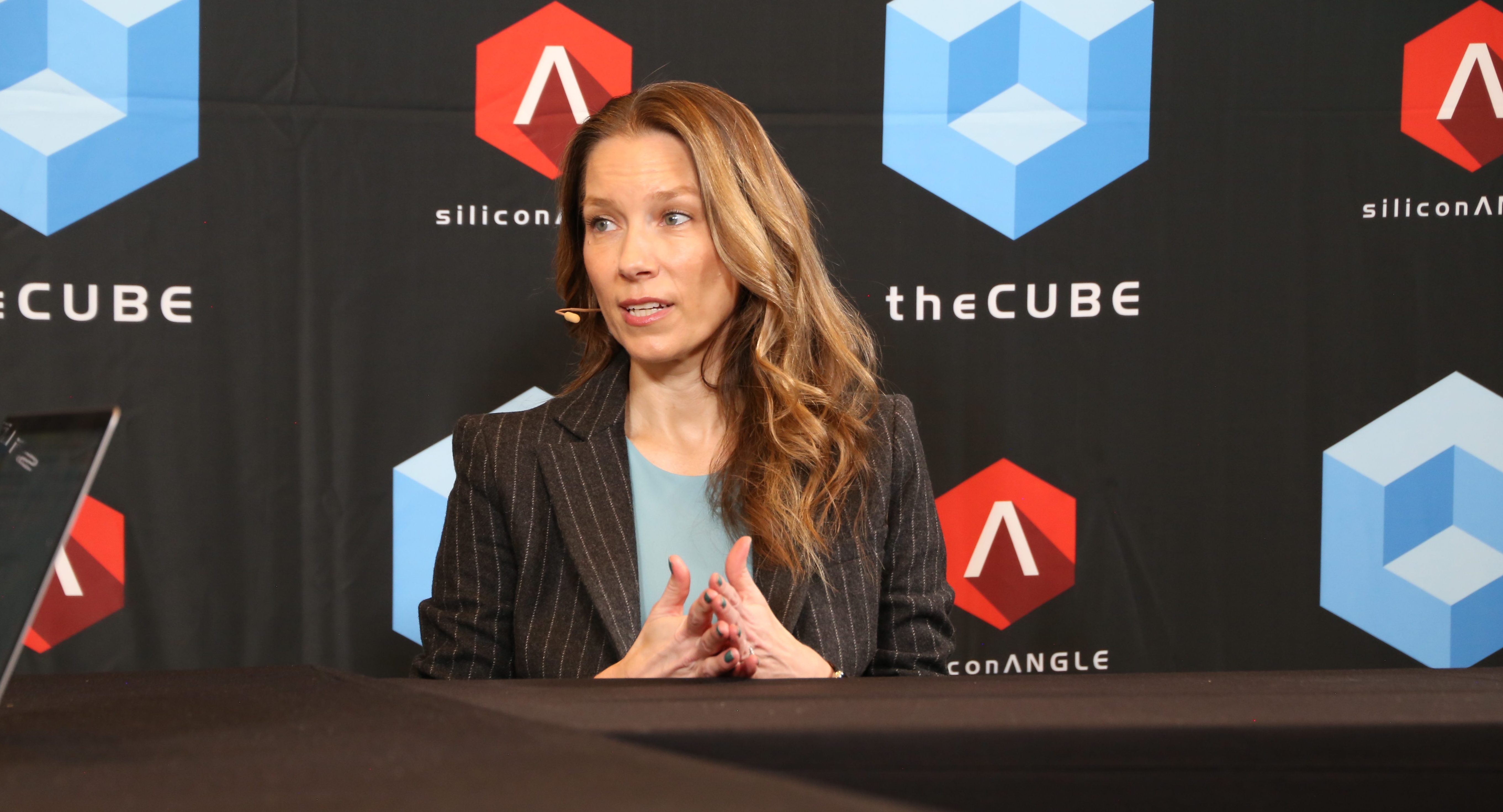
Neumann spoke with John Furrier at AWS re:Invent, during an exclusive broadcast on theCUBE, SiliconANGLE Media’s livestreaming studio. They discussed the intersection of observability, agentic workflows and enterprise adoption.
The rapid growth of AI-native observability builds on lessons learned from cloud-native development. Observability helps teams measure, evaluate and explain outcomes in increasingly complex, non-deterministic systems. As data accelerates from applications, user experiences and agentic workflows, observability becomes the foundation for understanding what’s happening across delivery lifecycles and production environments, according to Neumann.
“Data is also coming at you now at … another massive acceleration, and the amount of data you need to look at coming out of applications … the user experiences … your agentic workflows. Can you actually get in front of some of these issues? I think that is where observability really can make sense of a lot of that data now that’s coming in and helping people see what’s happening in production, what’s happening with my agents [and] what’s happening out in the world.”
The market now sees observability as a critical discipline, not just a toolset. Acquisitions such as Palo Alto Networks Inc.’s purchase of Chronosphere Inc. underscore the importance of outcomes and clarity in AI-native observability, according to Neumann. Observability is increasingly recognized as a discipline that helps enterprises manage non-deterministic systems, align accelerated innovation with user experiences and maintain confidence in production environments.
“When you think about the Chronosphere acquisition … we see a lot of really strong validation in the market right now for how critical observability is,” Neumann said. “AI gets you speed, but you need trust. How can you get a better handle on what is actually going to be happening in production and how you’re going to be taking this really accelerated innovation and applying it in the correct direction and getting the outcomes that you want for your end users, for your teams?”
The shift from DevOps to AI-native observability is an evolution, not a conflict, Neumann pointed out. Established engineering disciplines are merging with new approaches, creating integrated systems that balance proven methods with fresh innovation. This integration allows teams to update established methods, question legacy processes and adopt new techniques without losing the rigor that has long defined successful engineering.
“There is a lot that you can learn from traditional DevOps practices, and I think there is also a lot of things that traditional DevOps people are learning on,” Neumann said. “Once we really start to see these things becoming truly integrated systems, I think that’s where it’s going to get really interesting.”
Here’s the complete video interview, part of SiliconANGLE’s and theCUBE’s coverage of AWS re:Invent:
Support our mission to keep content open and free by engaging with theCUBE community. Join theCUBE’s Alumni Trust Network, where technology leaders connect, share intelligence and create opportunities.
Founded by tech visionaries John Furrier and Dave Vellante, SiliconANGLE Media has built a dynamic ecosystem of industry-leading digital media brands that reach 15+ million elite tech professionals. Our new proprietary theCUBE AI Video Cloud is breaking ground in audience interaction, leveraging theCUBEai.com neural network to help technology companies make data-driven decisions and stay at the forefront of industry conversations.