















 POLICY
POLICY
POLICY
POLICY

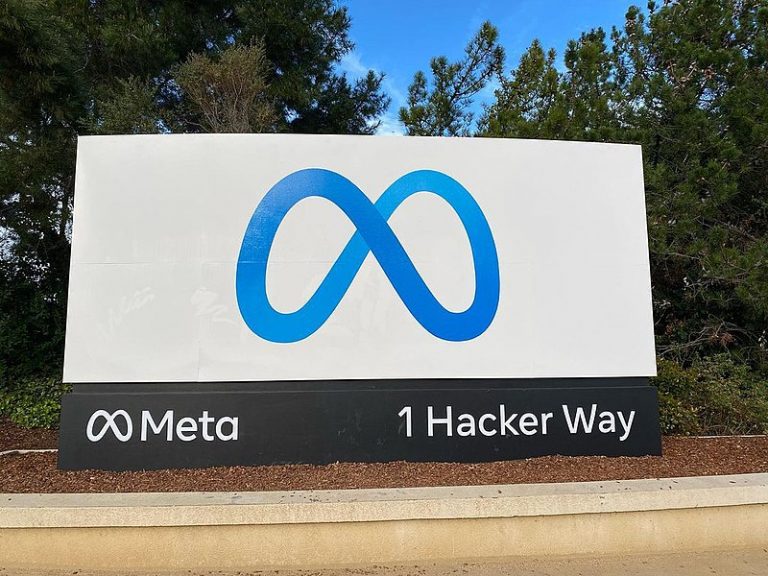
Meta Platforms Inc.’s proposed $2 billion acquisition of the Chinese-founded but now Singapore-based artificial intelligence startup Manus hasn’t gone unnoticed, as the deal is reportedly being scrutinized by Beijing regulators over alleged export control law violations,.
But it’s unclear whether they’d be able to prevent the acquisition from going ahead. The Financial Times reported that Chinese authorities are reviewing if the acquisition violates Chinese laws regarding the export of critical technologies, and whether Manus needed to secure an export license before making its move to Singapore last year.
Manus, which made headlines last March for its AI agent platform that’s able to perform complicated tasks such as creating resumes, writing software applications and designing and building websites, moved to Singapore last summer following a $75 million funding round led by the U.S. venture capital firm Benchmark. When that deal was announced, U.S. Senator John Cornyn raised concerns in a post on X, prompting the Treasury Department to investigate if Benchmark had violated rules restricting Americans from investing in Chinese AI firms.
As the Wall Street Journal reported, the concerns prompted Manus to relocate to Singapore to avoid the scrutiny, and that move has since been repeated by a number of other Chinese AI startups. Indeed, it has become so common that the practice has been termed “Singapore washing,” where companies relocate to avoid geopolitical scrutiny. But China is reportedly not so happy about this trend.
Winston Ma, a professor at New York University School of Law and partner at Dragon Capital, told the Financial Times that if Meta is allowed to proceed with the acquisition of Manus, it could encourage more Chinese AI startups to relocate, potentially draining the country of talent.
If Chinese regulators decide that Manus should have obtained an export license to move to Singapore, it could mean the startup’s founders end up facing criminal charges, potentially stalling or even scuppering the acquisition entirely.
This isn’t the first time China has resorted to using export control mechanisms to prevent the loss of key technology companies. During U.S. President Donald Trump’s first term, it relied on similar laws to intervene in an attempt to ban TikTok.
However, Chris McGuire, a senior fellow for China and emerging technologies at the Council on Foreign Relations, told the Financial Times that Meta’s acquisition of Manus shows Washington’s investment restrictions are proving beneficial because they’re forcing China’s top AI talents to defect from their home nation in search of better funding opportunities. “The U.S. AI ecosystem is currently more attractive,” he said.
It’s too soon to tell if China has enough leverage to derail Meta’s plans to acquire Manus, but the road ahead is likely not going to be as smooth as the company had hoped.
Support our mission to keep content open and free by engaging with theCUBE community. Join theCUBE’s Alumni Trust Network, where technology leaders connect, share intelligence and create opportunities.
Founded by tech visionaries John Furrier and Dave Vellante, SiliconANGLE Media has built a dynamic ecosystem of industry-leading digital media brands that reach 15+ million elite tech professionals. Our new proprietary theCUBE AI Video Cloud is breaking ground in audience interaction, leveraging theCUBEai.com neural network to help technology companies make data-driven decisions and stay at the forefront of industry conversations.