
 AI
AI
AI
AI

AI

As enterprises race to deploy artificial intelligence, the focus is shifting from isolated tools to production-ready AI infrastructure that can deliver results at scale. In the process, companies are rethinking not just their technology architecture, but also the operating models needed to support AI in the real world.
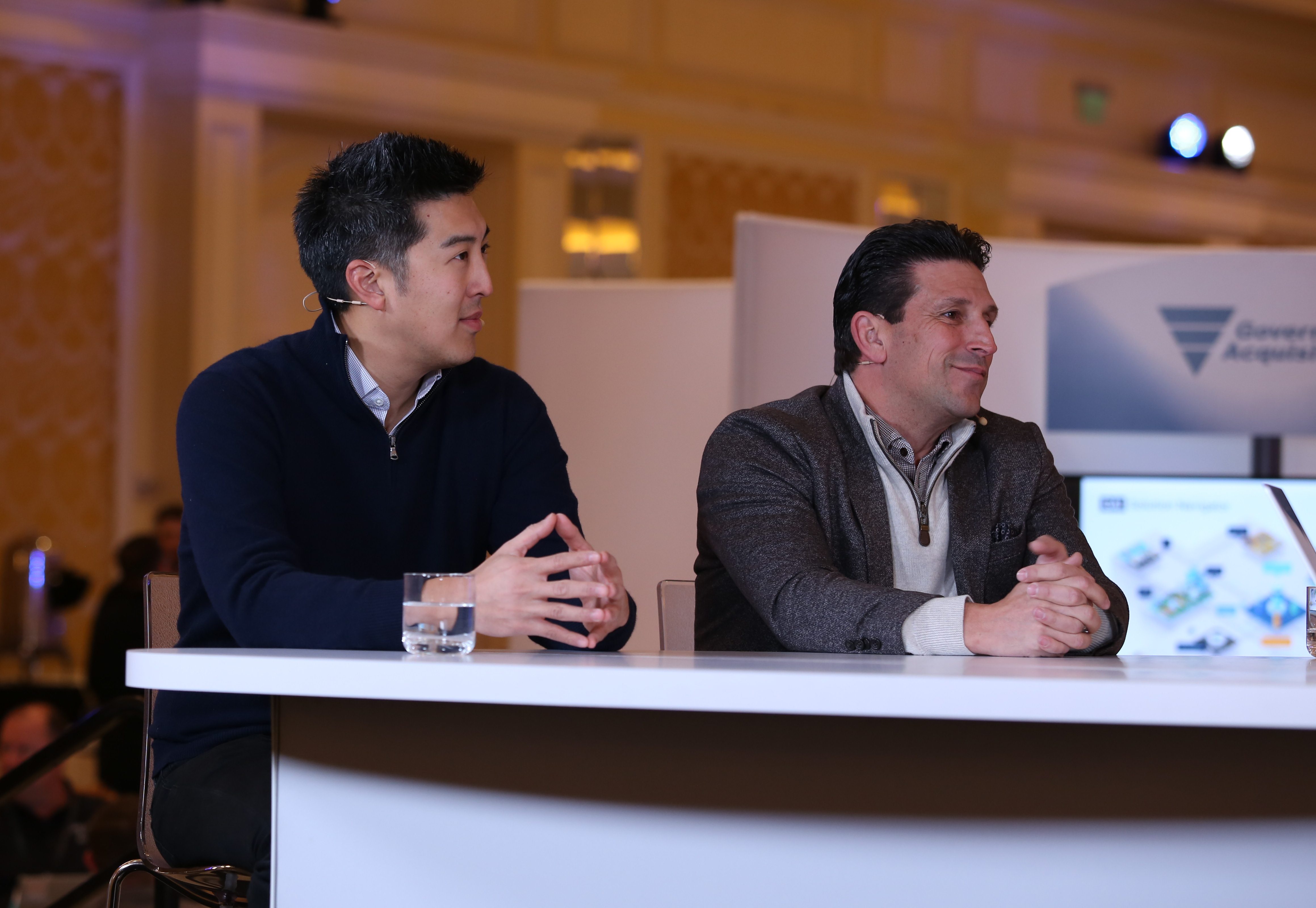
For Cisco Systems Inc. and Vast Data Inc., which builds scalable storage for AI and analytics, this new landscape brings an opportunity to collaborate on enterprise deployments. With the rise of AI, a new infrastructure model so fragile and complex has emerged that even the world’s most sophisticated information technology teams are struggling to keep it all standing, according to Danny McGinniss (pictured, right), vice president of product management for the Compute Business Unit at Cisco.
“The [AI factory question] was: ‘How do we provide not just an infrastructure stack to get the workload up and running, but [also] provide a security posture and all the observability tools around it to really get it ready for production?’” McGinniss said. “That’s the concept. When we say Secure AI Factory, that’s really what we mean.”
McGinniss and John Mao (left), vice president of business development and alliances at Vast, spoke with theCUBE’s Dave Vellante and Rebecca Knight at Vast Forward 2026, during an exclusive broadcast on theCUBE, SiliconANGLE Media’s livestreaming studio. They discussed production-ready AI infrastructure and the enterprise shift toward AI-driven operations. (* Disclosure below.)
Reference architectures are increasingly centered on networking, which has become the lifeblood of modern AI infrastructure projects. The broader goal is to create more integrated infrastructure that simplifies adoption as enterprises navigate new data center demands, according to Mao.
“You think about all [that the enterprises] have to deal with when they think about AI infrastructure and AI solutions, from new data center considerations, liquid cooling, going to like a hundred kilowatt racks, to new types of infrastructure, new speeds and networking,” Mao said. “All of this is complex, and many enterprises don’t have the skill sets and … the experience there in the industry.”
And the environment is changing so rapidly that even a single driver update or container-layer change can force teams to reset and reevaluate the entire stack, according to McGinniss. Many customers simply do not have the time — or the resources — to keep pace.
“At the same time, they’re trying to focus on how to transform a business. They’re thinking about, how do we actually use AI to give us a competitive advantage?” he said. “There’s a whole bunch of thought and resources being spent there.”
Past technology waves such as virtualization, cloud and containers were largely about making IT more efficient, lowering costs and introducing new consumption models, McGinniss explained. AI is different because organizations now see it as a source of competitive advantage.
“You’re rewriting your entire operational model around the technology,” he said. “Before it was [about using] technology to be more efficient. Now we’re rewriting the way the company works around the technology available to us.”
Of course, different enterprises are at very different stages of the AI journey, meaning conversations vary depending on where each organization is starting. Overwhelming as the considerations may be, Cisco and Vast are working to give customers a stable foundation for AI in production — not just tools, but an operating model. This comes at a time where boardroom conversations have clearly moved away from seeing AI as anything less than inevitable, according to Mao.
“Most of the senior leadership that we speak with — it’s not a question of if they will do this,” Mao noted. “It’s a question of when and how.”
Here’s the complete video interview, part of SiliconANGLE’s and theCUBE’s coverage of Vast Forward:
(* Disclosure: TheCUBE is a media partner for Vast Forward. Sponsors of theCUBE’s coverage, including presenting sponsor Solidigm, do not have editorial control over content on theCUBE or SiliconANGLE.)
Support our mission to keep content open and free by engaging with theCUBE community. Join theCUBE’s Alumni Trust Network, where technology leaders connect, share intelligence and create opportunities.
Founded by tech visionaries John Furrier and Dave Vellante, SiliconANGLE Media has built a dynamic ecosystem of industry-leading digital media brands that reach 15+ million elite tech professionals. Our new proprietary theCUBE AI Video Cloud is breaking ground in audience interaction, leveraging theCUBEai.com neural network to help technology companies make data-driven decisions and stay at the forefront of industry conversations.