

 AI
AI
AI
AI
AI

OpenAI Group PBC plans to merge ChatGPT and two of its other services into a single “superapp.”
The Wall Street Journal broke the news on Thursday. Today, MIT Technology Review reported that OpenAI is also working on an artificial intelligence tool designed to make researchers more productive. The latter offering is expected to launch by September.
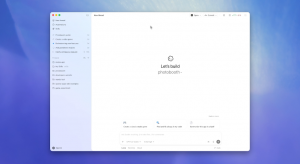
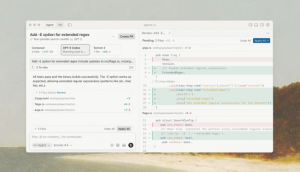
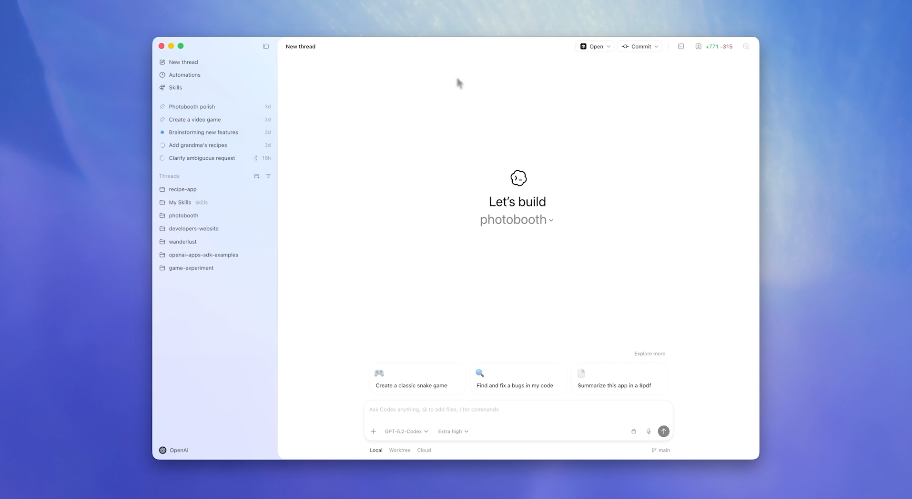
OpenAI’s planned superapp is described as a desktop client that will combine ChatGPT with the ChatGPT Atlas browser and Codex programming assistant. That hints the company may scrap the standalone Codex desktop client, which launched only last month. The Journal report didn’t specify what will happen to the VS Code edition of the coding assistant, which embeds it into popular programming tools.
Atlas, the newest of the three products that OpenAI plans to integrate into the superapp, debuted last year. It’s a browser that uses ChatGPT as the default search engine and provides access to the chatbot via a sidebar. Additionally, there’s a built-in AI agent that can automate tasks such as making e-commerce purchases.
OpenAI’s product consolidation drive is reportedly intended to simplify the user experience of its services. Additionally, the company hopes that the move will streamline its internal engineering efforts.
“We realized we were spreading our efforts across too many apps and stacks, and that we need to simplify our efforts,” Fiji Simo, OpenAI’s Chief Executive Office of Applications, wrote in an internal note sent on Thursday. “That fragmentation has been slowing us down and making it harder to hit the quality bar we want.”
OpenAI’s push to streamline its engineering efforts will reportedly see it make organizational changes. Simo is said to be leading the effort with the help of OpenAI president Greg Brockman.
The launch of the superapp will reportedly be preceded by several enhancements to the standalone Codex desktop client. Currently, Codex is mainly geared towards automating programming tasks. OpenAI plans to roll out new AI agent capabilities in the coming months that will extend the service’s feature set to other use cases.
Rival Anthropic PBC has taken a similar approach with Claude Code, its competing programing tool. In January, it launched a productivity tool called Claude Cowork that incorporates several components of Claude Code. The tool can automate tasks across a wide range of areas including project management, marketing and finance.
The AI agent features that OpenAI plans to introduce for Codex are reportedly part of a broader engineering roadmap focused on reasoning use cases. According to MIT Technology Review, the company is also developing an AI research tool capable of automating tasks that take scientists several days. OpenAI describes the offering as an “AI research intern.”
The company’s longer-term goal is to create a “fully automated multi-agent research system.” OpenAI hopes that the system will be capable of performing tasks too complicated for humans. It plans to launch the offering in 2028.
Support our mission to keep content open and free by engaging with theCUBE community. Join theCUBE’s Alumni Trust Network, where technology leaders connect, share intelligence and create opportunities.
Founded by tech visionaries John Furrier and Dave Vellante, SiliconANGLE Media has built a dynamic ecosystem of industry-leading digital media brands that reach 15+ million elite tech professionals. Our new proprietary theCUBE AI Video Cloud is breaking ground in audience interaction, leveraging theCUBEai.com neural network to help technology companies make data-driven decisions and stay at the forefront of industry conversations.