
 INFRA
INFRA
INFRA
INFRA

INFRA

AI infrastructure is becoming a power and economics problem as much as a compute problem. With Vera Rubin, Nvidia Corp. is aiming to redefine how the AI factory creates value.
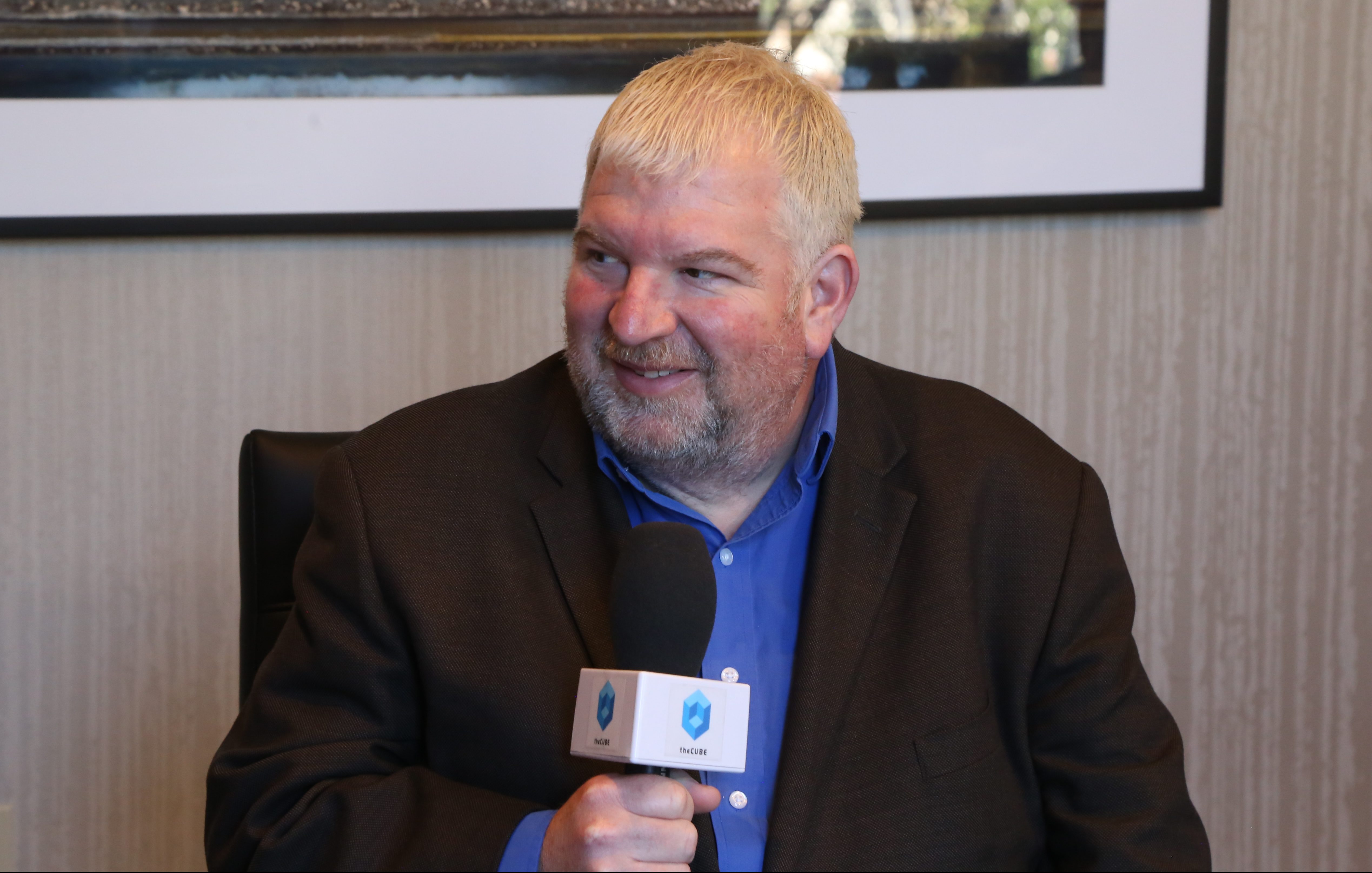
The pressure is rising on data center operators to turn AI infrastructure into a more efficient — and more monetizable — engine. Nvidia is now throwing down the gauntlet with an architecture designed for the enterprise shift toward agentic AI. The multi-rack Vera Rubin platform is engineered to dramatically lower token costs while unlocking new business models, according to Charlie Boyle (pictured), vice president of DGX at Nvidia.
“We said Vera Rubin is going to be 35x faster than Grace Blackwell. We fully believe that,” Boyle said. “That 35x allows customers, allows companies, to do things they couldn’t do before. If you can think it, you can build it.”
Boyle spoke with theCUBE’s Dave Vellante at the Nvidia GTC AI Conference & Expo, during an exclusive broadcast on theCUBE, SiliconANGLE Media’s livestreaming studio. They discussed how the Vera Rubin platform and its AI factory design could redraw the cost ledger for token economics and power efficiency in future-facing infrastructure. (* Disclosure below.)
The centerpiece to Nvidia’s strategy is the DSX AI Factory reference design, which introduces dynamic power provisioning to eliminate wasted energy. Nvidia’s Max-Q design philosophy enables dynamic power provisioning across the entire AI factory, resulting in the deployment of 30% more AI infrastructure within a fixed-power data center.
“On average [in] today’s data center, if you want a gigawatt of provision power, you’re probably only using 600 megawatts,” Boyle explained. “With this new technology and this new rack architecture, we’re making it so much more efficient, but also bringing AI into that infrastructure. It’s not humans and phone calls to turn knobs. It’s agents turning those knobs, making [power] 100% utilized in that data center, but doing it safely.”
The significance of Vera Rubin goes beyond faster chips, because Nvidia is now designing the AI factory as a coordinated system rather than a collection of separate components, Boyle noted. That means compute, networking, storage and power management are being engineered together so customers can keep existing software compatibility while improving utilization across the full stack. That systems-level approach is what allows Nvidia to sustain its rapid annual cadence, he added.
“It’s that compatibility, that software layer, that allows us to stay on that 12-month cycle,” Boyle said. “Because as a developer, you just intersect what system you have in that generation and you know it’s going to be faster, it’s going to drive down your cost, but your software is the same.”
The Vera Rubin platform also reflects Nvidia’s push into storage for agentic workflows. The new BlueField-4 STX reference architecture embeds a Vera processor alongside networking hardware, moving data processing closer to where data physically resides, according to Boyle. Storage partners have rallied behind the design because it extends existing security and access controls directly into agentic pipelines without requiring developers to re-request permissions.”
“Back then it took our partners a year or more to get to market. Now, every single partner that we have is time to market. [The] same day that we’re shipping software, they’re shipping systems,” Boyle said. “All of our partners are building gigawatts worth of infrastructure rolling off their factory lines every single month.”
Here’s the complete video interview, part of SiliconANGLE’s and theCUBE’s coverage of the Nvidia GTC AI Conference & Expo:
(* Disclosure: TheCUBE is a paid media partner for the Nvidia GTC AI Conference & Expo. Sponsors of theCUBE’s event coverage do not have editorial control over content on theCUBE or SiliconANGLE.)
Support our mission to keep content open and free by engaging with theCUBE community. Join theCUBE’s Alumni Trust Network, where technology leaders connect, share intelligence and create opportunities.
Founded by tech visionaries John Furrier and Dave Vellante, SiliconANGLE Media has built a dynamic ecosystem of industry-leading digital media brands that reach 15+ million elite tech professionals. Our new proprietary theCUBE AI Video Cloud is breaking ground in audience interaction, leveraging theCUBEai.com neural network to help technology companies make data-driven decisions and stay at the forefront of industry conversations.