 AI
AI
AI
AI





AI

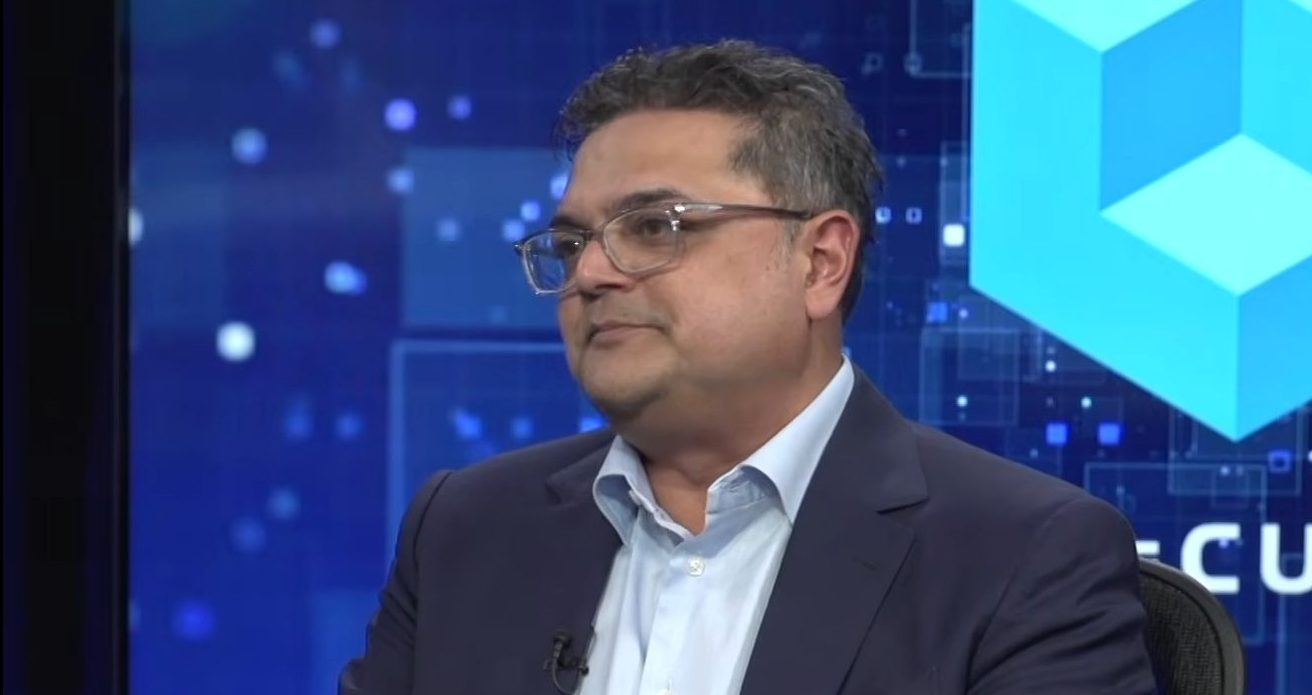
With AI environments becoming multi-agent and multi-model, organizations are prioritizing choice and flexibility over commitment to any single provider. Enterprises want the freedom to use the technologies and specialized models that best fit their needs without getting locked in over the long term, according to DD Dasgupta (pictured), vice president of product marketing at Equinix Inc.
“Let’s say it’s financial services [as an example]. The model they’re wanting is very different from [what] retail or healthcare needs,” Dasgupta said. “It goes to the choice and flexibility, and also the specialization of what that technology can enable.”
Dasgupta spoke with theCUBE’s Bob Laliberte at the Nvidia GTC AI Conference & Expo, during an exclusive broadcast on theCUBE, SiliconANGLE Media’s livestreaming studio. They discussed the shift toward distributed AI infrastructure and the growing need for architectural flexibility. (* Disclosure below.)
AI is built on data, and that data is inherently distributed across clouds and edge locations. Because data is high-volume and difficult to move efficiently, distributed AI architectures are becoming essential, according to Dasgupta.
“We know this term data gravity. It’s so much easier and more economical to move the model, the technology, the inferencing, to the data, versus doing the other way around,” Dasgupta said. “That’s why we’re seeing the growth of distributed architectures — distributed intelligence — because it’s all driven by distributed data.”
The real business value in AI will come less from training models and more from inference, where companies can create competitive advantage by applying intelligence at the moment decisions are made. That is where organizations will differentiate and turn AI into measurable business outcomes, Dasgupta noted.
“When 70% to 80% … — maybe it’s closer to 90% — of the data on this planet is being created at the edge, well, that’s where you want your technology to reach, not at one centralized location,” Dasgupta said. “That’s where inferencing is taking off. That’s what companies are interested in. The fun is at the edge.”
To address those demands, Equinix is positioning its Distributed AI Hub as a way for enterprises to connect data, models and infrastructure across dispersed environments more easily. The offering is intended to simplify the complexity of connecting distributed models and infrastructure across the AI ecosystem. But with AI, organizations need both new capabilities and more advanced versions of core services such as security and sovereignty, Dasgupta explained.
“It’s not very different from what we’ve done, but we’re calling it the Distributed AI Hub because this is specifically for the AI workloads, and in particular inferencing,” he said.
As enterprises move deeper into distributed and agentic AI, infrastructure will need to deliver not just flexibility and agility but increasing specialization. The next phase will be defined by more tailored architectures built to match the distinct needs and speed requirements of specific industries and use cases, according to Dasgupta.
“I think the job of the infrastructure is to mirror the application, and the job of the application is to mirror what the business is trying to do,” Dasgupta said. “We’re just going to see more and more hyper-specialization, and these requests coming to us infrastructure vendors is, ‘Make this top-to-bottom integrated for the one thing that I’m trying to do.’”
Here’s the complete video interview, part of SiliconANGLE’s and theCUBE’s coverage of the Nvidia GTC AI Conference & Expo:
(* Disclosure: Equinix Inc. sponsored this segment of theCUBE. Neither Equinix nor other sponsors have editorial control over content on theCUBE or SiliconANGLE.)
Support our mission to keep content open and free by engaging with theCUBE community. Join theCUBE’s Alumni Trust Network, where technology leaders connect, share intelligence and create opportunities.
Founded by tech visionaries John Furrier and Dave Vellante, SiliconANGLE Media has built a dynamic ecosystem of industry-leading digital media brands that reach 15+ million elite tech professionals. Our new proprietary theCUBE AI Video Cloud is breaking ground in audience interaction, leveraging theCUBEai.com neural network to help technology companies make data-driven decisions and stay at the forefront of industry conversations.