 INFRA
INFRA
INFRA
INFRA







INFRA

Quantum-HPC integration may still be in its earliest chapters, but the race to build the software infrastructure it will need is already underway.
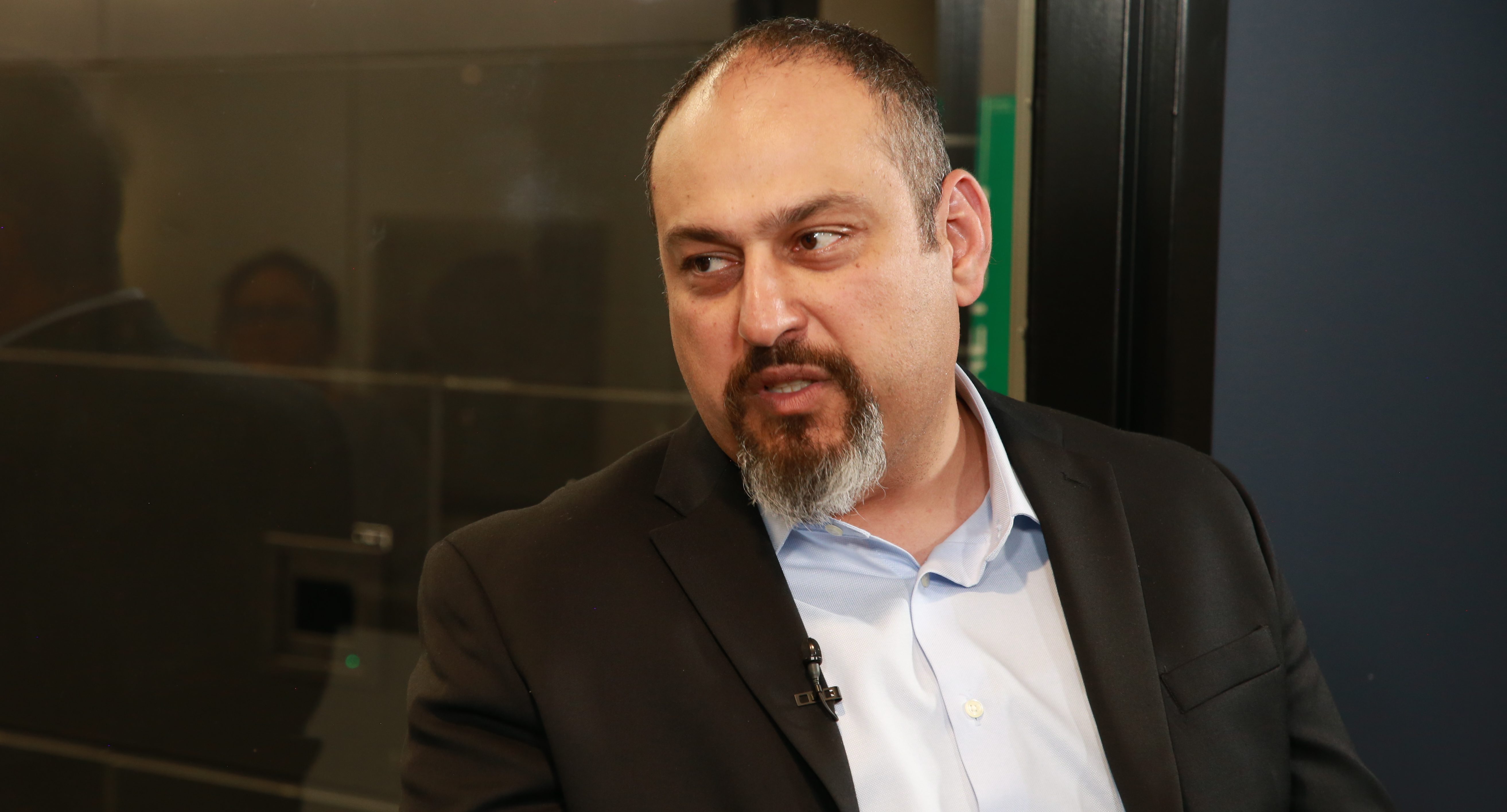
As the quantum technology market matures toward a projected $97 billion in worldwide revenue by 2035, the harder challenge is not building the hardware — it is preparing the classical computing world to absorb it. At Oak Ridge National Laboratory, one of the U.S. Department of Energy’s premier research facilities, the focus is on designing the middleware that will bridge quantum processors and existing high-performance computing systems, according to Amir Shehata (pictured), high-performance computing systems engineer in the Quantum HPC Group at Oak Ridge National Laboratory.
“The companies’ roadmaps are out there for people to look at. What we’re trying to do is we’re preparing the software world to accept those technologies,” Shehata told theCUBE. “When they are ready, you can just jump on and start using them. You don’t want to wait until they’re ready and then start thinking, ‘Well, how are we going to integrate them with our systems?’ Because that’s going to be too late.”
Shehata spoke with theCUBE’s Dave Vellante at the HPE World Quantum Day event, during an exclusive broadcast on theCUBE, SiliconANGLE Media’s livestreaming studio. They discussed quantum-HPC integration challenges, the role of open source software ecosystems and the workflow models needed to make hybrid quantum-classical computing viable. (* Disclosure below.)
The core challenge of quantum-HPC integration lies in reconciling fundamentally different hardware paradigms through a unified software layer. Different quantum modalities — superconducting, neutral atom, trapped ion — each impose distinct timing and coupling requirements on the classical systems they connect to, Shehata explained. A superconducting system’s qubits degrade quickly, demanding tight latency; a neutral atom system operates on a different timescale entirely.
“Your software stack that you’re developing has to handle all these different types of requirements that are being thrown at you from the hardware side,” Shehata said.
To address the fragmentation, Shehata launched OpenQSE, or Open Quantum HPC Software Ecosystem, an initiative that brings together national laboratories, universities and quantum providers to develop common specifications for quantum-HPC integration software layers. The goal is not a single monolithic stack but a set of interoperable interfaces that prevent provider lock-in while enabling modular innovation, Shehata noted.
“The goal of this initiative is to try and figure out how we can standardize that software environment, such that we can make different software stacks interoperable so you don’t get vendor lock-in by using one specific software stack,” he said. “We’re trying to come up with specifications for the different software layers so that we can allow different people to go out and develop their own modules, and then those components can be interoperable at the end.”
Looking toward the end of the decade, the single biggest milestone for the quantum community will be error correction, which is the key to unlocking meaningful scientific applications, according to Shehata. Without it, circuits devolve into noise before producing useful results. But that software readiness, algorithms and integration work must all advance in parallel with the hardware.
“Once you have error-corrected quantum computers, that’s when you start moving from toy problems into significant scientific applications that can utilize it,” Shehata said. “You can’t really do it in sequence. You can’t focus on error correction only. You have to look at everything at the same time. That’s what we’re doing here at Oak Ridge.”
Here’s the complete video interview, part of SiliconANGLE’s and theCUBE’s coverage of the HPE World Quantum Day event:
(* Disclosure: TheCUBE is a paid media partner for the HPE World Quantum Day event. Neither HPE, the sponsor of theCUBE’s event coverage, nor other sponsors have editorial control over content on theCUBE or SiliconANGLE.)
Support our mission to keep content open and free by engaging with theCUBE community. Join theCUBE’s Alumni Trust Network, where technology leaders connect, share intelligence and create opportunities.
Founded by tech visionaries John Furrier and Dave Vellante, SiliconANGLE Media has built a dynamic ecosystem of industry-leading digital media brands that reach 15+ million elite tech professionals. Our new proprietary theCUBE AI Video Cloud is breaking ground in audience interaction, leveraging theCUBEai.com neural network to help technology companies make data-driven decisions and stay at the forefront of industry conversations.