 AI
AI
AI
AI


AI

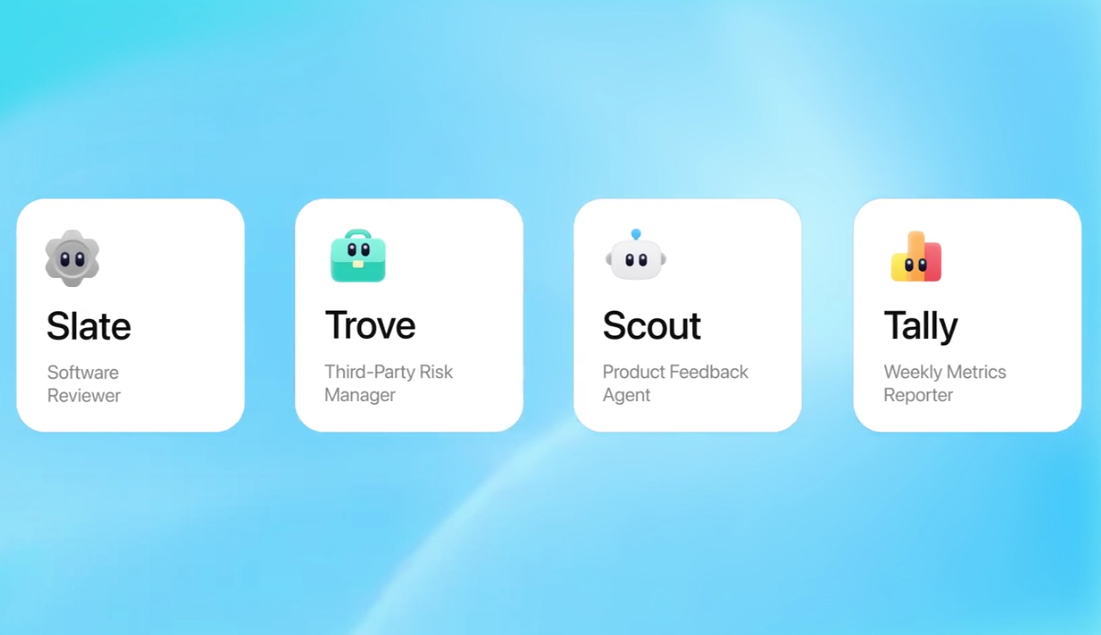
OpenAI Group PBC said today it’s pushing ChatGPT outside its usual chat interface with the launch of “workspace agents,” which is a new feature that allows business users to automate recurring tasks, even when their human employees aren’t online.
In a blog post today, OpenAI explained that its workspace agents are powered by the Codex model and designed to run as “persistent assistants.” They can connect to third-party software applications, retain context across projects and perform multistep workflows without the need for repeated prompting.
They’re meant to be the next evolution of the company’s “GPTs,” which are specialized, no-code versions of ChatGPT tailored by their users to perform specific tasks, hobbies and workflows. Powered by Codex, they can take on many of the tasks people already do at work — from preparing reports to writing code to responding to messages, the company said: “They run in the cloud, so they can keep working even when you’re not. They’re also designed to be shared within an organization, so teams can build an agent once, use it together in ChatGPT or Slack, and improve it over time.”
OpenAI said users can create workspace agents through a new tab in the ChatGPT interface. All they have to do is describe the desired workflow they want it to perform. ChatGPT will then map the process it’s going to use, connect the required tools and test the agent to make sure it does the job correctly. Once the user is satisfied, they can activate the new agent and set it to run on a schedule or respond to a specific trigger.
Introducing workspace agents in ChatGPT—shared agents that can handle complex tasks and long-running workflows across tools and teams. pic.twitter.com/eHplfXCWlk
— OpenAI (@OpenAI) April 22, 2026
The company explained that AI already helps people to work faster, but it’s still a work in progress on more complex tasks that depend on shared context, handoffs and decisions made across teams. “Workspace agents are designed for that kind of work,” it said. “They can gather context from the right systems, follow team processes, ask for approval when needed and keep working moving across tools.”
OpenAI debuted the new feature at a time when the race to develop agentic AI tools is heating up, with rivals such as Google LLC, Microsoft Corp. and Amazon Web Services Inc. all investing billions of dollars in an effort to create their own autonomous systems for work. The company also faces substantial pressure from Anthropic PBC, which is widely regarded as having taken the lead in the agentic AI race thanks to tools such as Claude Code and Cowork.
Constellation Research analyst Holger Mueller said OpenAI has been blindsided by the rapid rise of Anthropic, which has relegated it from the status of AI thought leader to one of “fast follower.”
“Anthropic has ripped the AI innovation crown from OpenAI by changing the game from consumers to the enterprise,” Mueller said. “The OpenClaw dynamic was a real wake up call for OpenAI, and now the race is on to build the productivity platform that enterprises need to start automating real business work. But Anthropic still has a leg up over OpenAI, which now has to prove its workspace agents are the real deal. Sam Altman and co will need to close the gap this year, or else there will be some uncomfortable questions. Everyone else can grab the popcorn and keep watch.”

One challeng for OpenAI is that enterprise still see enormous risks to using autonomous AI agents. However, the company said it’s taking steps to ensure the workspace agents won’t be targeted by prompt injection attacks and other threats. To protect them, it’s giving companies the ability to limit what kind of data and tools the agents can access. Users can also set their agents to require approval before performing sensitive actions.
The workspace agents are available now as a research preview for ChatGPT Business, Edu, Enterprise and Teachers subscribers. They’re free to use between now and May 6, after which point it will shift to a credit-based pricing model.
OpenAI said custom GPTs will still remain available, with the company promising to develop a mechanism that will allow customers to “convert GPTs into workspace agents” at a later date.
Support our mission to keep content open and free by engaging with theCUBE community. Join theCUBE’s Alumni Trust Network, where technology leaders connect, share intelligence and create opportunities.
Founded by tech visionaries John Furrier and Dave Vellante, SiliconANGLE Media has built a dynamic ecosystem of industry-leading digital media brands that reach 15+ million elite tech professionals. Our new proprietary theCUBE AI Video Cloud is breaking ground in audience interaction, leveraging theCUBEai.com neural network to help technology companies make data-driven decisions and stay at the forefront of industry conversations.