 INFRA
INFRA
INFRA
INFRA







INFRA

Red Hat Enterprise Linux, the platform underpinning much of enterprise IT, has spent 20 years as the quiet foundation of enterprise computing. Now, as AI moves into production at scale, it’s becoming something more: the control plane for how organizations build, govern and run autonomous systems.
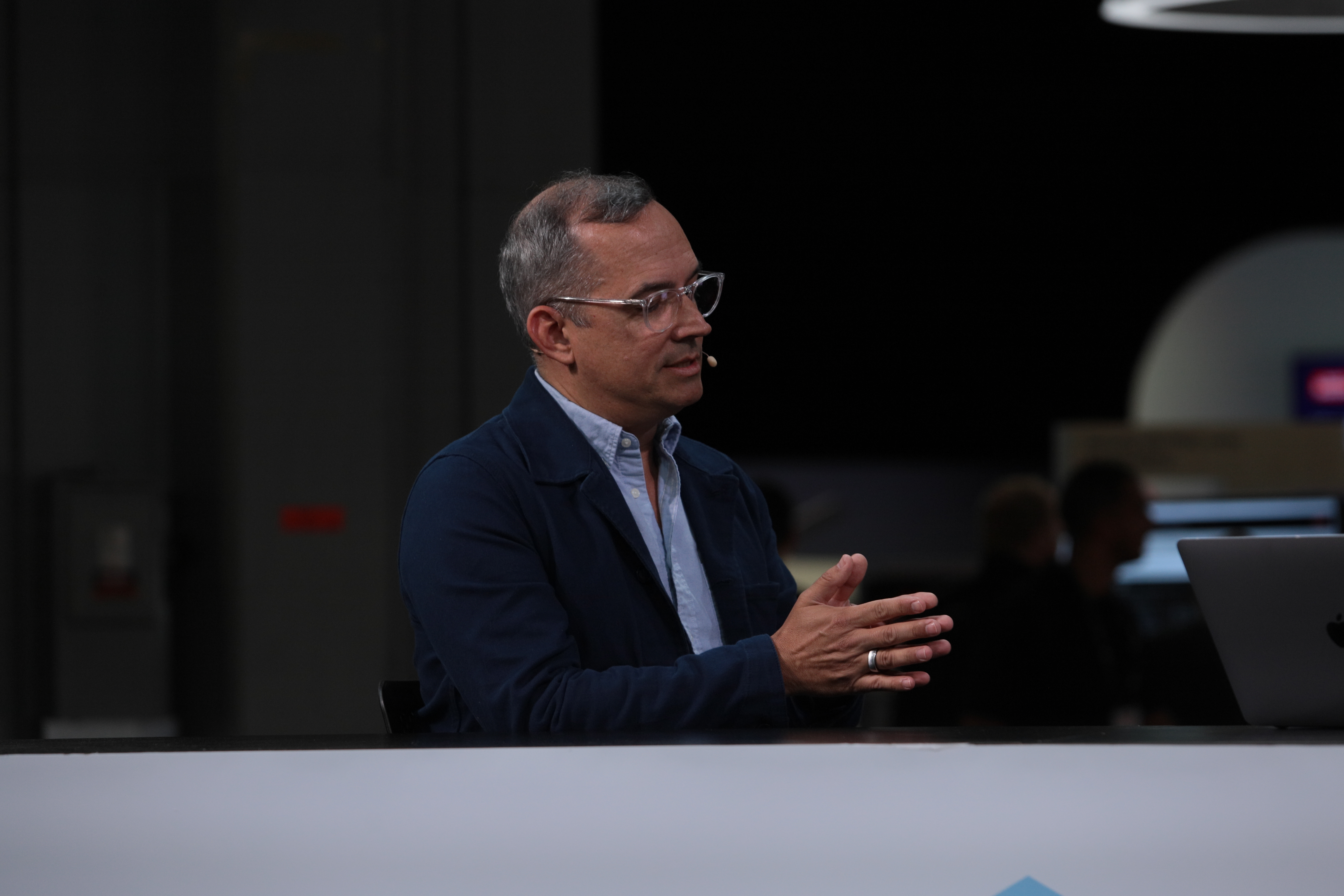
That infrastructure layer is proving more consequential than ever. The choice of operating system now determines how fast organizations can adopt new hardware, comply with emerging regulations and govern autonomous agents — all at the same time, according to Gunnar Hellekson (pictured), vice president and general manager of Red Hat Enterprise Linux at Red Hat Inc.
“Open source and specifically Linux is the foundation for all AI innovation that’s happening now,” Hellekson said. “The entire ecosystem of AI software that’s being developed is all out in open source today. The most meaningful contributions are happening through open source. That makes the operating system a natural collection point for all that innovation.”
Hellekson spoke with theCUBE’s Rob Strechay and Rebecca Knight at Red Hat Summit 2026, during an exclusive broadcast on theCUBE, SiliconANGLE Media’s livestreaming studio. They discussed how Red Hat Enterprise Linux is evolving to serve as both producer and beneficiary of AI innovation, as well as how new offerings are helping enterprises operate at two speeds at once. (* Disclosure below.)
Enterprises are confronting a fundamental tension in their infrastructure strategies: the need to modernize rapidly for AI while preserving the long-term stability that mission-critical workloads demand. Red Hat’s answer is to let organizations do both at the same time — often within the same project, Hellekson explained. Red Hat Hardened Images are pre-configured, security-hardened container images designed to meet strict compliance requirements out of the box, including Federal Information Processing Standards, or FIPS, the federal benchmark for cryptographic security.
“Say you’re a bank, you’ll have workloads that you need as stable and reliable as possible and … you don’t want to touch them for 15 years, and then you’re going to have other workloads that are moving fast,” he said. “With Red Hat Hardened Images, we actually offer FIPS versions of these containers so you can actually operate in either fast mode or slow mode, but still get the benefits of regulatory compliance that you need.”
That dual-speed model now extends beyond containers to the full operating system. Red Hat partnered with the Fedora community to produce Fedora Hummingbird Linux, a fast-moving, stable release supported under a Red Hat Enterprise Linux subscription — giving AI teams a delivery vehicle that tracks upstream hardware innovation in near real time, Hellekson explained. The OS is also a natural compliance and governance layer for agentic workloads — a principle Red Hat is putting into practice through its collaboration with Nvidia Corp., integrating the open source Nvidia OpenShell runtime into its AI platform to give enterprises infrastructure-enforced security controls over autonomous agents, he added.
“The controls that OpenShell puts in place for your agents — all those controls are fundamentally operating system controls,” he said. “When people make a choice about the operating system for their regular applications, they are also making a choice for where their AI stuff is going to get hosted. I think [the OS] has spent 20 years getting ready for the AI revolution, and now it’s here.”
Here’s for the complete video interview, part of SiliconANGLE’s and theCUBE’s coverage of Red Hat Summit 2026:
(* Disclosure: Red Hat sponsored this segment of theCUBE. Neither Red Hat nor other sponsors have editorial control over content on theCUBE or SiliconANGLE.)
Support our mission to keep content open and free by engaging with theCUBE community. Join theCUBE’s Alumni Trust Network, where technology leaders connect, share intelligence and create opportunities.
Founded by tech visionaries John Furrier and Dave Vellante, SiliconANGLE Media has built a dynamic ecosystem of industry-leading digital media brands that reach 15+ million elite tech professionals. Our new proprietary theCUBE AI Video Cloud is breaking ground in audience interaction, leveraging theCUBEai.com neural network to help technology companies make data-driven decisions and stay at the forefront of industry conversations.