 AI
AI
AI
AI




AI

For more than 35 years, Dell Technologies Inc. and Microsoft Corp. have collaborated on a wide range of enterprise technology offerings. From support for Azure hybrid cloud to server-based Windows solutions, Dell has a lengthy history of supplying co-developed and integrated products and services with Microsoft.
This alliance has become even more important as organizations march down the path of AI deployment. Enterprises need reliable infrastructure and modern data solutions that can solve scalability headaches and bridge integration gaps.
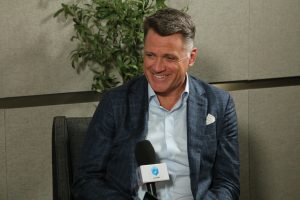
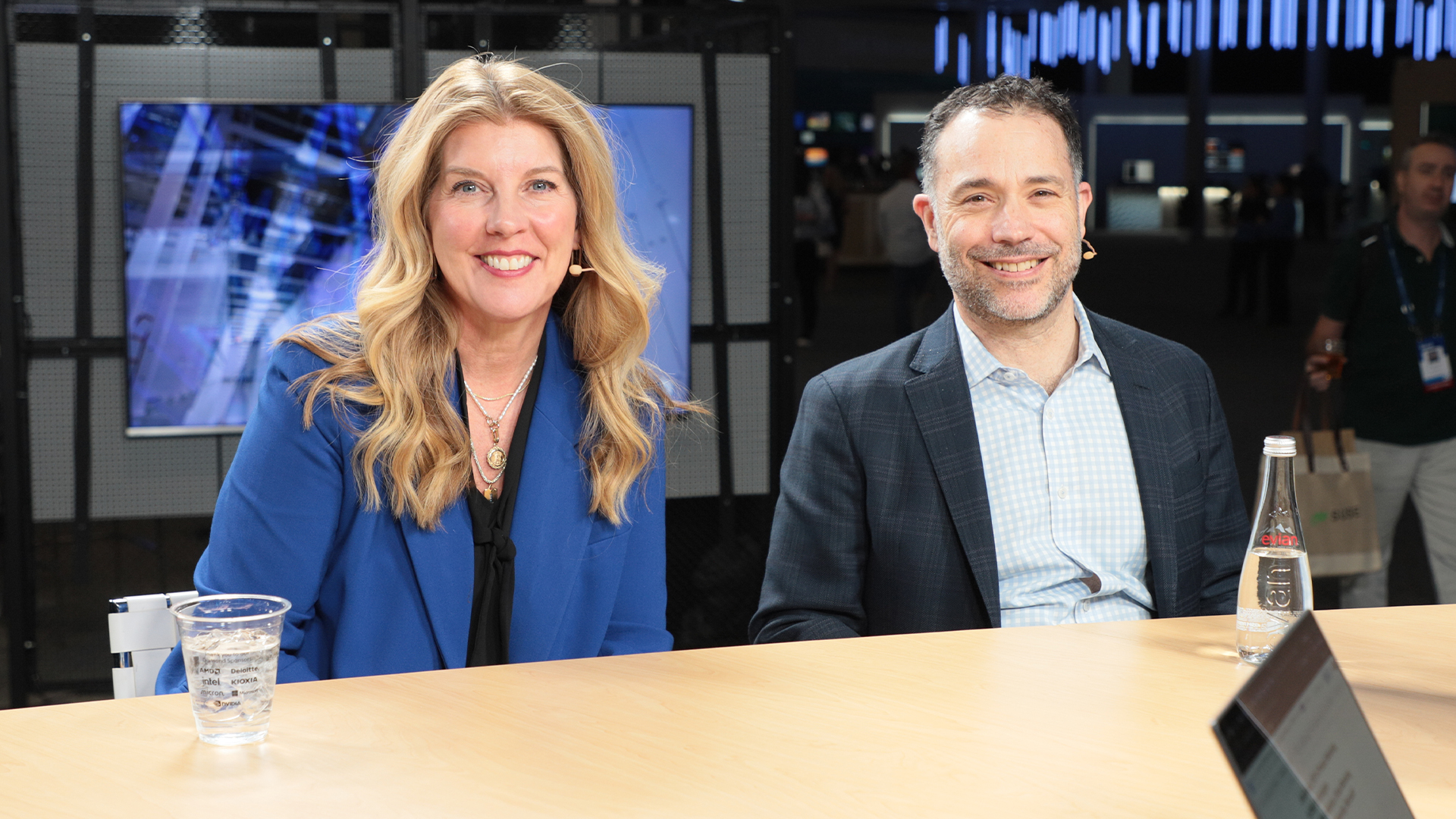
“It’s really important to think about what customers are facing today,” said Mary Ann Anderson (pictured, left), worldwide marketing director of Dell partnerships at Microsoft, during an interview with theCUBE, SiliconANGLE Media’s livestreaming studio. “There is a lot of ambition around AI and really thinking about how customers do that in a smart way. Partnering with Dell is a really powerful solution when you think about distributing AI processing power.”
Reporting from Dell Technologies World in Las Vegas, theCUBE explored how Dell and its ecosystem partner Microsoft have leveraged their combined expertise to provide comprehensive enterprise-grade solutions for managing modern AI workloads. (* Disclosure below.)
Here are three key insights you may have missed from theCUBE’s coverage of Dell Technologies World and the company’s partnership with Microsoft:
With AI agents and assorted applications now accessing data from across the enterprise, security has become even more critical for IT customers. In provisioning operational infrastructure, Dell and Microsoft support compliance needs, particularly in regulated industries, according to Raghu Venkataraman, principal product manager for cloud and AI at Microsoft.
“Whether it’s a government agency or healthcare network or even other industries that you won’t actually think of in terms of transportation, you hear that, ‘Hey, you know what? For me the data and the operation of the data is extremely critical to me,’” Venkataraman told theCUBE. “These are not actually options for customers, they are mandates. They need to be compliant. They need to actually operate in a secure way… and comply with the legal rules that have been imposed upon them.”
The integration of tools such as Microsoft Intune for endpoint security and Azure Arc for control over data residency and operations in a private cloud are examples of how the two firms have addressed the protection of key information. Companies know they must embrace AI, yet there remains a reluctance because of business risk.
“At the core, Microsoft in particular is very committed to security, and I think that’s a barrier for a lot of companies because they see AI as something that could infiltrate their data and their systems,” said Microsoft’s Anderson. “And if you’re not doing it in a secure way that’s governed, then that can be scary. Dell and Microsoft will help them break through that to get to the other side, to really have their employees take advantage of all the benefits we all keep hearing about with AI, but you have to do it in a very thoughtful way.”
Here’s theCUBE’s complete video interview with Mary Ann Anderson, who was joined by Jon Siegal (right), senior vice president of Dell portfolio marketing at Dell:
Customers have shown an interest in leveraging AI outside of cloud environments, and Dell and Microsoft have recently deployed a set of solutions to enable this approach.
In February, Microsoft unveiled Foundry Local, a solution for organizations to bring large AI models into fully disconnected environments such as laptop computers or tablets. User data never leaves the device, responses start immediately with zero network latency, and the app works offline.
“What we did was to have Foundry Local on personal devices, your laptops and your desktops and all of these things,” Venkataraman said. “You get local native inference completely on a machine. We want to actually bring AI to where the data is rather than the other way around.”
An extension of this concept can also be seen in Microsoft’s deployment of Azure Local, the company’s rebranded hybrid cloud solution formerly known as Azure Stack HCI, which provides Azure cloud services on hardware for on-premises or edge environments. The solution works in conjunction with Dell’s private cloud offering, and PowerStore can also be integrated to enable a hybrid cloud solution without the need to purchase new hardware.
“One of the fundamentals that you need to have in place to do an Azure Local solution well is to have a rock-solid infrastructure which is designed to run Azure Local specifically,” said Kenny Lowe, technical staff, cloud platforms evangelism and enablement lead at Dell, during an interview with theCUBE. “That’s what we’ve developed with Dell Private Cloud. We’re now bringing that intelligence to a disaggregated model where we can have separate compute and storage, but treat it in an almost hyperconverged way. Dell Private Cloud is bringing the automation to enable that.”
Here’s theCUBE’s complete video interview with Raghu Venkataraman and Kenny Lowe:
Rising interest in data sovereignty has influenced the integration of Microsoft’s cloud software with Dell’s on-premises infrastructure.
This has become more apparent with the pairing of Azure tools with disaggregated Dell infrastructure, creating a way for enterprises to run sovereign, AI-ready private clouds. Organizations are re-evaluating how sovereign private cloud infrastructure can be orchestrated in the AI world.
“Key feedback that we are getting from customers is on the topic of digital sovereignty,” Venkataraman said. “Customers want to have control over where the data lives. The AI mandate manifests itself into infrastructure that is across your data, your models and your operations. And that actually means that we have to work with partners like Dell toward developing joint solutions.”
Those solutions have become a key resource in regulated industries such as healthcare, where data sovereignty matters. As organizations look toward scaling AI, Dell and Microsoft are providing joint solutions involving the SQL Server Engine and the Dell Automation Platform to facilitate less data fragmentation and easier access to critical information.
“In a patient room, [hospital staff] want to be able to go into a digital chart using SQL Server as a data source and say, ‘I need clinical recommendations,’” noted Bob Ward, principal architect at Microsoft, in an interview with theCUBE. “That’s going to [trigger] some sort of job that may go submit an order within the hospital — using AI technology behind the scenes to go make those decisions with the data.”
Here’s theCUBE’s complete video interview with Bob Ward, who was joined by Robert Sonders, technical staff global engineering technologist for platform automation and multicloud software at Dell:
To watch more of theCUBE’s coverage of Dell Technologies World, here’s our complete video playlist:
(* Disclosure: Microsoft sponsored this segment of theCUBE. Neither Microsoft nor other sponsors have editorial control over content on theCUBE or SiliconANGLE.)
Support our mission to keep content open and free by engaging with theCUBE community. Join theCUBE’s Alumni Trust Network, where technology leaders connect, share intelligence and create opportunities.
Founded by tech visionaries John Furrier and Dave Vellante, SiliconANGLE Media has built a dynamic ecosystem of industry-leading digital media brands that reach 15+ million elite tech professionals. Our new proprietary theCUBE AI Video Cloud is breaking ground in audience interaction, leveraging theCUBEai.com neural network to help technology companies make data-driven decisions and stay at the forefront of industry conversations.