 AI
AI
AI
AI







AI

Silicon diversity is emerging as the strategic hedge hyperscalers are building around as AI workloads outstrip the capacity of any single chip architecture. With demand for compute consistently outpacing supply, cloud providers are racing to build systems that can flex across GPUs, CPUs and custom silicon rather than lock into one supplier’s roadmap.
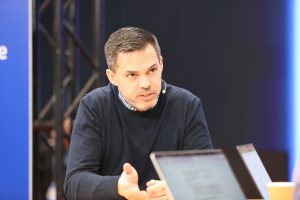
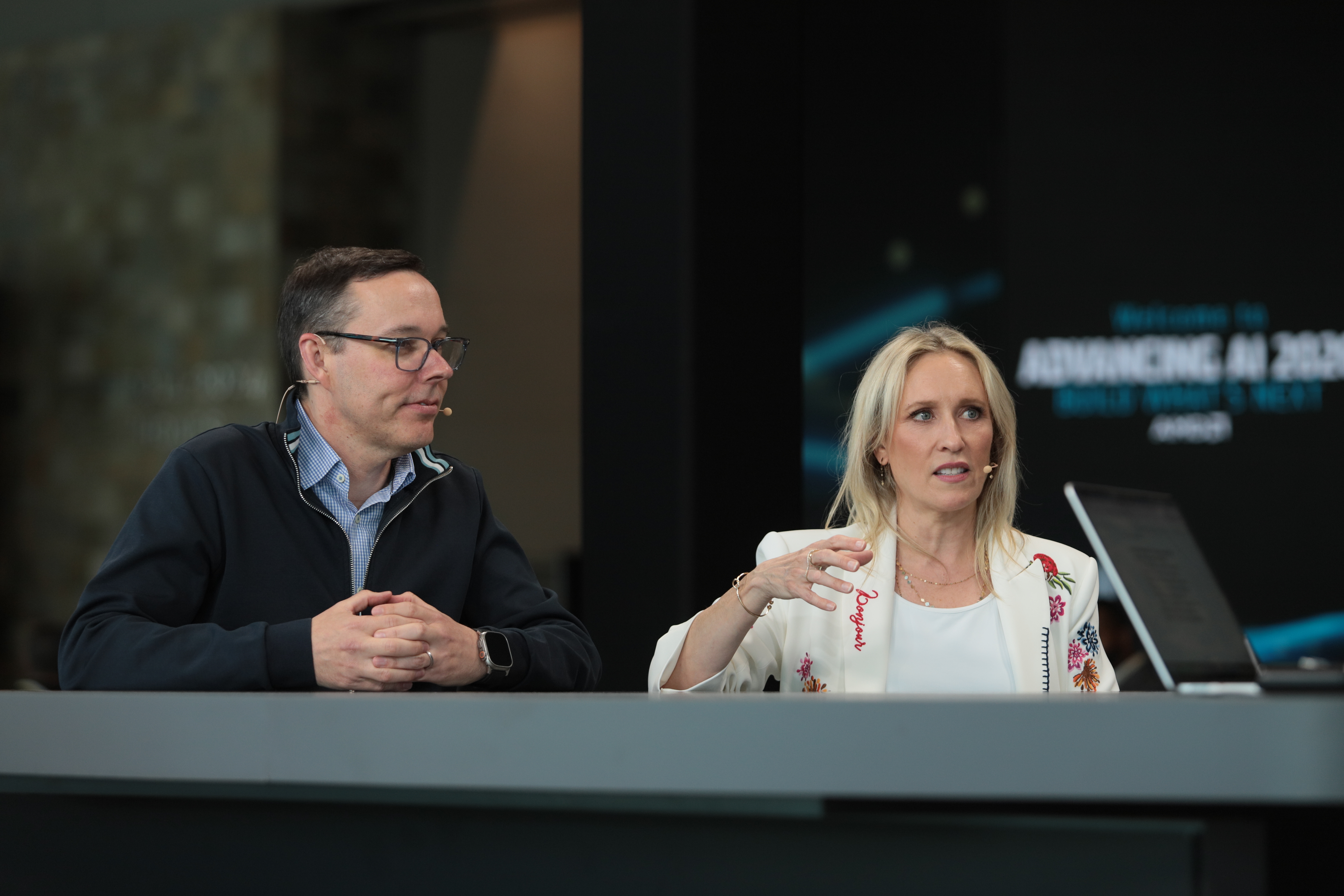
That reckoning is playing out directly at Microsoft Corp., which recently confirmed it will deploy Advanced Micro Devices Inc.’s Helios rack-scale platform across Azure to power frontier model inference alongside new AMD EPYC-powered virtual machine families. Choice and competition across chip suppliers is no longer optional for meeting AI’s scale demands, according to Jessica Hawk (pictured, right), corporate vice president of Azure at Microsoft.
“We need this collaborative silicon diversity,” she said. “It completes the picture, because we’re not building point solutions; we’re building systems from the ground up. We need that complete picture to bring the value back to customers.”
Hawk and Alistair Speirs (left), general manager of Azure infrastructure at Microsoft, spoke with theCUBE’s Dave Vellante and Bob O’Donnell at the AMD Advancing AI event, during an exclusive broadcast on theCUBE, SiliconANGLE Media’s livestreaming studio. They discussed Microsoft’s silicon diversity strategy, the AMD co-design relationship and how rising AI demand is reshaping cloud infrastructure. (* Disclosure below.)
Azure’s push for silicon diversity extends deep into the engineering process, where Microsoft and AMD shape decisions together from chip trade-offs to data center power distribution, Speirs noted. That collaboration spans the full stack, from the physical data center floor to the software layer running on top.
“As we engage with AMD, as we’re looking at that platform, you really have to design this whole thing together — the data center, the facilities, the rack, the hallways, the power distribution, the networking, and then of course the software as well,” Speirs said.
That full-stack alignment is increasingly aimed at taming a new cost pressure tied to soaring AI token consumption. As enterprises push deeper into agentic AI, managing that cost curve without sacrificing performance is the priority, according to Hawk.
“To deliver that cost-performance efficiency that the frontier’s going to keep insisting we deliver on, that’s where silicon diversity and choice becomes really important,” Hawk said. “That’s always been our goal here with our relationship with our great partners as well as our own custom silicon.”
Here’s the complete video interview, part of SiliconANGLE’s and theCUBE’s coverage of the AMD Advancing AI event:
(* Disclosure: TheCUBE is a paid media partner for the AMD Advancing AI event. Neither AMD, the sponsor of theCUBE’s event coverage, nor other sponsors have editorial control over content on theCUBE or SiliconANGLE.)
Support our mission to keep content open and free by engaging with theCUBE community. Join theCUBE’s Alumni Trust Network, where technology leaders connect, share intelligence and create opportunities.
Founded by tech visionaries John Furrier and Dave Vellante, SiliconANGLE Media has built a dynamic ecosystem of industry-leading digital media brands that reach 15+ million elite tech professionals. Our new proprietary theCUBE AI Video Cloud is breaking ground in audience interaction, leveraging theCUBEai.com neural network to help technology companies make data-driven decisions and stay at the forefront of industry conversations.