 AI
AI
AI
AI





AI

Trusted AI data is emerging as the deciding factor between organizations that successfully scale AI and those still stuck cycling through pilots. As companies move beyond experimentation, many are discovering that the biggest obstacle isn’t building models — it’s knowing whether the data feeding those models can be trusted.
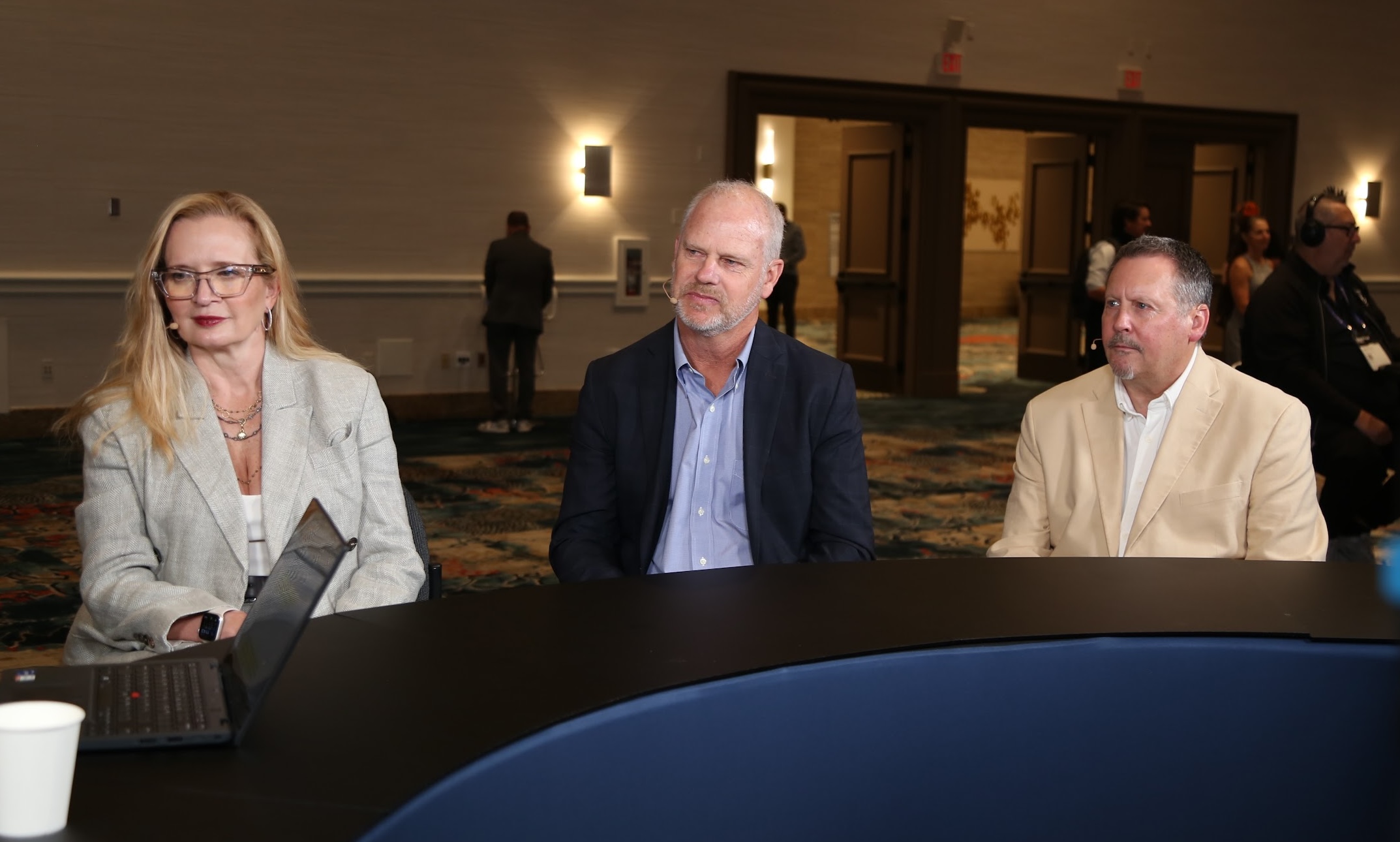
That gap between ambition and readiness is widening as enterprises juggle data scattered across software-as-a-service applications, the cloud, on-premises systems and even employee laptops. Establishing a governed foundation for that data has become a prerequisite for moving AI into production, according to Robin Braun (pictured, left), vice president of AI business development and hybrid cloud at Hewlett Packard Enterprise Co.
“When you think about how do you trust to scale out into production, you have to trust what you’re doing, and at the foundation of all AI is data,” Braun said. “Organizations have SaaS applications, they have data in the cloud, they have data on-prem, they have data probably on somebody’s laptop that they’re not sure about. Do they know how a model got trained? Do they know that it has the right parameters, right governance, right guardrails?”
Braun, along with Ian Williamson (center), senior vice president of global alliances at BigID Inc., and Patrick Conte (right), chief revenue officer at Fortanix Inc., spoke with theCUBE Research’s Krista Case at Black Hat USA, during an exclusive broadcast on theCUBE, SiliconANGLE Media’s livestreaming studio. They discussed how trusted AI data underpins governance, discovery and encryption strategies as enterprises move deployments into production. (* Disclosure below.)
Before governance can happen, organizations need visibility into what they actually have. BigID’s scanning is increasingly surfacing shadow AI deployments that fall outside compliance oversight, Williamson noted.
“We’re finding a lot of shadow AI. We’re finding sandbox environments that are kind of rogue models that are being built,” Williamson said. “That compliance to IT standards is sometimes missing, and that’s a big issue.”
Once sensitive data is classified, protecting it becomes the next challenge, particularly as regulated industries increasingly keep AI workloads on premises rather than in shared cloud environments. Fortanix layers encryption on top of BigID’s discovery work, securing data at rest, in motion and even while it’s being processed inside GPU memory, Conte noted.
“We’re seeing a lot of re-homing coming back on premises, because customers want the model to be close to the data,” Conte said. “A lot of times that data can’t go anyplace else if it’s banks, security agencies or healthcare.”
For HPE, the answer to that distributed complexity is a unified platform that gives organizations a consistent view of their data regardless of where it lives. HPE GreenLake provides the hybrid cloud control plane that connects on-premises infrastructure with cloud services under a single governance model, making it easier to apply policies consistently across environments, Braun noted.
“We’ve been doing governance from an IT perspective and an infrastructure perspective for a long time,” Braun said. “Work with trusted partners who can help make it simpler and more approachable so that you don’t have to go out and try to wire everything together yourself.”
Here’s the complete video interview, part of SiliconANGLE’s and theCUBE’s coverage of Black Hat USA:
(* Disclosure: Hewlett Packard Enterprise Co. sponsored this segment of theCUBE. Neither HPE nor other sponsors have editorial control over content on theCUBE or SiliconANGLE.)
Support our mission to keep content open and free by engaging with theCUBE community. Join theCUBE’s Alumni Trust Network, where technology leaders connect, share intelligence and create opportunities.
Founded by tech visionaries John Furrier and Dave Vellante, SiliconANGLE Media has built a dynamic ecosystem of industry-leading digital media brands that reach 15+ million elite tech professionals. Our new proprietary theCUBE AI Video Cloud is breaking ground in audience interaction, leveraging theCUBEai.com neural network to help technology companies make data-driven decisions and stay at the forefront of industry conversations.