 AI
AI
AI
AI







AI

Graph neural networks are reshaping how enterprises hunt for fraud, moving detection beyond isolated transactions to reveal entire hidden networks of bad actors. As AI adoption accelerates, organizations are discovering that the real breakthrough isn’t just faster models — it’s a data structure built to expose relationships that traditional systems miss.
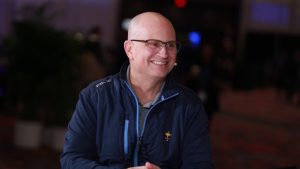
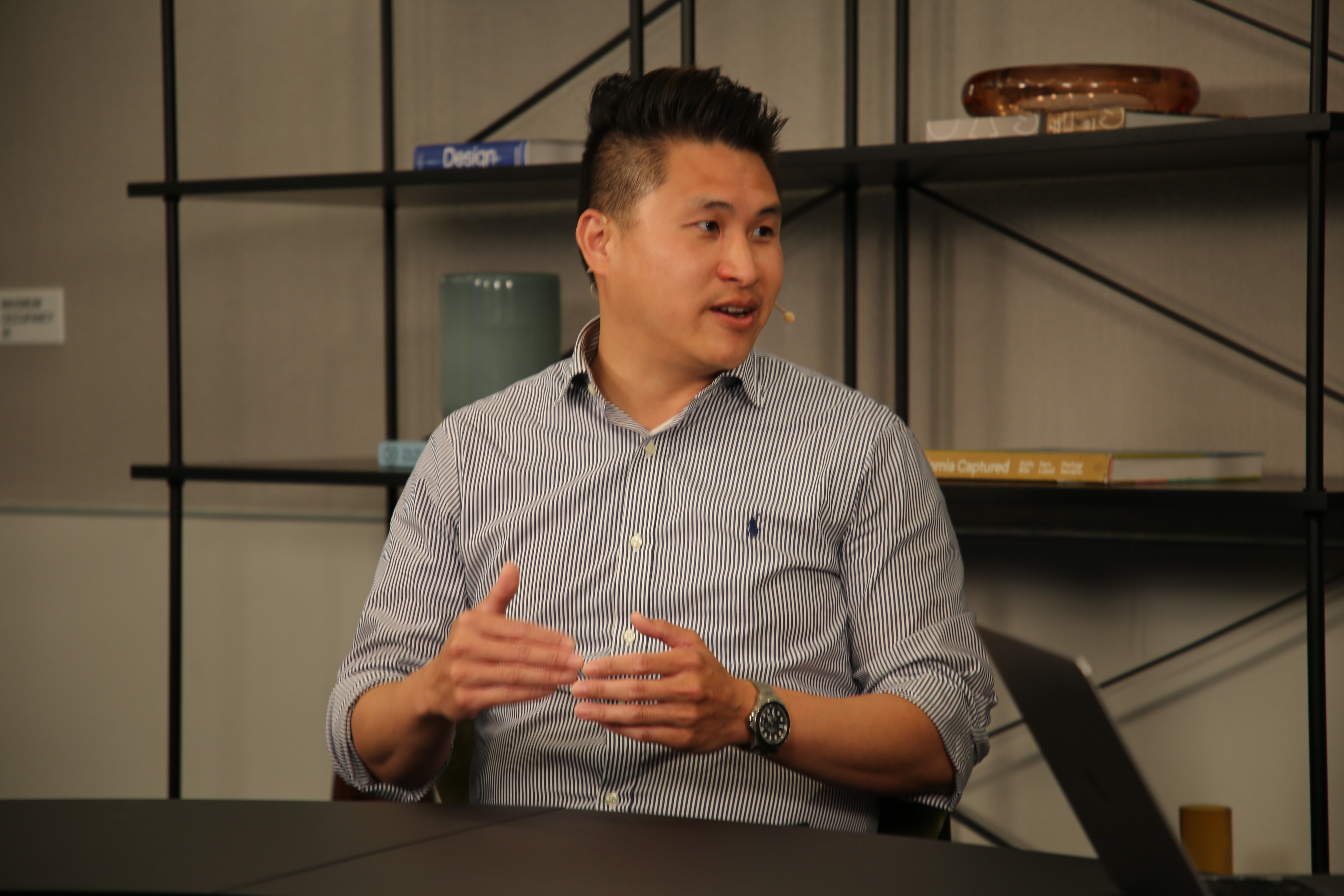
That shift is playing out at scale in pharmaceutical anti-counterfeiting work, where fraud detection is a common use case for graph-powered systems, according to Thomas Luu (pictured), director of global product security at Gilead Sciences Inc. Luu’s team investigates counterfeit drugs and fraud across Gilead’s global commercial business, work that required converting relational data into graph form to keep pace with increasingly sophisticated schemes.
“With the implementation of graph neural networks with Neo4j, we were able to really surface these hidden networks and enable us to analyze our data to a level and to a scale that was not possible before because of human limitations,” Luu said. “Fraud doesn’t happen with just one transaction. It happens across a lot of entities, and a lot of these entities are hidden.”
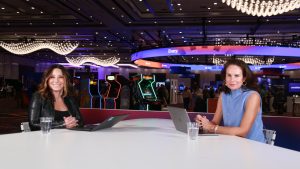
Luu spoke with theCUBE’s John Furrier at the Neo4j GraphTalk event, during an exclusive broadcast on theCUBE, SiliconANGLE Media’s livestreaming studio. They discussed how graph neural networks and knowledge graphs are transforming fraud investigation in the pharmaceutical industry. (* Disclosure below.)
Before adopting graph technology, Luu’s team relied on manual comparison across disparate, nuanced data sets — a process that depended heavily on individual analyst expertise — and struggled to scale. The team now runs a three-layer detection model: rules-based logic for known patterns, traditional machine learning for statistical anomalies and graph neural networks for uncovering relationship-based schemes that neither of the first two layers can surface, Luu noted.
“We don’t want to just rely on one technique,” Luu said. “Rules are great, ML is great, but when you combine them with GNNs and the graph layer, that’s when you start seeing things you never could before.”
Cleaning and unifying that data set the stage for automation, letting the team apply graph neural networks and graph machine learning once the underlying data was trustworthy. The payoff extends beyond raw detection speed — clustering algorithms built into the graph automatically group a main fraud actor with lower-volume auxiliary players whose signals would otherwise stay buried in aggregate data. That capability also makes it easier to explain findings to investigators without technical backgrounds, since relationships between nodes are visually intuitive, Luu noted.
“I always said the best fraudsters are the ones hiding in the averages, and they’re hiding amongst peers and they’re concealing their activity,” Luu said. “The graph relationship — it tells you exactly what it is. It’s very intuitive when you look at a relationship graph or a knowledge graph.”
Here’s the complete video interview, part of SiliconANGLE’s and theCUBE’s coverage of the Neo4j GraphTalk event:
(* Disclosure: TheCUBE is a paid media partner for the Neo4j GraphTalk event. Neither Neo4j, the sponsor of theCUBE’s event coverage, nor other sponsors have editorial control over content on theCUBE or SiliconANGLE.)
Support our mission to keep content open and free by engaging with theCUBE community. Join theCUBE’s Alumni Trust Network, where technology leaders connect, share intelligence and create opportunities.
Founded by tech visionaries John Furrier and Dave Vellante, SiliconANGLE Media has built a dynamic ecosystem of industry-leading digital media brands that reach 15+ million elite tech professionals. Our new proprietary theCUBE AI Video Cloud is breaking ground in audience interaction, leveraging theCUBEai.com neural network to help technology companies make data-driven decisions and stay at the forefront of industry conversations.