 BIG DATA
BIG DATA
BIG DATA






BIG DATA

Connected data gives artificial intelligence agents the context required to handle critical business work.
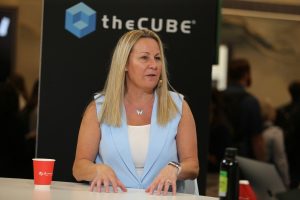
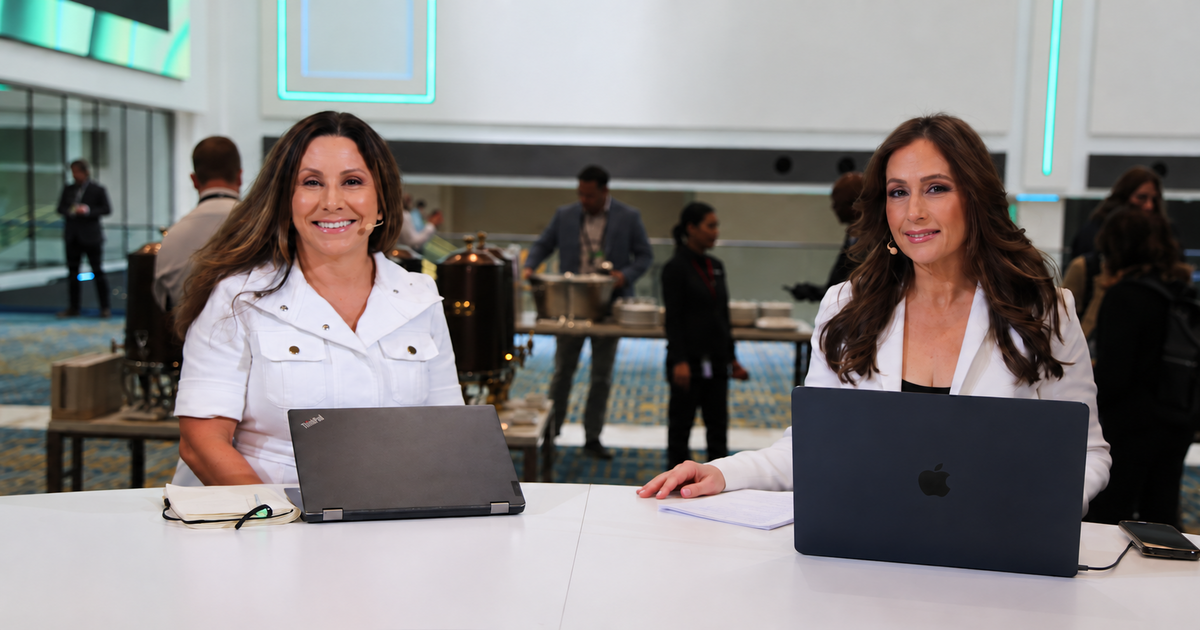
Enterprises are beginning to assign AI more consequential tasks, but fragmented records and undocumented human knowledge limit what those systems can do reliably. Enterprise software company Workiva Inc. is positioning its platform as a connective layer across business systems while expanding beyond financial reporting into risk, compliance and sustainability. That opportunity depends on giving AI enough context to produce defensible results, according to Krista Case (pictured, left), principle analyst at theCUBE Research.
“This morning’s keynote was a little bit more technically oriented, and we saw a demo of the product,” Case said. “We heard from Workiva’s Chief Product Officer, Deepak Bharadwaj, who is going to be on theCUBE this afternoon. When we think about trust, I think he really talked through some of what that means in terms of the Workiva product and what customers really should be looking for.”
Case spoke with theCUBE host Alison Kosik (right) at Workiva’s Amplify event, during an exclusive broadcast on theCUBE, SiliconANGLE Media’s livestreaming studio. They discussed why connected data and business context are essential for trustworthy AI agents. (* Disclosure below.)
Generative AI produces probabilistic answers, yet regulated operations demand precise and repeatable outcomes. A filing or compliance decision cannot simply appear convincing. Organizations need to verify its source, understand how it was created and defend the result to auditors or regulators, Case explained.
“How do we think about building that trust when the answer, the work product can’t just look or sound right?” she asked. “It needs to be very trusted. Part of that is making sure that it’s very traceable and defensible.”
Achieving that standard requires more than improving the model. Information may be scattered across enterprise resource planning and customer relationship management systems, spreadsheets or employees’ institutional knowledge. Connecting those sources gives AI a fuller picture of the business conditions surrounding each task, Case pointed out.
“What I’m looking at as Workiva’s bigger opportunity is creating that context and being that connective tissue across those disparate platforms and bringing in that more tribal knowledge to be able to make sure that as we are starting to ask AI to actually execute functions, that it can be trusted because it does increasingly have that context behind it,” she said. “They are historically very strong in things like compliance and reporting and very regulated and audited workflows that are very regulated. They are beginning to make some steps into areas like sustainability.”
Context also determines whether a business figure has any practical meaning. A number drawn from a source system cannot guide action without information about what it represents, how it is changing and who owns it, Case emphasized. Connected data turns an isolated figure into an accountable business record.
“Like we were talking about earlier, there might be a CRM and ERP system that has different pieces of information, but we need to understand the context behind it,” she said. “We need to go beyond just the number. We need to understand its context and who’s responsible for it at the end of the day.”
Trust becomes harder as AI agents move beyond analysis and begin completing multistep processes such as preparing regulatory filings. Companies must validate the source data, but they also need visibility into the agent’s decisions. Industry rules, historical records and company-specific conditions all shape whether an action is appropriate, Case noted.
“First, we need to make sure that we can trust the underlying data, the raw data that we’re actually pulling from these systems,” she said. “We also need to make sure that we are trusting the decision-making capabilities of an AI agent … we need to make sure that if we are using AI, that it has that understanding of our industry.”
Here’s the complete video analysis, part of SiliconANGLE’s and theCUBE’s coverage of Workiva’s Amplify event:
(* Disclosure: TheCUBE is a paid media partner for Workiva’s Amplify event. Sponsors of theCUBE’s event coverage do not have editorial control over content on theCUBE or SiliconANGLE.)
Support our mission to keep content open and free by engaging with theCUBE community. Join theCUBE’s Alumni Trust Network, where technology leaders connect, share intelligence and create opportunities.
Founded by tech visionaries John Furrier and Dave Vellante, SiliconANGLE Media has built a dynamic ecosystem of industry-leading digital media brands that reach 15+ million elite tech professionals. Our new proprietary theCUBE AI Video Cloud is breaking ground in audience interaction, leveraging theCUBEai.com neural network to help technology companies make data-driven decisions and stay at the forefront of industry conversations.